A car cannot remain in perfect condition for many years. Daily driving, road accidents, harsh weather, and mechanical wear slowly reduce the condition of a vehicle. Many car owners in Sydney face a situation where their vehicle becomes damaged and no longer works the way it used to. When this happens, repair work is often the first thought. Yet repairs can require a large amount of money and time.
Mechanical faults such as engine failure, transmission damage, or electrical issues may require several parts to be replaced. Body damage from accidents may also require panel replacement and repainting. In many cases, the repair cost becomes higher than the actual market worth of the vehicle. Because of this, many owners start looking for other ways to sell the car without investing more money into it. Damaged vehicle removal services make this possible. These services purchase vehicles in their current condition and collect them directly from the owner.
Why Repairing a Damaged Car Can Be Costly
Repairing a damaged vehicle can quickly become expensive because modern cars contain many complex systems. Engines now rely on electronic control units, sensors, fuel injection systems, and advanced cooling systems. If one component fails, it can affect other parts as well. Mechanics often need time to diagnose the exact problem before repair work begins.
Body damage also raises repair expenses. When a car is involved in an accident, several body panels may require replacement. After replacement, paint matching and finishing work must be completed so that the new panels match the original colour of the vehicle. This process requires specialised tools and skilled labour.
The Role of Damaged Car Removal in Sydney
Sydney has a very large number of vehicles on the road. Over time, many of these vehicles reach the end of their driving life due to accidents, mechanical problems, or age. Automotive recycling yards handle a large portion of these vehicles every year. Many owners begin searching for cash for damaged cars Sydney when their vehicle is no longer suitable for daily use. These services help vehicle owners move cars that are no longer suitable for road use and direct them to dismantling yards where parts and materials can be recovered. Recovered components often return to the automotive market as used parts, while metal materials are sent to recycling facilities. This cycle allows old vehicles to continue serving a purpose even after they stop operating..
How Damaged Car Removal Services Work
Car removal services focus on vehicles that are no longer suitable for normal road use. These vehicles may have accident damage, engine failure, severe rust, missing parts, or other mechanical faults. Instead of evaluating the car as a roadworthy vehicle, buyers examine the materials and parts inside it.
Vehicles contain large amounts of metal such as steel and aluminium. These metals can be recycled and reused in manufacturing. Even when the vehicle cannot run, the metal structure still holds recycling importance.
Because of this method, the vehicle does not need to be repaired before being sold.
Selling a Damaged Vehicle Without Repairs
Selling a damaged vehicle through traditional methods often requires preparation. Owners may need to fix visible faults, clean the vehicle, and place advertisements. Potential buyers then inspect the car and negotiate prices. This process can take several weeks.
Car removal services handle the process in a different way. The owner usually shares basic details about the vehicle. These details may include the make, model, year, and type of damage. Buyers then assess the vehicle based on the information given.
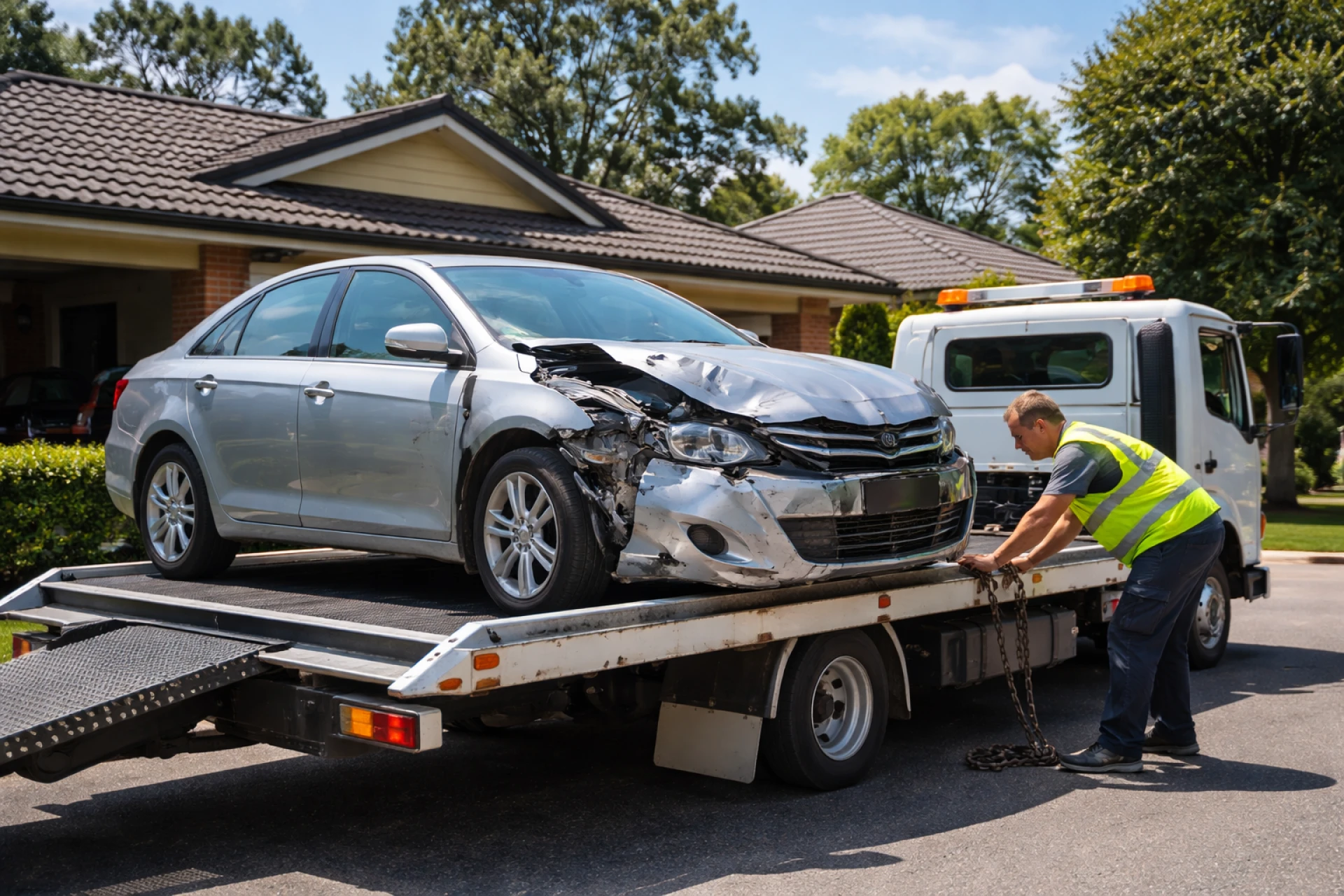
Once the owner agrees to sell the vehicle, a tow truck is arranged to collect it from the property. The vehicle is then transported to a dismantling yard or recycling facility. This approach removes the need for repair work and avoids the long search for private buyers.
Check to know more: https://cashmyscrapcar.com.au/
Environmental Importance of Vehicle Recycling
Vehicle recycling plays an important role in reducing waste. Cars contain many materials that can be reused in different industries. Steel is one of the most recycled metals in the world. Recycling steel requires far less energy than producing new steel from raw materials.
Aluminium parts from vehicles can also be recycled and reused in manufacturing. Other materials such as plastics, rubber, and glass can be processed after proper separation.
Through this system, even vehicles that can no longer operate still contribute useful materials to the recycling industry.
Types of Vehicles Usually Accepted
Car removal services usually accept a wide range of vehicles regardless of their condition. Accident damaged cars are commonly sold through this method. Vehicles that have suffered engine failure or gearbox problems are also frequently collected.
Some owners sell vehicles that have been affected by floods or severe rust. Older cars that fail registration inspections also become candidates for removal. Vans, utes, and small commercial vehicles are also accepted in many cases.
Why Many Vehicle Owners Choose This Option
Several factors lead vehicle owners to sell damaged cars without repair work. Repair expenses are often the main reason. A large repair bill may not make financial sense for an ageing vehicle.
Time also plays a role. Finding a buyer for a damaged car through private listings can take a long period. Potential buyers often request inspections and price negotiations.
Space is another factor. A damaged car parked in a driveway or garage may remain unused for months. Owners may wish to clear that space for another vehicle or other purposes.
Preparing the Vehicle Before Collection
Repair work is not required before a damaged vehicle is collected. Still, a few preparation steps can make the process smoother. Owners should remove personal belongings from the vehicle. Items are often left in the glove box, boot, or seat pockets.
The vehicle should also be placed in a location where a tow truck can reach it without difficulty. Clearing space around the vehicle helps the loading process take place safely.
These small steps help the vehicle removal process proceed without delays.
Conclusion
A damaged vehicle can create a difficult decision for many car owners. Repair work may require large spending, and selling the vehicle through traditional methods may take time and effort.
Car removal services offer another option by purchasing vehicles in their current condition. These buyers focus on recyclable materials and reusable components rather than road performance. The vehicles are then dismantled, and the recovered materials return to industrial use.
Through this process, damaged vehicles can be removed from private properties while still contributing to recycling and parts supply within Australia.