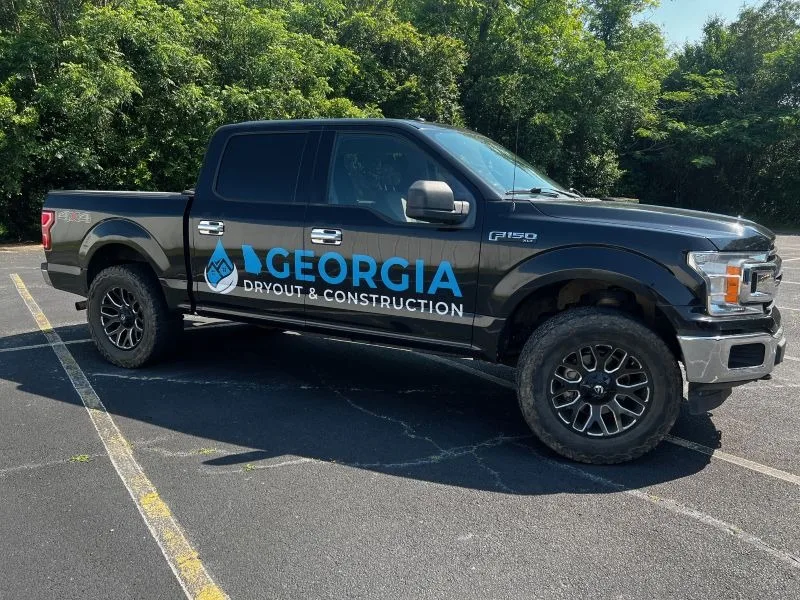
In an increasingly saturated digital landscape, businesses are facing rising costs and declining engagement across traditional online channels. As ad fatigue grows and algorithms become less predictable, many companies are revisiting a more tangible, consistent form of marketing: custom vehicle wraps.
Far from being a niche branding tactic, vehicle wraps have evolved into a measurable, cost-efficient advertising strategy—particularly for businesses operating in defined geographic areas. Understanding how they work, and how to execute them effectively, can help organizations unlock a steady stream of impressions without recurring ad spend.
Why Vehicle Wraps Still Work in 2026
At their core, vehicle wraps transform company cars, vans, and trucks into mobile billboards. But unlike static signage, they move through high-traffic zones, residential neighborhoods, and commercial districts throughout the day.
Industry data consistently shows that vehicle wraps generate thousands of daily impressions per vehicle, depending on location and usage patterns. More importantly, these impressions are passive and unavoidable—drivers and pedestrians encounter them naturally, without needing to click, scroll, or opt in.
From a cost perspective, this creates a significant advantage. While digital campaigns require continuous investment, a professionally installed wrap is a one-time cost that can last several years with proper maintenance. This makes the cost per impression among the lowest across all advertising formats.
Designing for Visibility, Not Just Aesthetics
One of the most common mistakes businesses make is treating vehicle wraps like large-format brochures. In reality, effective wrap design prioritizes clarity and instant recognition over dense information.
A well-designed wrap typically includes:
- A clear brand identity (logo and colors)
- A concise message or service description
- High-contrast visuals for readability at a distance
- Contact details that are easy to remember (not necessarily everything at once)
The key constraint is time. Most viewers will only see a wrapped vehicle for a few seconds, often while in motion. This makes simplicity a performance factor, not just a design preference.
Strategic Placement and Fleet Consistency
For businesses with multiple vehicles, consistency across the fleet amplifies impact. When the same design appears repeatedly in a local area, it reinforces brand recall and builds familiarity over time.
Even for smaller operations with one or two vehicles, strategic usage matters. Parking in visible areas, driving through target neighborhoods, and aligning routes with customer locations can all increase exposure.
This is where vehicle wraps differ from traditional outdoor advertising. Instead of paying for premium placement, businesses control where and when their brand appears.
Durability and Long-Term Value
Modern vehicle wraps are engineered for durability, with materials designed to withstand weather, UV exposure, and daily wear. When installed correctly, they also protect the underlying paint, which can preserve vehicle resale value.
From an operational standpoint, this dual function—advertising and protection—adds another layer of return on investment. Businesses are not just promoting their services; they are maintaining an asset.
However, longevity depends on proper installation and material quality. Poorly executed wraps can fade, peel, or bubble, which undermines brand perception. This makes working with experienced providers an important consideration.
Integrating Wraps into a Broader Marketing Strategy
While vehicle wraps are powerful on their own, their effectiveness increases when integrated with other channels. For example:
- A memorable URL on the wrap can drive direct traffic
- Consistent branding across signage, print materials, and digital platforms reinforces recognition
- Local campaigns can align messaging across vehicles and physical locations
This is where businesses often connect their wrap strategy with broader branding efforts, such as storefront signage or interior displays. Companies specializing in visual branding—like those offering both signage and vehicle wrap solutions—can help maintain consistency across these touchpoints.
Measuring Impact Without Clicks
One challenge with vehicle wraps is attribution. Unlike digital ads, they don’t provide immediate analytics. However, businesses can still gauge effectiveness through indirect indicators:
- Increases in direct traffic or branded search queries
- Customers mentioning they “saw your vehicle”
- Growth in inquiries within specific service areas
Over time, these signals help build a clear picture of how mobile advertising contributes to overall visibility.
A Practical Takeaway
Custom vehicle wraps are not a replacement for digital marketing—but they are a strong complement, especially for businesses that rely on local awareness. They offer a rare combination of visibility, durability, and cost efficiency that few other formats can match.
For organizations looking to strengthen their presence in a specific region, investing in high-quality wraps—supported by cohesive branding across signage and other physical assets—can create a consistent, always-on marketing channel.
As advertising continues to fragment across platforms, strategies that combine physical and digital visibility are becoming increasingly valuable. Vehicle wraps, when executed thoughtfully, fit squarely into that hybrid approach.