Education is not only about acquiring knowledge from textbooks. It is also about learning to understand people, appreciate differences, and see the world from more than one point of view. In a diverse and interconnected world, students benefit from opportunities to explore different cultures, traditions, languages, and ways of life. Cultural exchange activities can make these experiences meaningful by encouraging children to interact, share ideas, and learn from perspectives beyond their own.
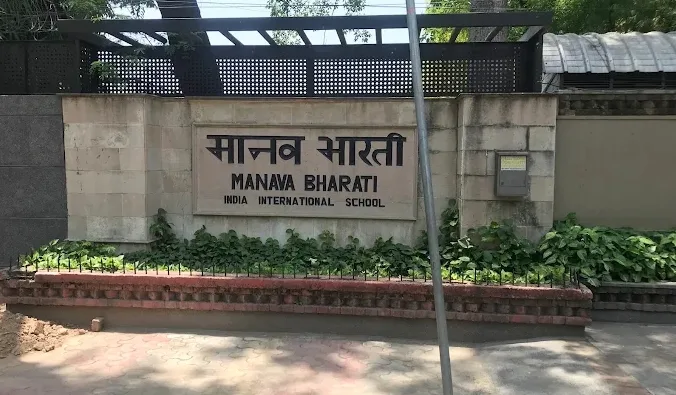
For parents looking for a school near Panchsheel Park, it is worth considering how a school encourages cultural awareness alongside academic development. Activities that introduce students to different communities and traditions can help them become more open-minded, respectful, and confident in their interactions with others.
What Are Cultural Exchange Activities?
Cultural exchange activities give students opportunities to learn about the customs, values, languages, traditions and everyday experiences of people from different backgrounds. These activities may take place within the school, through collaborative projects, cultural celebrations, language activities or interactions with students from other communities.
The aim is not simply to memorise facts about different countries or traditions. It is to encourage students to understand why people may have different customs, beliefs, experiences and ways of expressing themselves.
For example, students might explore how festivals are celebrated in different parts of the world, compare traditional forms of art or music, learn greetings in different languages, or discuss how families and communities preserve their cultural heritage.
Such activities help children recognise both the differences and the common experiences that connect people. They learn that cultural diversity offers opportunities to discover new ideas and develop a broader understanding of the world.
Learning to See Different Perspectives
Children naturally begin by understanding the world through their own experiences. Cultural exchange activities introduce them to other viewpoints and help them recognise that their own experiences are not the only way to understand a situation.
For instance, students exploring food traditions may discover how climate, geography, history and local ingredients influence what people eat. Learning about celebrations in different communities can help them understand the meanings behind particular customs. Discussions about family traditions may reveal that people express similar values, such as gratitude, togetherness, and respect, in different ways.
These experiences encourage students to ask questions rather than make assumptions. They begin to understand that a practice that seems unfamiliar may have a meaningful history or significance for the people who follow it.
Developing this awareness is an important step towards empathy. Students become better equipped to listen carefully, consider different viewpoints and respond thoughtfully when they encounter ideas that differ from their own.
Building Respect and Empathy Through Shared Experiences
Cultural understanding develops most effectively when students have opportunities to participate, communicate, and reflect. Simply reading about another culture can provide useful information, but shared activities can help make learning more personal.
Schools can introduce cultural exchange through activities such as:
- Cultural presentations: Students research and present the traditions, art, history, or daily life of a community.
- Language activities: Children learn basic greetings, expressions, and words from different languages.
- Music and dance: Students explore how rhythm, movement and performance reflect cultural traditions.
- Storytelling and literature: Reading stories from different backgrounds introduces students to diverse characters, experiences and values.
- Collaborative projects: Groups work together to explore a cultural theme, compare traditions or create a shared presentation.
- Festival and heritage activities: Students learn about the meaning and significance of different celebrations while respecting their cultural context.
When students share these experiences, they gain opportunities to practise listening, cooperation and respectful communication. They also learn that understanding another person does not require them to share every belief or tradition. It requires a willingness to learn and treat others with consideration.
The Role of International Exposure in Education
A school with international exposure can help students develop a wider understanding of the world by creating opportunities to explore global perspectives and cultural diversity. International exposure does not necessarily depend on travelling abroad. It can also be developed through classroom discussions, global literature, language learning, cultural projects, and interactions with people from different backgrounds.
For example, a classroom project on environmental protection could explore how communities in different countries approach sustainability. A study of literature might introduce students to writers whose experiences differ from their own. Discussions about inventions, historical events, or social traditions can help students understand how geography, culture, and history shape different perspectives.
These experiences encourage students to look beyond familiar surroundings and consider how local choices connect with wider global issues.
Parents evaluating a school can ask how cultural learning is incorporated into classroom teaching and whether students have regular opportunities to engage with diverse perspectives. The quality of these experiences matters more than the label attached to a programme.
Developing Communication and Collaboration Skills
Cultural exchange activities can also strengthen practical skills that students use throughout their education and later in life.
When students work with classmates who have different interests, experiences or viewpoints, they need to explain their ideas clearly, listen to others and find ways to work together. They may need to agree on a project plan, divide responsibilities or resolve differences of opinion.
These situations help students practise patience, flexibility and constructive communication. They learn that people can approach the same task in different ways and that listening to alternative ideas can improve the final result.
Such experiences are particularly valuable in group discussions and collaborative projects. Students can learn to express disagreement politely, ask thoughtful questions and consider feedback without viewing every difference as a conflict.
These skills support classroom learning while helping children prepare for future academic, professional, and social environments where cooperation across different backgrounds is increasingly important.
Challenging Stereotypes and Encouraging Open-Mindedness
Children may develop assumptions about people and cultures from limited information, media portrayals, or conversations around them. Cultural exchange activities can help them examine these assumptions and develop a more balanced understanding.
For example, learning about a country's literature, scientific contributions, art and everyday life can show students that no culture can be understood through a single tradition or stereotype. Hearing different personal experiences can also help them recognise the diversity that exists within communities.
Teachers can support this learning by encouraging respectful questions and guiding discussions carefully. Students should understand that cultural differences are not reasons to rank people or make generalisations about entire communities.
A positive learning environment makes it possible for children to acknowledge what they do not know, reconsider an assumption and approach unfamiliar experiences with curiosity rather than judgement.
How Teachers Can Make Cultural Learning Meaningful
Teachers play an important role in ensuring that cultural exchange activities are thoughtful, inclusive and educational. Activities should go beyond costumes, food or festival displays to explore the stories, history and context behind cultural practices.
Teachers can encourage students to research information from reliable sources, compare perspectives and distinguish between personal experiences and broad generalisations. They can also invite students to share family traditions voluntarily, while ensuring that no child feels expected to represent an entire culture or community.
Reflection is another important part of the process. After an activity, students can discuss what they learned, what surprised them, and whether their understanding of a particular topic changed.
These conversations help children move beyond participation towards deeper understanding. They also reinforce the importance of respectful dialogue and thoughtful engagement with unfamiliar ideas.
How Parents Can Encourage Cultural Awareness at Home
Parents can complement school activities by introducing cultural learning into everyday family life. Children do not need elaborate programmes to begin developing an interest in different perspectives.
Here are a few practical ways to encourage cultural awareness:
- Explore stories from different cultures. Read books by authors from diverse backgrounds and discuss the characters' experiences.
- Discover traditions together. Learn about the history and meaning of festivals, celebrations, and customs.
- Try new foods and music. Use these experiences as starting points for conversations about geography, history, and cultural identity.
- Encourage thoughtful questions. Help children approach unfamiliar practices with curiosity and respect.
- Discuss global events appropriately. Explain how people in different places may experience the same event in different ways.
- Model respectful behaviour. Show children how to listen without interrupting, disagree politely, and avoid unfair assumptions.
These small experiences can help children develop a lasting interest in the people and communities around them.
Conclusion
Cultural exchange activities help students understand that the world contains many perspectives, traditions and ways of life. Through shared projects, storytelling, language activities and meaningful discussions, children can develop empathy, improve communication and become more open to unfamiliar ideas.
For parents choosing a school near Panchsheel Park, cultural awareness is a valuable aspect to consider alongside academic learning and personal development. A school with international exposure can provide opportunities for students to explore global perspectives while learning to respect the experiences of others.
Ultimately, cultural exchange is about more than discovering how other people live. It is about learning to listen, question assumptions, and recognise the value of different viewpoints. By encouraging these habits from an early age, schools and families can help students grow into thoughtful, respectful and globally aware individuals.