
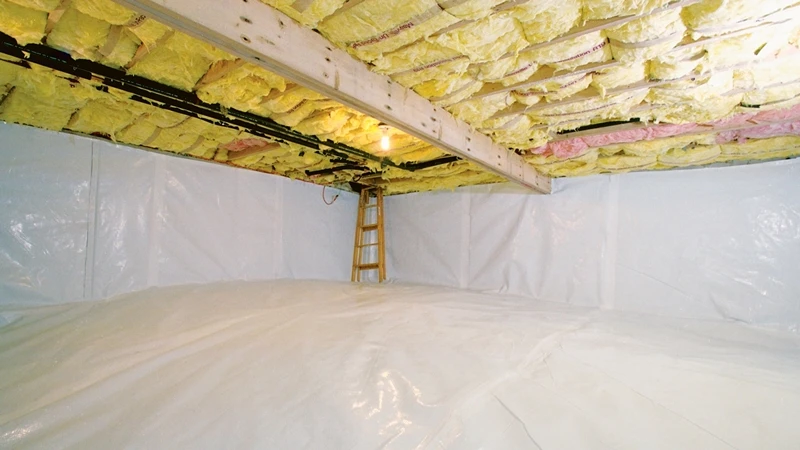
Crawl space spray foam insulation stops drafts by creating a permanent air seal that traditional materials simply cannot achieve. When technicians apply this liquid material, it expands into every crack, gap, and crevice along the rim joists and subfloor. This expansion blocks the entry points where cold outdoor air typically bypasses the home's thermal envelope and enters the living space.
Professional installers focus on sealing the perimeter of the Crawl space spray foam insulation to prevent air from the ground from entering the house. By forming a monolithic barrier, they eliminate the drafts that make floors feel cold to the touch during the winter months. This method is the standard for modern energy efficiency because it addresses both heat loss and air infiltration simultaneously.
Emma Robinson notes that many property owners overlook the crawl space when trying to fix a drafty house. Her years of field experience suggest that most air leaks originate in these low-visibility areas. Addressing the subfloor with high-performance foam provides a lasting solution that improves the building's overall structural health.
The Science of Air Infiltration in Subfloor Areas
Air moves through a building due to pressure differences, a process often called the stack effect. Warm air rises and escapes through the attic, while cold air is pulled in through the lowest points of the house. Crawl spaces are the primary source of this replacement air, bringing in dust and outdoor temperatures.
Managing the Stack Effect
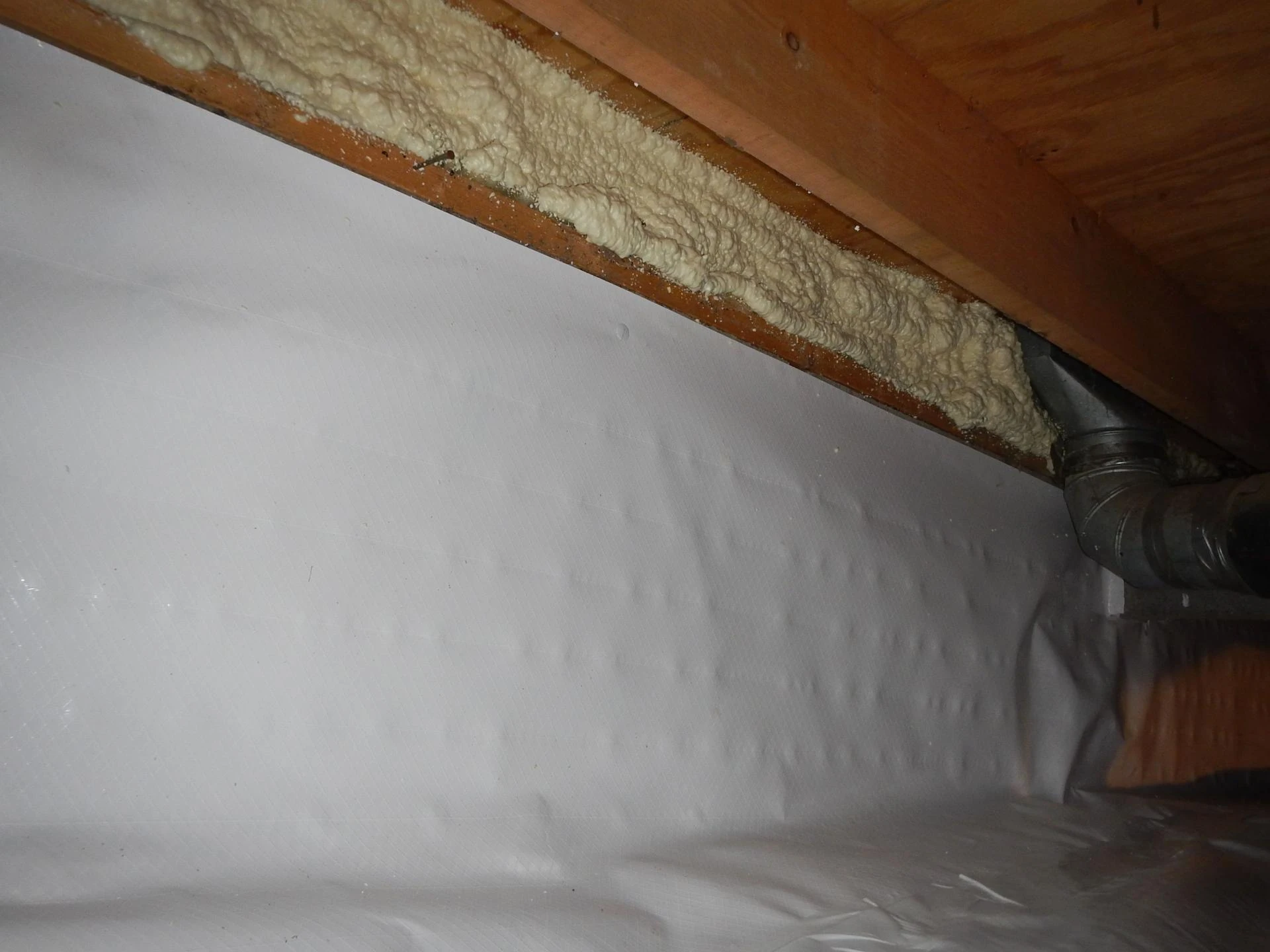
Stopping the upward flow of air requires a complete seal at the bottom of the structure. Spray foam acts as both an insulator and an air barrier, preventing the vacuum effect from drawing in cold drafts. This ensures that the air conditioned by the HVAC system stays inside the home longer.
Targeted Application on Rim Joists
The rim joist is the area where the home's wooden frame meets the concrete foundation, and it often contains numerous small gaps. Technicians prioritize this area because it is the most common entry point for unwanted air currents. Sealing these specific points provides the most immediate relief from floor-level drafts.
Homeowners can often spot the largest draft sources by turning off the crawl space lights on a sunny day. Any visible daylight indicates a major hole that needs to be sealed immediately with professional-grade foam. This simple check helps prioritize the areas that need the most attention during an upgrade.
Beyond stopping drafts, sealing the rim joist prevents pests from finding easy entry into the wall cavities. It also adds a small amount of structural rigidity to the floor assembly. This multi-layered protection is why many building experts recommend foam over fiberglass for these specific zones.
Performance Metrics and Material Comparisons
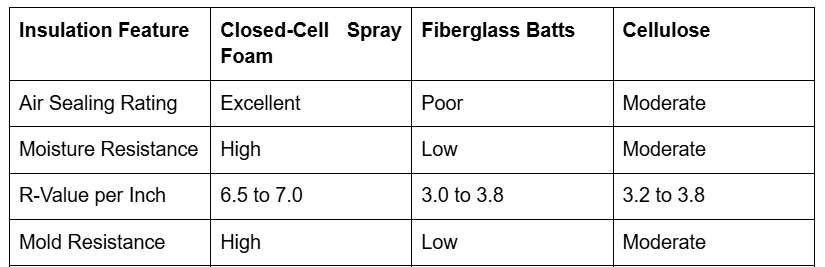
Choosing the right material for a crawl space depends on its ability to block air movement and resist moisture. While fiberglass is a common choice, it lacks the air-sealing properties necessary to stop high-speed drafts. The following data highlights why foam remains the preferred choice for professional contractors.
Why Spray Foam Outperforms Traditional Batts
Traditional insulation often sags or pulls away from the floor joists over time, creating air channels. Spray foam stays permanently adhered to the substrate, ensuring the air seal remains intact for the life of the building. This durability is necessary for long-term draft prevention in climates with high humidity or temperature swings.
Addressing Humidity and Moisture
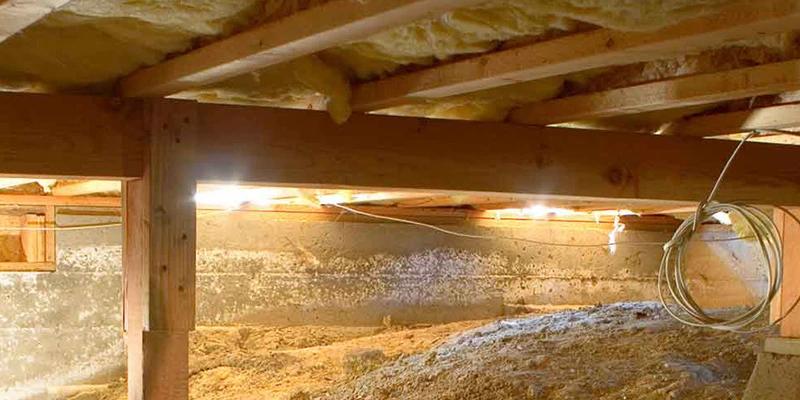
In regions like the Central Valley, moisture in crawl spaces can cause a cold, drafty feeling. Closed-cell foam provides a vapor barrier that keeps ground moisture from rising through the floorboards. This results in a drier, more comfortable indoor environment for the occupants.
For the best results in homes with raised foundations, applying foam directly to the underside of the subfloor is the most effective strategy. This creates a thermal break that keeps the wood warm and prevents the cold-floor syndrome common in older architecture. It also helps dampen noise from footsteps.
Practical Advantages for Home Comfort and Air Quality
A well-sealed crawl space does more than just stop the wind from blowing through the floorboards. It changes the entire dynamic of the home's air quality and temperature distribution. By blocking the entry of unconditioned air, the system allows the home to maintain a steady climate with less effort.
- Consistent floor temperatures make the living space more comfortable for bare feet and pets.
- Reduced dust and allergen entry improves the air quality for residents with respiratory sensitivities.
- Lower humidity levels in the subfloor area prevent the musty smells often associated with older homes.
- Reduced noise transmission from the outdoors creates a quieter and more peaceful living environment.
- Preventing thermal bridging ensures the floor frame does not become a conduit for heat loss.
Things to Consider Before Making a Decision
Before moving forward with an insulation project, property owners should evaluate the current state of their crawl space. Any existing plumbing leaks or structural rot must be repaired before the foam is applied to ensure no issues are trapped behind the seal. It is also essential to consider the type of foam that best suits the specific foundation.
- Determine if the crawl space needs a full encapsulation or just a targeted air seal on the joists.
- Assess the accessibility of the area for technicians and their specialized equipment.
- Check for any gas-fired appliances in the crawl space that may require specific ventilation clearances.
- Evaluate the local climate to determine whether to choose open-cell or closed-cell foam.
Common Questions About Subfloor Drafts
Why is my floor still cold even though I have insulation?
Most floors remain cold because traditional fiberglass insulation does not stop air from moving through it. Even if the material is thick, cold air can still blow through the gaps between the batts and the wood. Spray foam solves this by blocking the air movement entirely.
Is crawl space spray foam safe for my family?
Once the material has fully cured, which usually takes about twenty-four hours, it is completely inert and safe. It does not off-gas or release fibers into the air like some older insulation products. Professional teams follow strict safety protocols to ensure the home is well-ventilated during the application process.
How much money can I save by sealing my crawl space?
While every home is different, sealing the crawl space can lead to significant savings on heating and cooling costs. Reducing air infiltration is often the most cost-effective way to improve a home's energy performance. Many residents see a noticeable drop in their monthly utility bills within the first season.
Will spray foam trap moisture and cause my floors to rot?
When installed correctly by professionals, closed-cell foam actually protects the wood from moisture. It prevents warm, humid air from condensing on the cold wood surfaces, which is the leading cause of rot. The key is ensuring the wood is dry before the application begins.
Does the foam attract pests like termites or mice?
Most spray foam products do not provide any food value to pests and are not attractive as nesting material. Because the foam seals the entry points that mice and insects use to get inside, it often reduces pest problems. Some foams even contain additives that further discourage nesting.
Final Considerations for a Draft Free Home
Eliminating drafts requires a comprehensive assessment of the home's foundation and air-sealing needs. Spray foam provides the most reliable way to turn a cold, drafty crawl space into a stable part of the home's thermal envelope. By investing in professional services, property owners can enjoy lasting comfort and improved air quality. Evaluating the specific needs of the structure and choosing the right material will ensure a successful project that pays off for many years.
Professional Insulation Guidance
Achieving a comfortable home in Fresno requires expertise in managing the unique local climate. Supreme Spray Foam – Fresno offers the skills and materials needed to permanently seal crawl spaces and stop drafts. Their team provides thorough inspections and precise applications to ensure every home reaches its peak energy efficiency. For more information or to request a service, they can be reached at (559) 545-0800 or via email at [email protected]. They are ready to help residents improve their property with high-performance insulation solutions.
Reviewer: Emma Robinson contributed her knowledge from 8 years of working in the spray foam industry. Her review helped shape this content, grounded in what contractors and homeowners actually value.