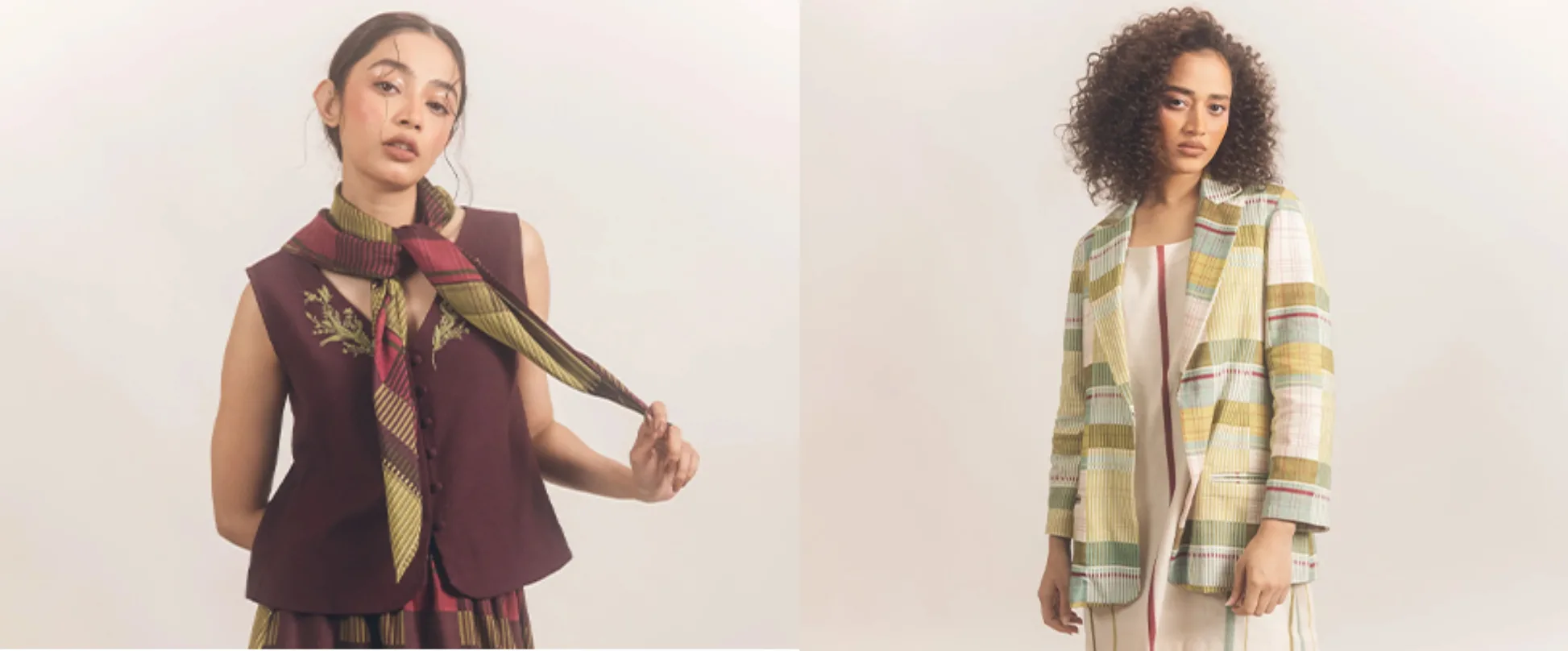
Fabriclore Pvt Ltd provides customized fabric sourcing for fashion businesses globally, and we see firsthand how textile demands shift. The UK fashion market currently faces a massive transition. Consumers want sustainable materials. Designers need reliable, high-quality textiles. Fast fashion continues to lose ground to durable, ethically produced clothing. At the center of this shift sits a familiar staple: cotton.
While synthetic fabrics dominated the late 20th century, the UK textile market is returning to natural fibers. Brands and consumers recognize the environmental cost of petroleum-based materials. Cotton offers a breathable, versatile, and biodegradable alternative. This blog outlines exactly how cotton shapes the current UK apparel industry and provides actionable strategies for designers and home sewists looking to source and use this essential material.
Why British Designers and Sewists Prefer Cotton
Designers and sewists across the UK consistently choose cotton over synthetic alternatives. The reasons are practical and heavily tied to garment performance.
- High Breathability: Cotton fibers allow air to circulate easily. This makes cotton garments highly comfortable for everyday wear, adjusting well to the UK's unpredictable weather patterns.
- Durability and Maintenance: High-quality cotton withstands frequent washing. It resists pilling and maintains its structural integrity over time.
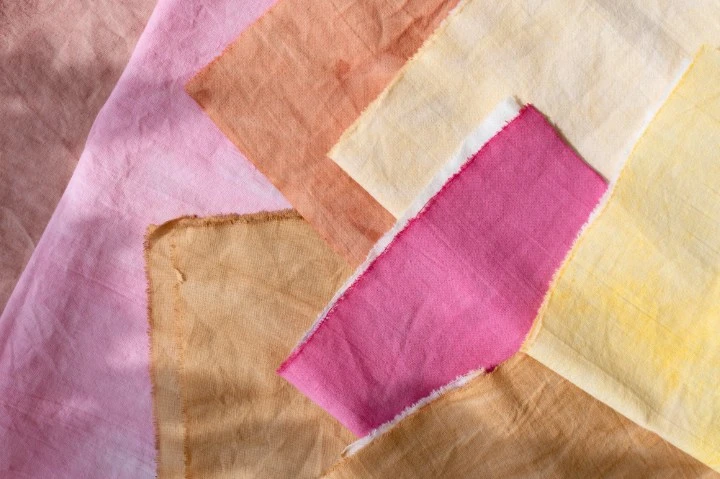
- Versatile Dyeing: Cotton absorbs dyes exceptionally well. Brands can achieve vibrant colors and sharp prints, ensuring their collections stand out in a crowded retail space.
- Skin-Friendly Properties: As an organic material, cotton rarely causes allergic reactions. This makes it the standard choice for childrenswear and close-to-skin garments like underwear and t-shirts.
The Benefits of Choosing Cotton Fabric by the Yard
Sourcing materials correctly defines the success of any fashion project. When you choose Cotton Fabric by the yard, you gain distinct advantages regarding cost, sustainability, and production control.
Buying Cotton Fabric by the yard allows you to order the exact amount of material you need. This eliminates excess inventory and heavily reduces textile waste. For independent British designers and sustainable fashion brands, minimizing waste is a core operational metric.
Additionally, purchasing by the yard offers better quality control. You can sample a small yardage to test shrinkage, colorfastness, and drape before committing to a massive bulk order. This lean approach to inventory management keeps overhead costs low. It empowers D2C brands to run small-batch collections and limited-edition drops, which align perfectly with current consumer buying habits.
How to Buy Fabric Online Without the Waste
Sourcing fabrics digitally streamlines your supply chain. However, you must know how to Buy Fabric Online effectively to avoid costly mistakes.
- Order Swatches First: Never buy bulk yardage without feeling the fabric. Reputable suppliers provide swatch books. Test the fabric for weight and drape.
- Check the GSM: Grams per square meter (GSM) tells you the fabric's weight. A 120 GSM cotton works for summer shirts, while a 300 GSM canvas suits jackets or bags.
- Review Certifications: Look for OEKO-TEX or GOTS certifications. These labels prove the cotton meets strict environmental and safety standards.
- Understand Minimum Order Quantities (MOQ): Many suppliers demand high MOQs. Look for tech-enabled platforms like Fabriclore that offer low MOQs to support smaller brands and independent creators.
Practical Tips for Working with High-Quality Cotton
Working with cotton requires specific techniques to yield professional results. Implement these practices to elevate your final garments.
Pre-Wash Your Yardage
Cotton shrinks. Always pre-wash and dry your fabric exactly how you plan to launder the finished garment. This prevents warped seams and altered fits after the customer buys the piece.
Use the Right Tools
Match your needle to your fabric weight. Use a standard universal needle (size 80/12) for medium-weight cotton. For heavy denim or canvas, switch to a specialized heavy-duty needle. Always use high-quality polyester or cotton thread to prevent seam breakage.
Finish Your Seams
Cotton frays easily along raw edges. Use a serger to finish seams, or opt for French seams on lighter-weight cottons. This improves the garment's lifespan and provides a clean, premium look on the inside.
Press As You Sew
Keep a hot iron nearby. Pressing your seams flat after every step creates crisp lines and ensures accurate pattern matching. A steam iron is highly effective on cotton fibers.
The Future of Cotton in the UK Apparel Industry
The UK apparel industry moves steadily toward a circular economy. Cotton plays a critical role in this future. Because cotton biodegrades, it fits seamlessly into end-of-life recycling programs.
We anticipate a sharp increase in the demand for organic and regenerative cotton. Brands must prove their supply chains are clean. Tech-enabled sourcing platforms will provide delivery transparency and origin tracking, allowing UK brands to verify their sustainability claims to consumers.
Textile innovation will also merge with cotton production. We will see more cotton blended with advanced natural fibers like Tencel and Ecovero to enhance drape and reduce water usage during production. For fashion businesses, securing a reliable, transparent supply of high-quality cotton is no longer just an operational task; it is a fundamental business strategy.