
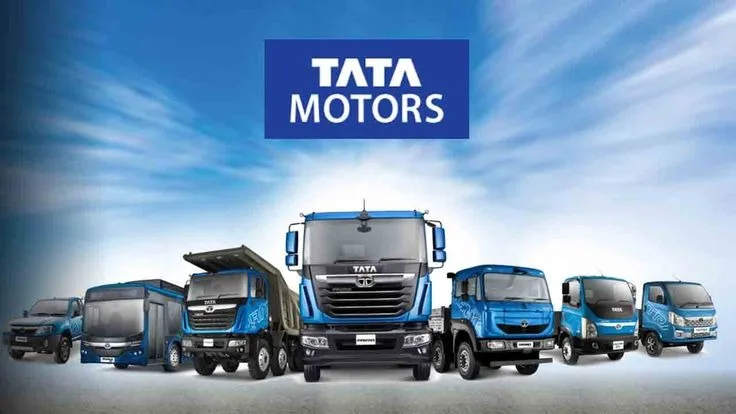
Kenya’s agriculture is busy and always changing. It gives a big chunk to the country’s GDP and many people work in it. For most businesses here, good transport is not just helpful. It’s something you really need if you want to keep going and grow.
Understanding what is agribusiness helps clarify the full scope of this sector. Agribusiness is more than just planting and picking crops. It covers everything from seeds and fertilisers to packaging and selling food. There are seed makers, dairy groups, food factories, and people who send goods abroad. All these parts need things to move smoothly from one place to another.
Transport in the supply chain
Getting crops from the farm to the market is not always simple in Kenya. Tomatoes, flowers, milk, and other things can go bad quickly if they don’t get there fast. Even a short delay can mean a lot of loss. This is why strong trucks matter. They carry things from faraway farms to city markets or factories. Most of the time, they do it without much fuss.
Connecting rural producers to wider markets
A lot of Kenya’s food comes from small farmers in places where roads are rough. Trucks that are tough and can handle different roads are a good fit here. Some smaller trucks can go on bumpy village roads and also drive in busy towns. This way, farmers can reach more buyers without always needing to hire someone else to move their goods.
Supporting inputs and farm equipment logistics
It’s not just about sending crops out. Farms also need things brought in, like seeds, fertilisers, and animal feed. These have to arrive on time so work can go on as planned. Sometimes, big machines and tools need to be moved too. Trucks with lots of space are really helpful for this.
It’s not just seeds and feed. Moving farm equipment is also needed. Things like planting machines, irrigation tools, and other big stuff have to get from one place to another. Trucks that can carry heavy loads and have big cargo space are really useful for this.
Enabling value addition and agro-processing
Kenya's government has placed strong emphasis on value addition across the agricultural value chain as part of its Bottom-Up Economic Transformation Agenda. Agro-processing facilities that convert raw produce into packaged goods require a steady flow of raw materials and a reliable method of distributing finished products. Commercial vehicles that can handle both inbound supply runs and outbound delivery routes give processors the operational flexibility they need.
Conclusion
Kenya’s farming is set to grow even more. More people want to buy, and the government is helping out. Good transport is still at the heart of it all. If a business gets strong trucks, it’s not just about moving things. It’s about staying ahead, saving money, and making sure things arrive on time. As supply chains get more complicated, trucks that save fuel and last longer become really important.