Commercial Insulation helps prevent mold growth by controlling moisture, limiting air leaks, and stabilizing indoor temperatures. Mold needs moisture and the right surface to grow. When insulation reduces condensation and blocks humid air from entering wall and ceiling cavities, it lowers the risk of mold inside commercial buildings.
In offices, warehouses, retail stores, and medical facilities, mold can damage materials and affect indoor air quality. This article explains how Commercial Insulation Services, skilled Commercial Insulation experts, and the right Commercial Insulation company help protect buildings from moisture-related problems.
Professionals with field experience understand that moisture control is just as important as temperature control. Studies show that nearly 85 percent of mold issues in commercial properties are linked to water intrusion or condensation. Proper insulation plays a direct role in reducing those risks.
Why Moisture Control Is Critical in Commercial Buildings
Moisture enters commercial buildings through roof leaks, wall cracks, plumbing issues, and humid outdoor air. Once inside, it can settle in wall cavities or above ceilings.
Commercial Insulation acts as a barrier. It slows down heat transfer and reduces the temperature differences that cause condensation. When warm air meets a cold surface, water droplets can form. Insulation limits this effect.
Large buildings often have complex HVAC systems. If air leaks through unsealed gaps, it carries moisture with it. Quality insulation reduces those leaks and supports balanced indoor conditions.
How Commercial Insulation Stops Mold Before It Starts
Mold grows when three things are present: moisture, a food source, and the right temperature. Insulation helps manage two of these factors.
Air Sealing Reduces Humid Air Entry
Air movement is one of the main causes of hidden moisture. When gaps exist around ducts, wiring, or framing, outside air can enter wall systems.
A trained Commercial Insulation contractor seals these areas during installation. By limiting airflow, they reduce the chance of condensation forming inside walls.
Sealing Rooflines and Wall Joints
Roof edges and wall connections are common problem spots. Skilled teams inspect and seal these areas carefully.
Property managers should request blower door testing in large facilities. This test identifies hidden air leaks that could allow moisture entry.
Temperature Control Prevents Condensation
Temperature swings create condensation. Insulation stabilizes indoor surface temperatures so they stay closer to room conditions.
This is especially important in climates with high humidity or strong seasonal changes. In southeastern regions, summer humidity can exceed 70 percent. Without proper insulation, cool interior surfaces attract moisture.
Moisture Resistant Materials Add Protection
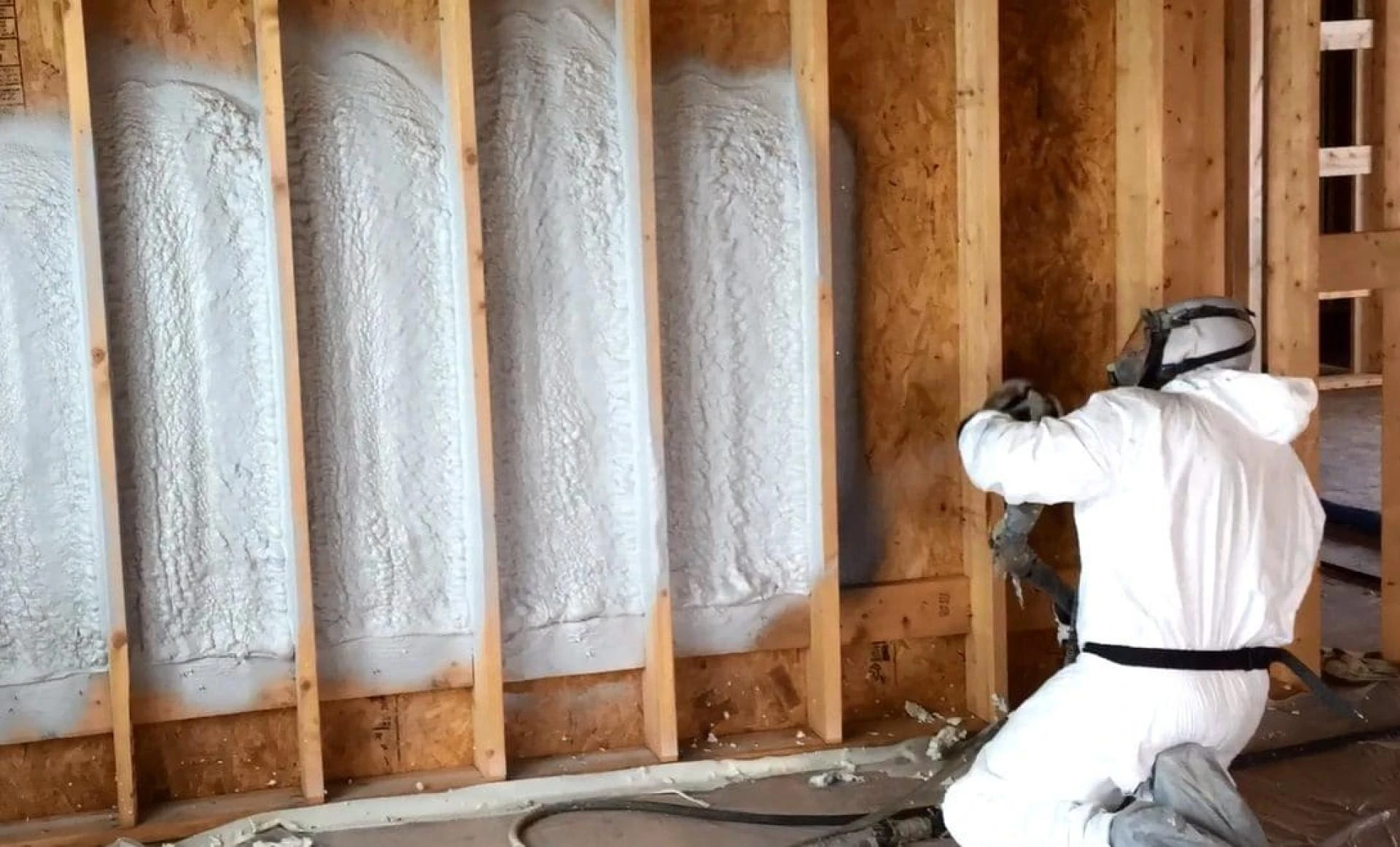
Some insulation types resist water better than others. Closed cell spray foam, for example, offers higher moisture resistance than fiberglass batts.
Experienced Commercial Insulation experts select materials based on building use and climate conditions.
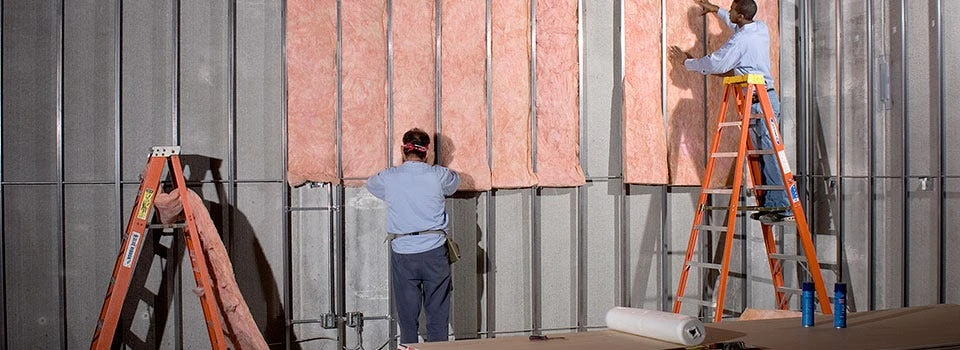
Comparing Insulation Types for Mold Prevention
Different materials offer varying levels of moisture control. Choosing the right type depends on building design and environmental exposure.
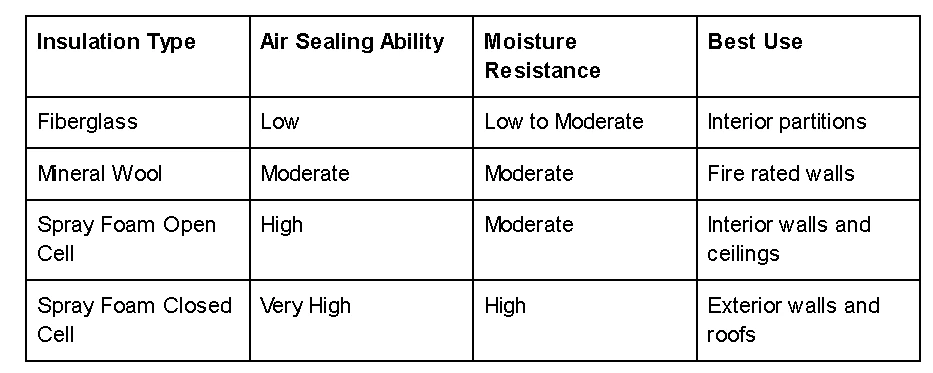
A knowledgeable Commercial Insulation company evaluates wall assemblies, vapor barriers, and ventilation before making a recommendation.
Key Areas Where Mold Risks Are Highest
Some building zones face higher moisture exposure. Insulation must address these areas with care.
Roof Systems
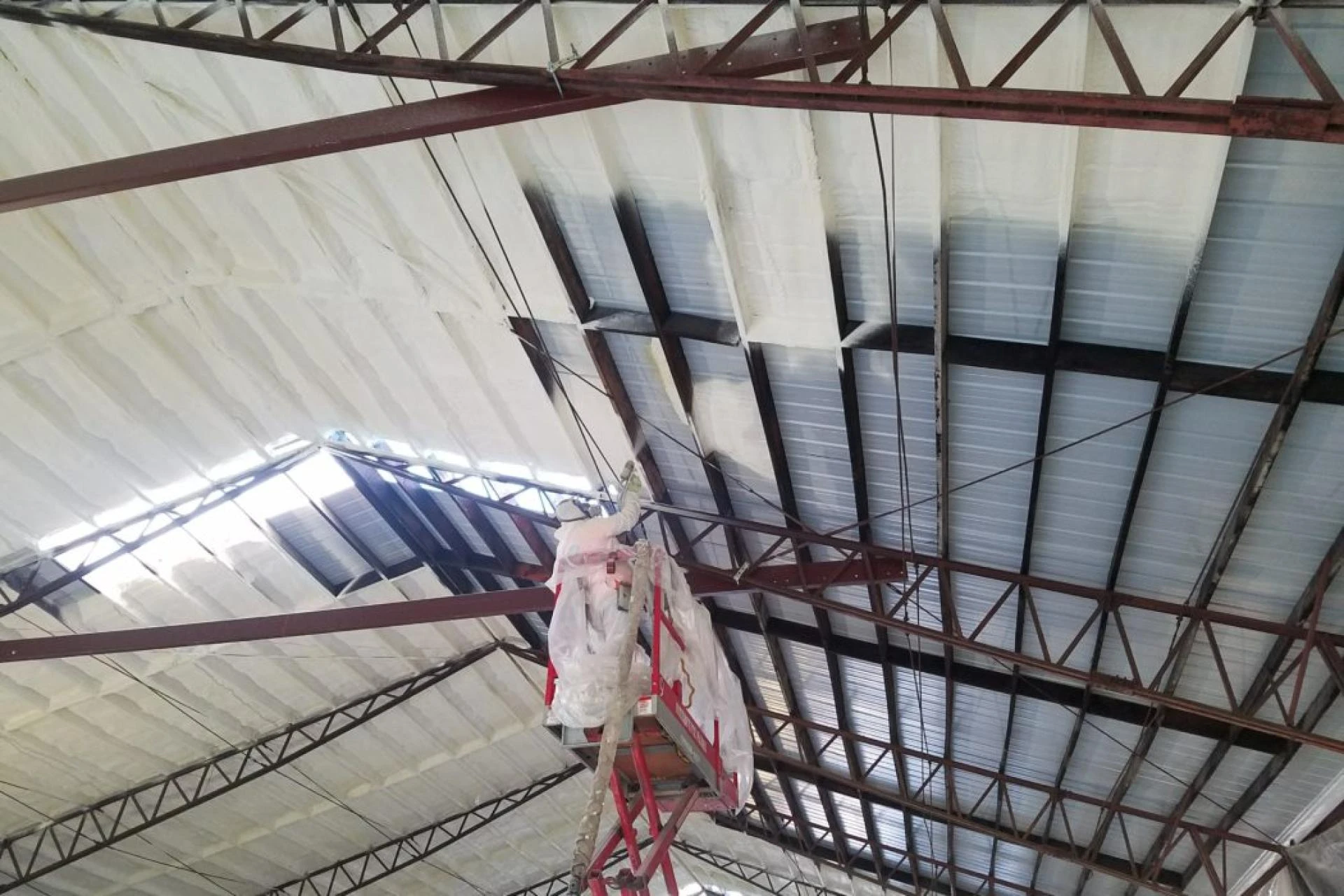
Flat commercial roofs often experience temperature extremes. Without proper insulation, condensation can form under the roof decking.
A qualified Commercial Insulation contractor installs continuous insulation layers to reduce thermal gaps.
Drainage and Vapor Barriers
Roof insulation must work with proper drainage and vapor control layers. Insulation alone cannot fix active leaks.
Routine roof inspections twice a year help catch small issues before they create hidden mold growth.
Exterior Walls
Walls exposed to rain and humidity require materials that resist water absorption.
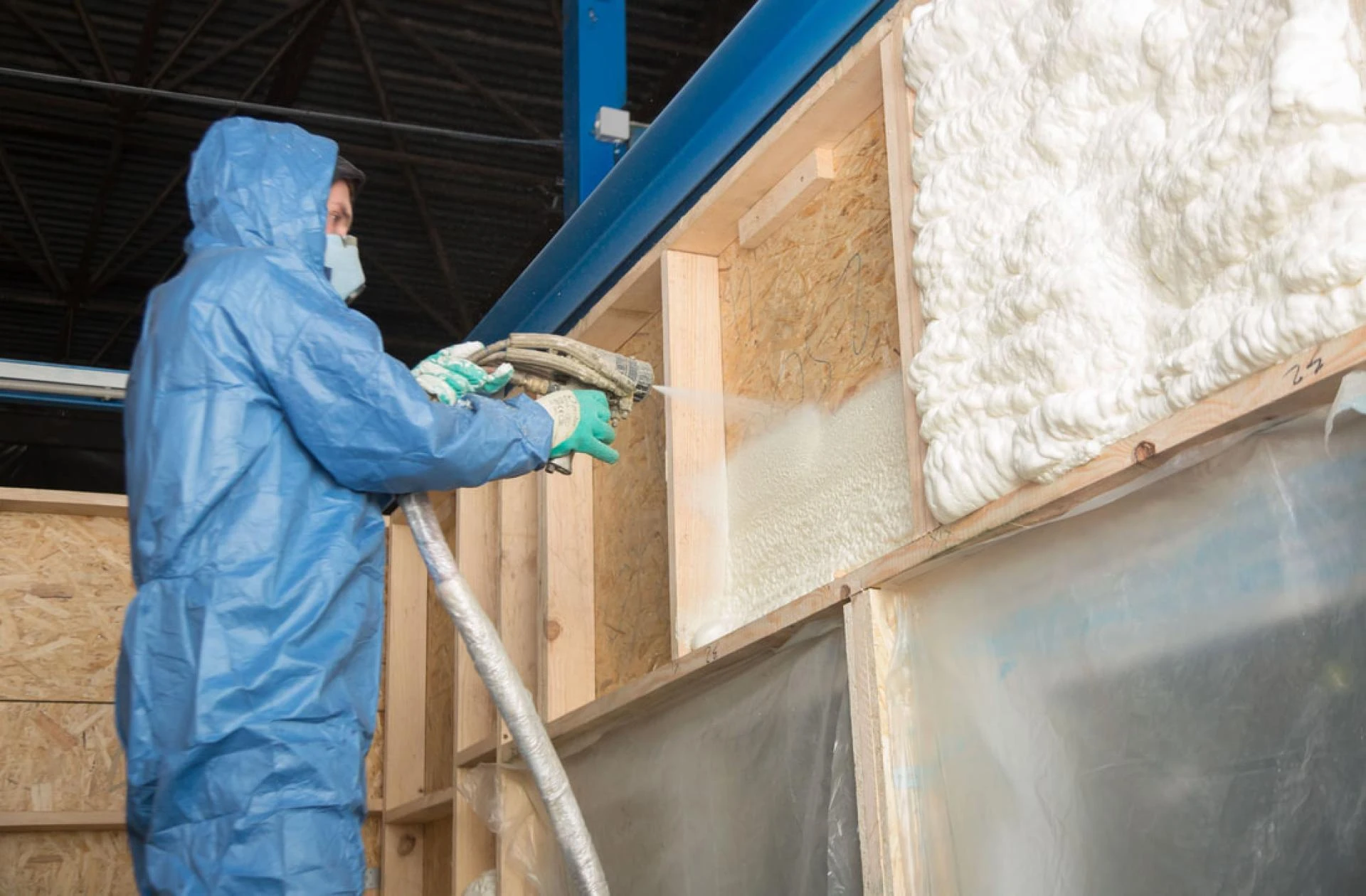
Closed cell spray foam adds both insulation and a moisture barrier. It adheres tightly to surfaces, reducing gaps where water vapor could collect.
Mechanical Rooms and Basements
Mechanical rooms often contain pipes that create temperature differences. Uninsulated pipes can sweat and drip water onto nearby surfaces. Proper insulation around ducts and pipes reduces this risk.
Things to Consider Before Making a Decision
Choosing Commercial Insulation Services requires careful planning. Building owners should review several factors before starting a project.
They should consider:
- The local climate and average humidity levels
- The building’s age and construction type
- Existing ventilation systems
- Signs of past moisture damage
- Code requirements for energy efficiency
Energy data from the U.S. shows commercial buildings account for nearly 18 percent of total energy use. Improved insulation reduces both energy costs and moisture problems.
A reliable Commercial Insulation company performs a full building assessment before installation. They explain how insulation interacts with ventilation and vapor barriers.
The Long Term Impact on Indoor Air Quality
Mold can release particles that affect occupants. Offices, schools, and healthcare facilities must maintain clean indoor air.
Proper Commercial Insulation reduces hidden damp areas where mold may grow unnoticed. This supports healthier air and fewer maintenance issues.
Buildings with improved insulation often report lower HVAC strain. When air leaks decrease, systems operate more efficiently and maintain steady humidity levels.
Protect Buildings Through Smart Insulation Planning
Mold prevention starts with moisture control. Commercial Insulation reduces condensation, blocks humid air, and stabilizes interior conditions. Skilled installation makes the difference between short term fixes and long term protection.
Building owners should evaluate climate, building design, and ventilation systems before choosing insulation solutions. Careful planning helps prevent costly mold remediation later.
Speak With Experienced Insulation Professionals
Property managers seeking guidance on Commercial Insulation Services can consult Raleigh Excel Spray Foam Insulation. Their team reviews building structure, moisture risks, and insulation options suited for commercial spaces. For project discussions, they can be reached at [email protected] or (919) 301-9435. Professional evaluation helps building owners plan insulation upgrades with long term mold prevention in mind.
Questions People Ask About Commercial Insulation
Can insulation alone stop mold growth?
Insulation helps reduce moisture and condensation, but it must work with proper ventilation and leak control.
How often should commercial insulation be inspected?
Experts recommend inspection during major roof work or every few years in high humidity areas.
Is spray foam better for mold prevention?
Closed cell spray foam offers strong moisture resistance and air sealing compared to many traditional materials.
Does insulation help with musty odors?
Yes. By reducing damp conditions inside walls, insulation lowers the chance of odor causing mold growth.
What signs show insulation may be failing?
Water stains, rising energy bills, and uneven indoor temperatures may signal insulation problems.
Author: Edith has extensive experience in residential and commercial property management and is dedicated to helping clients improve energy efficiency, comfort, and indoor air quality through advanced insulation solutions.
Reviewer: With nearly a decade in the spray foam insulation field, William Harris reviewed this post and provided guidance that reflects both technical understanding and real-world marketing experience.