
Coastal architecture faces environmental pressures that differ sharply from inland construction. Buildings near the ocean remain exposed to salt-filled air, high humidity, steady winds, and shifting temperatures throughout the year. These conditions place constant stress on exterior materials, especially glass and the components that support it.
Choosing salt-resistant glass in San Diego helps protect both residential and commercial structures while maintaining visibility and structural performance.
How Coastal Air Accelerates Corrosion
Ocean air contains fine salt particles that travel inland through wind and humidity. These particles settle on exposed surfaces and attract moisture from the air. When moisture combines with salt residue, it forms a corrosive layer that speeds oxidation and material breakdown. Metal fasteners corrode, seals weaken, and untreated glass develops staining and surface pitting.
Why Standard Glass Falls Short Near the Ocean
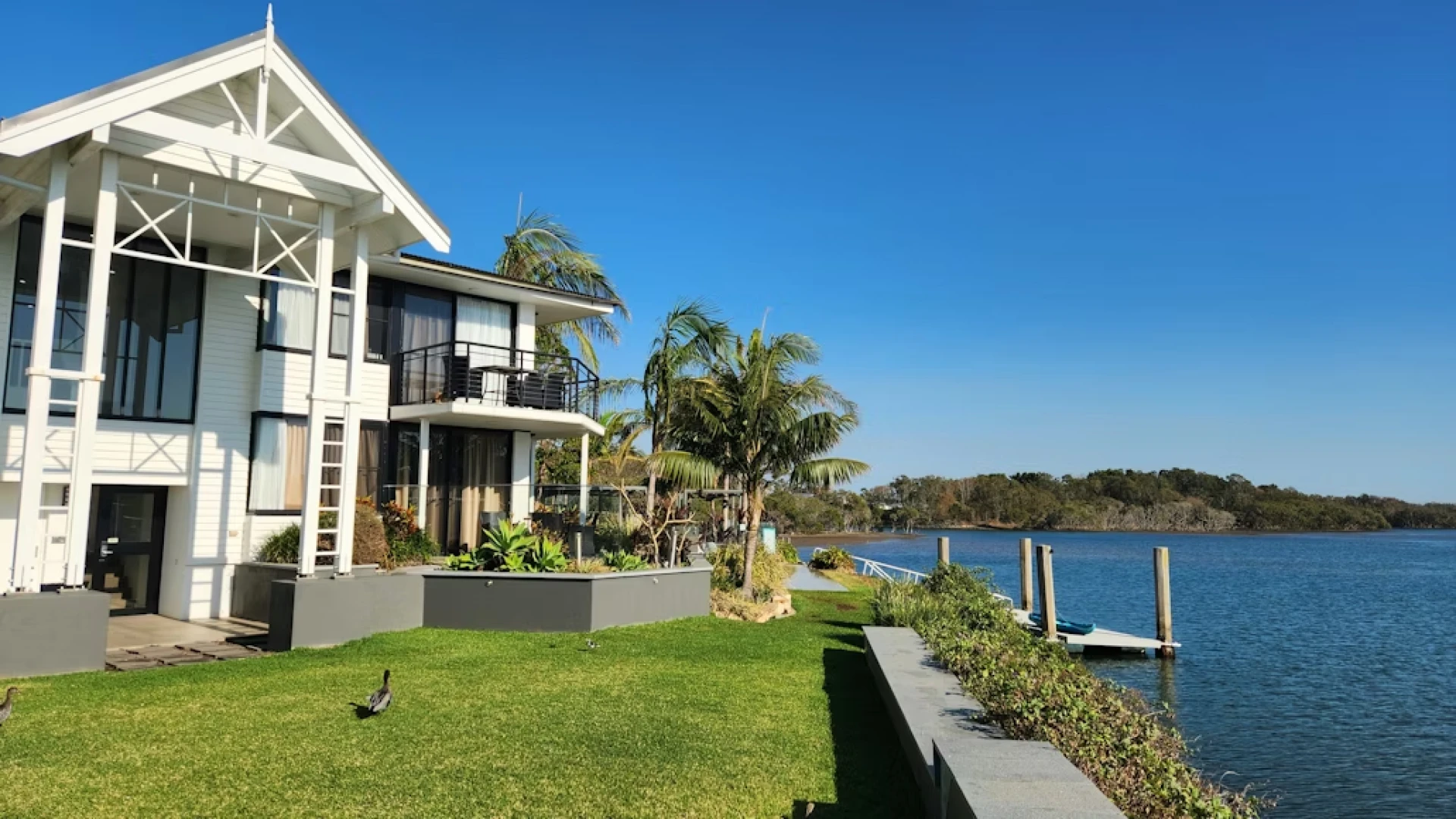
Standard glass products perform adequately in many environments but struggle under prolonged salt exposure. Without protective treatments, salt residue bonds to the surface and causes mineral deposits that reduce clarity. Over time, these deposits create a cloudy appearance that cleaning alone cannot remove. Edges and contact points also suffer as moisture penetrates seals and frames. In coastal buildings, untreated glass often requires early replacement, which increases long-term ownership costs and disrupts daily operations in both homes and businesses.
The Function of Glass in Coastal Design
Glass serves more than a visual purpose in coastal architecture. It acts as a barrier against wind, moisture, and temperature changes while maintaining a connection to outdoor views. Large windows, sliding doors, and balcony railings define coastal design styles. Because these features face constant exposure, glass must deliver strength, clarity, and surface resistance. Coastal architecture relies on materials that perform under stress without frequent intervention. This demand has led to wider adoption of treated glass systems designed for marine environments.
What Defines Salt-Resistant Glass
Salt-resistant glass includes surface treatments and material properties that limit chemical reaction with salt and moisture. Protective coatings form a barrier that reduces salt adhesion and slows surface degradation. These coatings also help water drain off the surface rather than pooling at the edges. Low-iron glass compositions further reduce discoloration caused by prolonged exposure. When applied correctly, these features preserve clarity and reduce surface damage. Many coastal projects now specify salt-resistant glass in San Diego to manage ongoing environmental exposure.
Surface Coatings Designed for Coastal Use
Modern glass coatings address multiple coastal challenges at once. Hydrophobic coatings repel water, which limits the time salt residue remains on the surface. This property allows rain or routine rinsing to remove contaminants before damage develops. Anti-corrosion treatments protect vulnerable areas such as panel edges and contact zones. Some coatings also resist chemical cleaners used in coastal maintenance routines. These layered protections reduce long-term wear and slow visible aging of exterior glass.
Impact of Salt Exposure on Interior Glass Elements

Salt exposure does not stop at exterior walls. Coastal air often enters buildings through ventilation, open doors, and windows. Interior glass elements such as partitions, mirrors, and stair railings can also show surface damage over time. Salt-resistant treatments applied during fabrication help limit interior surface staining and edge corrosion. These protections support clarity and surface integrity in shared interior spaces such as corridors, lobbies, and offices located near the coast.
Hardware Compatibility and Structural Support
Glass durability depends on the performance of the supporting hardware. Coastal air corrodes standard fasteners and brackets quickly. For this reason, coastal architecture often specifies stainless steel or marine-grade alloys for clamps, anchors, and railing posts. These materials resist oxidation and surface breakdown. Proper spacing and load distribution further protect glass panels from stress caused by wind pressure. When glass panels and hardware work together, the entire system maintains structural reliability in harsh conditions.
Coastal Residential Architecture Applications
Homes near the ocean frequently include large glass openings that capture views and daylight. Sliding doors, picture windows, and balcony railings remain central to these designs. Salt-resistant glass protects these features from clouding and surface pitting. Homeowners experience fewer replacements and lower maintenance demands over time. Treated glass also supports safety by maintaining structural strength under wind exposure. In coastal housing, salt-resistant glass in San Diego helps preserve both appearance and function.
Commercial Coastal Building Benefits
Commercial properties along the coast face constant public use and strict maintenance schedules. Storefront glass, office windows, and balcony barriers receive frequent cleaning and sustained exposure. Salt-resistant glass withstands these demands without rapid surface degradation. Clear storefronts support visibility and branding, while durable panels reduce downtime caused by repairs. Hotels, offices, and retail centers benefit from materials that maintain appearance under continuous environmental stress.
Hospitality and Public Space Considerations
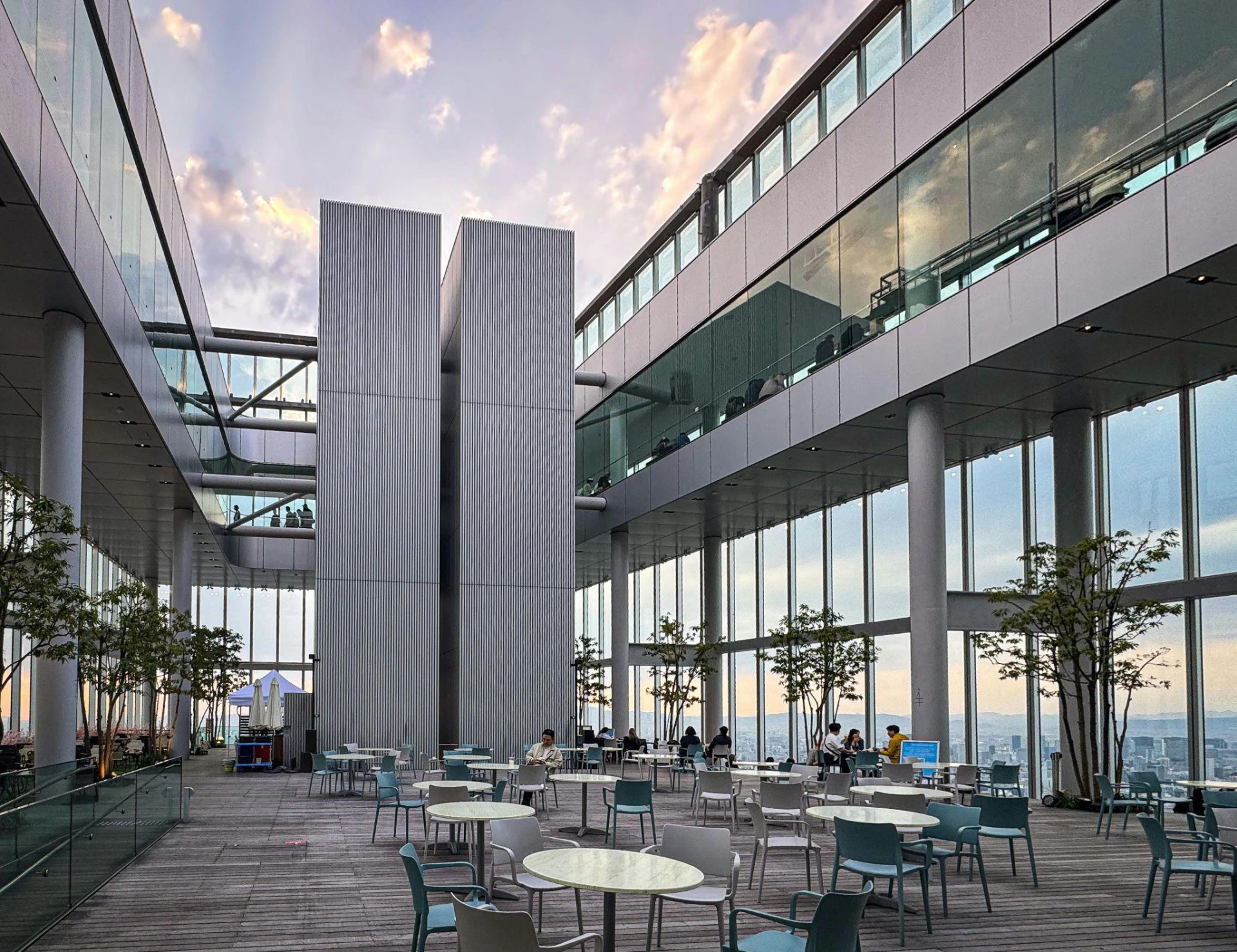
Advancements in glass treatment continue to improve coastal performance. The focus is on longer-lasting coatings, improved surface resistance, and compatibility with advanced framing systems. As coastal development expands, demand for materials built for marine environments will continue to grow. Glass solutions designed for salt exposure now form a central component of coastal construction planning.
Glass & Screens Delivers Premium Coastal Glass Solutions
Glass & Screens provides specialized glass services for coastal homes and businesses. Services include glass installation, glass replacement, window glass repair, commercial glass installation, and residential and commercial glass repair services in Rancho Bernardo, Poway, Carmel Valley, and Mira Mesa, CA. Additional support includes custom glass installation.
Contact them today to discuss glass solutions!