In modern healthcare, the concept of patient-centered care has become one of the most important pillars of effective medical delivery. Instead of focusing solely on diseases, procedures, or administrative efficiency, healthcare systems are increasingly shifting toward a model that prioritizes the individual—listening to their needs, respecting their preferences, and involving them in every stage of decision-making.
Within this evolving landscape, organizations like cmn medical play a significant role in strengthening patient-centered care frameworks. By integrating clinical expertise, coordinated workflows, and technology-enabled solutions, CMN Medical contributes to improving accessibility, continuity, and quality of care. Alongside industry innovators such as NikoHealth, the healthcare ecosystem is becoming more connected, efficient, and focused on patient outcomes.
Understanding Patient-Centered Care in Modern Healthcare
Patient-centered care is not just a healthcare trend—it is a fundamental transformation in how care is delivered. At its core, it emphasizes:
- Respect for patient preferences and values
- Coordination and integration of care
- Clear communication between providers and patients
- Emotional, physical, and psychological support
- Accessibility and continuity across healthcare systems
Unlike traditional models where patients passively receive treatment, patient-centered care actively involves them in decision-making. This approach improves satisfaction, increases treatment adherence, and leads to better health outcomes overall.
However, implementing such a model at scale requires strong infrastructure, coordinated services, and healthcare organizations capable of bridging gaps between providers, insurers, and patients. This is where CMN Medical becomes particularly relevant.
The Role of CMN Medical in Healthcare Delivery
The healthcare ecosystem includes many stakeholders: hospitals, physicians, insurance providers, care coordinators, and technology platforms. CMN Medical operates within this interconnected environment by supporting solutions that enhance care delivery efficiency and patient engagement.
While different organizations may interpret “CMN” differently in healthcare contexts, CMN Medical in this discussion represents a healthcare-focused approach centered on improving service coordination, patient outcomes, and care accessibility.
Its contributions typically align with several key areas:
- Care coordination and integration
- Patient advocacy and engagement
- Support for clinical workflows
- Data-driven healthcare decisions
- Technology-enabled care management
These elements collectively contribute to a stronger, more patient-centered healthcare experience.
How CMN Medical Supports Patient-Centered Care Solutions
1. Enhancing Care Coordination Across Providers
One of the biggest challenges in healthcare is fragmentation. Patients often see multiple specialists, receive treatment in different facilities, and interact with various administrative systems.
CMN Medical helps address this issue by supporting care coordination models that connect different points of care. This ensures:
- Medical information is shared efficiently
- Treatment plans remain consistent
- Duplication of tests and procedures is reduced
- Providers have a holistic view of the patient’s condition
When care is coordinated effectively, patients experience fewer gaps in treatment and better continuity across their healthcare journey.
2. Supporting Patient Engagement and Education
A key pillar of patient-centered care is education. Patients who understand their condition and treatment options are more likely to participate actively in their care and follow medical recommendations.
CMN Medical contributes by promoting systems and practices that:
- Improve communication between providers and patients
- Offer clear explanations of diagnoses and treatments
- Encourage shared decision-making
- Provide educational resources tailored to patient needs
This engagement transforms patients from passive recipients of care into active participants in their health journey.
3. Strengthening Patient Advocacy
Patient advocacy ensures that individuals receive appropriate care and that their rights are protected throughout the healthcare process. CMN Medical supports advocacy-driven models that prioritize:
- Helping patients navigate complex healthcare systems
- Assisting with insurance and administrative processes
- Ensuring patients understand their treatment options
- Supporting informed consent and ethical care delivery
This approach is particularly important for patients dealing with chronic conditions or complex treatment pathways, where guidance can significantly improve outcomes.
4. Integrating Technology for Better Care Delivery
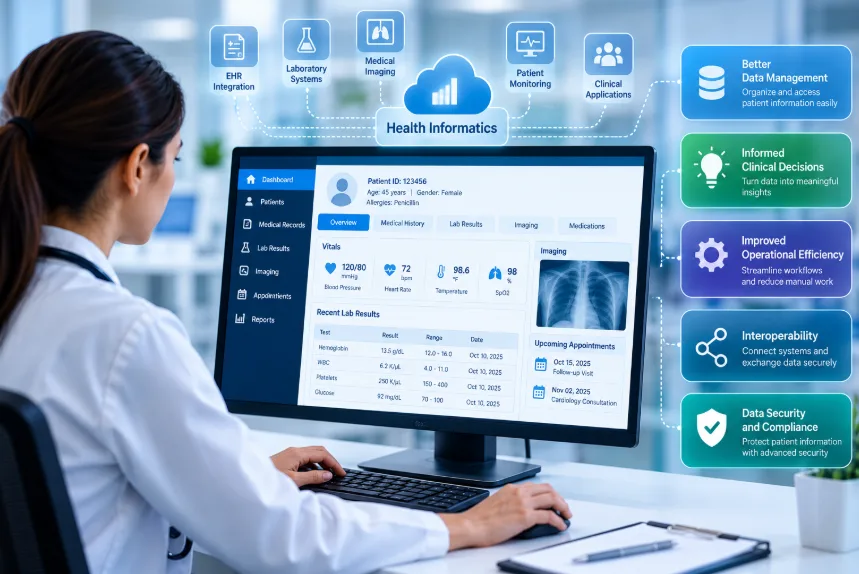
Modern patient-centered care relies heavily on digital transformation. Electronic health records, telemedicine platforms, and data analytics tools are essential for improving care efficiency and accuracy.
CMN Medical aligns with this trend by supporting healthcare systems that use:
- Digital patient records for better information sharing
- Remote monitoring tools for chronic disease management
- Automated workflows to reduce administrative burden
- AI-assisted insights for clinical decision-making
These technologies help providers focus more on patients rather than paperwork, leading to more meaningful interactions and improved care quality.
5. Improving Access to Care
Access to healthcare remains a critical challenge in many regions. Patients may face barriers such as distance, cost, or lack of available specialists.
CMN Medical supports patient-centered solutions by contributing to systems that:
- Expand access through telehealth and remote care options
- Reduce waiting times for consultations and diagnostics
- Improve outreach to underserved communities
- Enable mobile or home-based care services
Improved access ensures that more patients receive timely and appropriate treatment, which is essential for better long-term outcomes.
Collaboration with Healthcare Technology Providers Like NikoHealth
The modern healthcare ecosystem depends heavily on collaboration between clinical organizations and technology providers. Companies like NikoHealth play a vital role in this transformation by offering software solutions that streamline healthcare operations, particularly in areas like durable medical equipment (DME) management, billing, and patient workflow automation.
When combined with CMN Medical’s patient-centered care approach, such technology platforms help create a more efficient healthcare environment by:
- Automating administrative processes
- Improving reimbursement workflows
- Enhancing data accuracy and reporting
- Supporting provider-patient communication
This synergy between clinical care organizations and healthtech platforms results in a more seamless healthcare experience for patients.
Benefits of CMN Medical’s Patient-Centered Approach
The impact of CMN Medical’s support for patient-centered care can be seen across several dimensions:
1. Improved Patient Outcomes
Better coordination and engagement lead to more effective treatment plans and improved health results.
2. Higher Patient Satisfaction
Patients feel more valued when their needs, preferences, and concerns are prioritized.
3. Reduced Healthcare Costs
Efficient workflows and reduced duplication of services lower overall healthcare expenses.
4. Stronger Provider Efficiency
Healthcare professionals can focus more on clinical care and less on administrative tasks.
5. Better Chronic Disease Management
Ongoing monitoring and engagement help patients manage long-term conditions more effectively.
Challenges in Implementing Patient-Centered Care
Despite its advantages, implementing patient-centered care at scale is not without challenges:
- Integration of fragmented healthcare systems
- Data privacy and security concerns
- Resistance to change among providers
- Limited access to digital infrastructure in some regions
- Need for continuous training and education
Organizations like CMN Medical help address these challenges by promoting structured frameworks, better communication systems, and technology-enabled solutions.
The Future of Patient-Centered Healthcare
The future of healthcare is increasingly moving toward a fully integrated, digital, and patient-driven model. Key trends include:
- Expansion of telehealth services
- AI-driven diagnostics and treatment planning
- Personalized medicine based on patient data
- Increased use of remote patient monitoring
- Greater emphasis on preventive care
CMN Medical’s role in this future will likely continue to focus on strengthening care coordination, improving patient engagement, and supporting healthcare systems that prioritize individuals over processes.
Meanwhile, platforms like NikoHealth will continue to enhance operational efficiency through automation and digital transformation.
Conclusion
Patient-centered care is reshaping healthcare systems worldwide by placing individuals at the heart of every decision. Organizations such as cmn medical play an important role in supporting this transformation through care coordination, patient engagement, advocacy, and technology integration.
By working alongside innovative healthtech providers like NikoHealth, CMN Medical helps build a more connected, efficient, and compassionate healthcare ecosystem. The result is a system where patients are not just treated—they are heard, supported, and actively involved in their care journey.
As healthcare continues to evolve, patient-centered solutions will remain the foundation of better outcomes, and organizations that prioritize this approach will define the future of medical care delivery.