
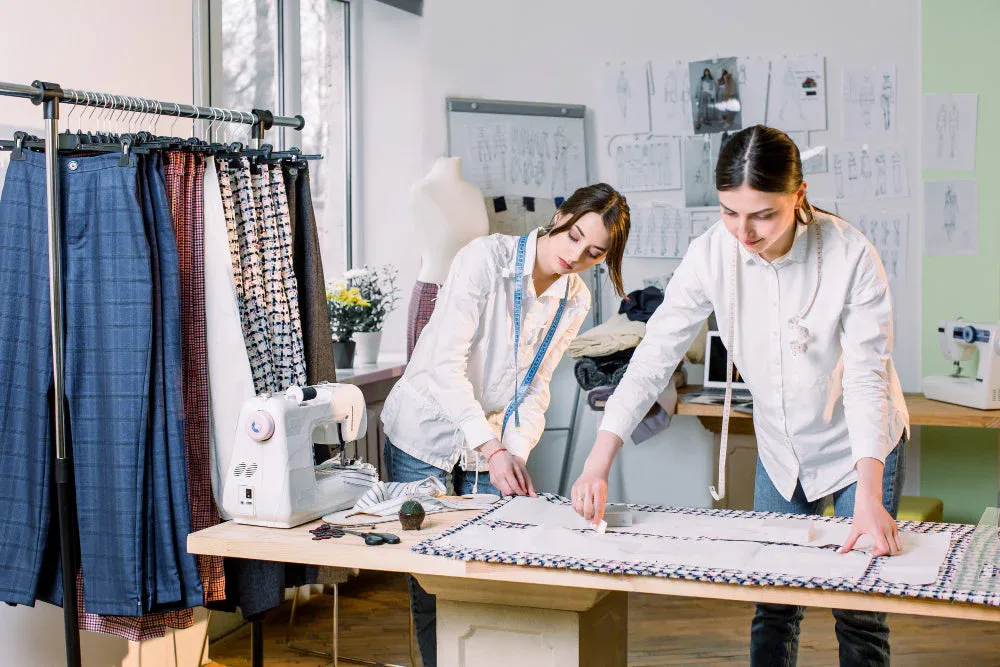
In the competitive world of fashion, quality and consistency are non-negotiable. Customers expect garments to meet their standards in terms of fit, durability, and overall finish. For brands, delivering this consistently is essential for building trust, maintaining reputation, and driving repeat business. Achieving these standards at scale requires the expertise and systems of professional clothing manufacturing operations.
This article explores how clothing manufacturers maintain high-quality production and ensure consistent results for every order.
Establishing Rigorous Quality Standards
One of the first steps in effective clothing manufacturing is defining strict quality standards. Manufacturers develop comprehensive guidelines covering every aspect of production, from fabric selection to final inspection.
These standards typically include:
- Stitching and seam strength
- Fabric weight and texture
- Print or embroidery quality
- Color accuracy and uniformity
- Sizing and fit consistency
By setting measurable criteria, clothing manufacturers create a baseline that every production batch must meet, ensuring customers receive the same level of quality regardless of order size.
Implementing Quality Control at Every Stage
Successful clothing manufacturing relies on quality control (QC) processes integrated throughout production. Rather than checking the final product alone, manufacturers monitor quality at multiple stages:
- Material Inspection – Fabrics and trims are inspected for defects such as uneven dyeing, snags, or weak fibers before production begins.
- Sample Development – Initial samples are created and rigorously tested to ensure the design translates accurately into the finished garment.
- In-Process Checks – Supervisors monitor stitching, cutting, and assembly processes to catch errors early.
- Final Inspection – Completed garments undergo a detailed review to verify that they meet all quality standards before shipping.
This layered QC approach reduces the risk of defects and ensures consistent quality across all products.
Standardized Production Processes
Consistency in clothing production depends on well-documented and standardized manufacturing processes. Clothing manufacturing companies develop clear procedures for each stage of production, including:
- Pattern making and grading
- Fabric cutting and preparation
- Sewing and assembly
- Finishing and quality inspections
Standardization minimizes variability between batches, allowing multiple production lines to deliver identical results. This is especially important for brands that require uniformity across large orders or multiple styles.
Skilled Workforce and Training
Even the best processes require skilled workers to execute them effectively. Professional clothing manufacturing operations invest in training programs to ensure employees understand production standards and techniques.
Training typically covers:
- Proper sewing and stitching methods
- Fabric handling and care
- Use of specialized equipment
- Identifying and reporting defects
A trained workforce reduces errors, improves efficiency, and contributes to the consistent quality that brands rely on.
Advanced Technology and Equipment
Modern clothing manufacturing increasingly relies on technology to enhance precision and consistency. Automated cutting machines, computerized sewing equipment, and digital printing tools allow manufacturers to produce garments with minimal variation.
Technology helps in:
- Reducing human error during cutting and sewing
- Ensuring precise measurements and patterns
- Maintaining color accuracy in prints and dyes
- Tracking production progress and identifying bottlenecks
By combining human expertise with technological tools, manufacturers can maintain high-quality standards while scaling production efficiently.
Testing and Compliance
Many clothing manufacturers conduct additional testing to ensure durability, safety, and regulatory compliance. Tests may include:
- Fabric strength and tear resistance
- Colorfastness to washing and sunlight
- Shrinkage and stretch recovery
- Compliance with local and international safety standards
These tests are crucial for brands selling products in competitive or regulated markets, as they prevent returns, customer complaints, and potential legal issues.
Supplier Relationships and Material Sourcing
Quality starts with materials. Clothing manufacturing companies often maintain long-term relationships with trusted suppliers to ensure consistent access to high-quality fabrics and trims.
Reliable suppliers provide:
- Uniform fabric batches
- Accurate color matching
- Timely delivery of materials
By controlling the supply chain, manufacturers reduce the risk of variation in the final garments and ensure every batch meets brand expectations.
Continuous Improvement and Feedback Loops
Top-tier clothing manufacturing operations embrace continuous improvement. They regularly review production processes, analyze defect rates, and solicit feedback from clients to refine their methods.
Implementing feedback loops allows manufacturers to:
- Identify recurring issues
- Update training programs
- Improve quality control checkpoints
- Introduce more efficient production techniques
This proactive approach ensures that quality and consistency improve over time, keeping brands competitive and customers satisfied.
Transparency and Communication
A strong relationship between brands and manufacturers enhances quality assurance. Clothing manufacturing companies maintain transparent communication, sharing production updates, inspection reports, and any potential issues.
This transparency allows brands to monitor quality closely and make informed decisions, reducing surprises and ensuring their products meet the expected standards.
Conclusion
Ensuring quality and consistency in production is a multifaceted process that requires clear standards, skilled workers, advanced technology, and strong supplier partnerships. Professional clothing manufacturing companies implement rigorous quality control procedures, standardized processes, and continuous improvement strategies to deliver high-quality garments consistently.
For fashion brands, partnering with a reliable clothing manufacturer not only guarantees superior product quality but also builds customer trust, enhances brand reputation, and supports long-term growth. By focusing on quality at every stage of production, clothing manufacturers help brands stand out in a crowded and demanding market.