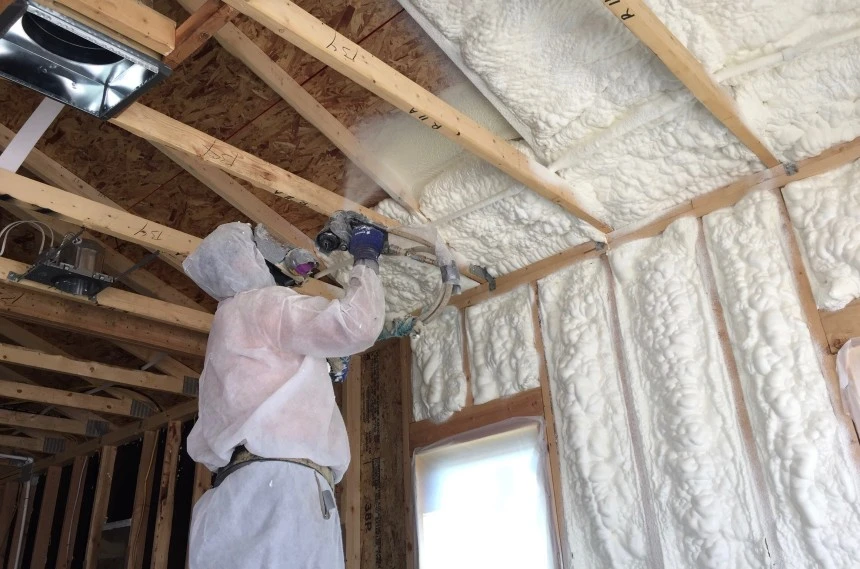
Closed-cell spray foam cuts costs over time primarily through three distinct mechanisms. First, it dramatically reduces monthly energy bills by creating a superior air and thermal barrier that older insulation types can't match. Second, it prevents expensive, long-term repairs by acting as a moisture barrier, stopping the kind of water damage that leads to mold and wood rot. Finally, by creating a tightly sealed and well-insulated building, it lessens the strain on heating and cooling systems, extending their lifespan and reducing maintenance needs.
While the initial investment for closed-cell spray foam is higher than for materials like fiberglass, its long-term financial performance is where it truly stands out. This article will break down exactly how these savings accumulate, moving beyond the technical specifications to the practical, real-world economic benefits for property owners. The information here is based on the observations of insulation professionals, and it starts with the direct impact on monthly energy bills.
A Direct Impact on Monthly Energy Bills
The most immediate and easily measured cost saving from closed-cell spray foam in Willmar MN comes from lower utility bills. This is achieved through a powerful combination of high thermal resistance and near-perfect air sealing.
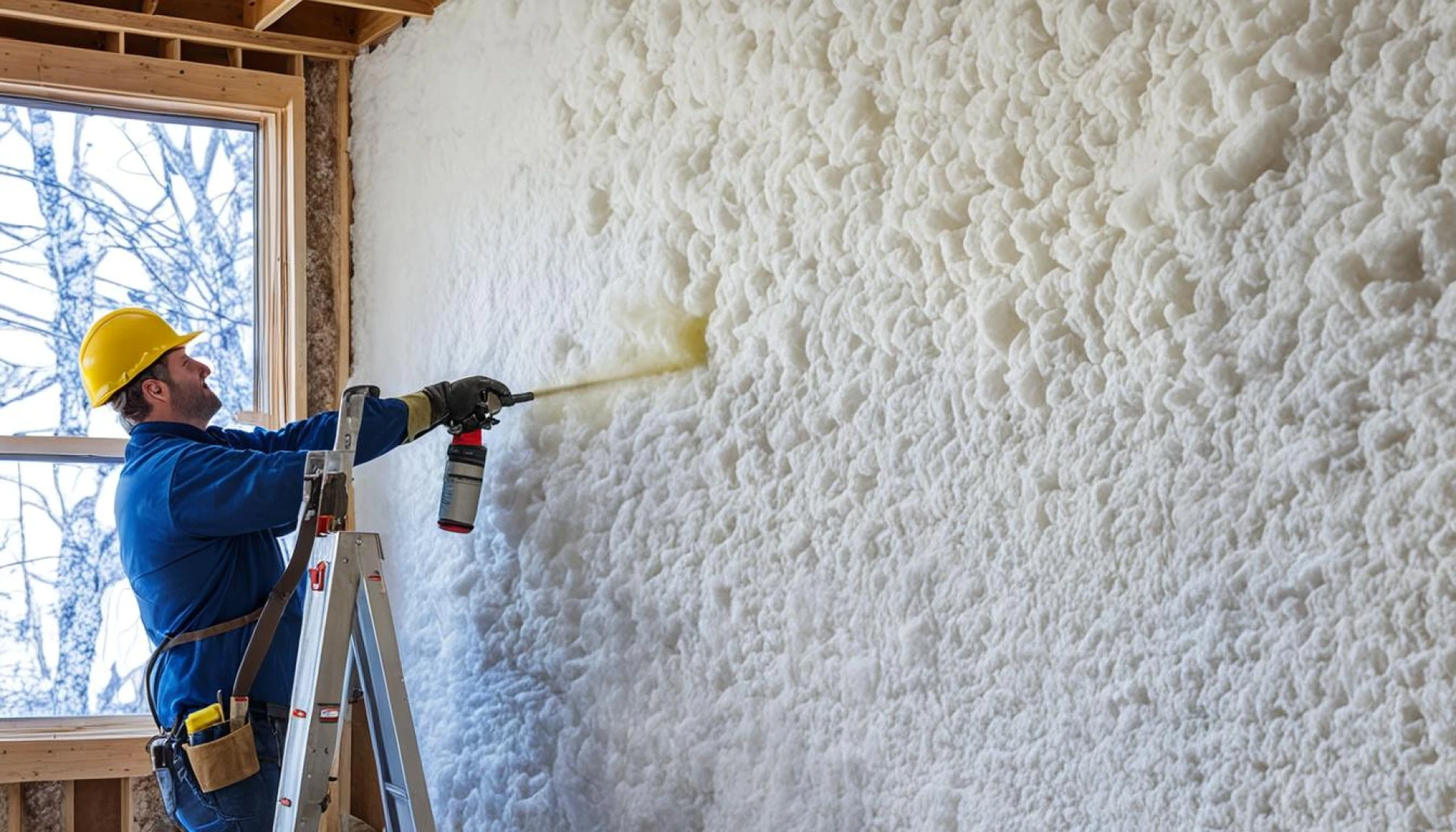
Closed-cell foam has a high R-value, typically between R-6 and R-7 per inch. This means it's very effective at resisting the flow of heat. However, its real advantage is its ability to stop air leakage. When sprayed, the foam expands to fill every crack and gap, bonding directly to the structure and creating a continuous, airtight seal. Since air leakage can be responsible for up to 40% of a building's energy loss, stopping this uncontrolled air exchange has a huge effect. The heating system doesn't have to fight against a constant flow of cold winter air, and the air conditioner isn't battling incoming humid summer air. The result is an HVAC system that runs less often and for shorter periods, directly reducing energy consumption.
Bonus Tip: The typical payback period for a spray foam insulation upgrade through energy savings alone is often between five and seven years. In climates with extreme temperatures, this period can be even shorter.
Preventing Costly Moisture and Structural Damage
One of the hidden costs of a poorly insulated building is the gradual damage caused by moisture. Closed-cell spray foam helps property owners avoid these expenses entirely. Its dense, rigid structure makes it impermeable to water and water vapor. It essentially functions as an insulation, air barrier, and vapor barrier in one application.
In walls and attics, this prevents condensation. Condensation occurs when warm, moist air meets a cold surface, and it's a primary cause of mold, mildew, and rot. These issues are not only unhealthy but can be incredibly expensive to fix, often requiring demolition, remediation, and reconstruction. By keeping the wall cavity dry, closed-cell foam protects the building's wood framing from decay, preserving its structural integrity for the long term. This preventative quality is a form of cost savings that isn't always obvious upfront but can save a property owner thousands of dollars in future repairs.
Reducing Wear and Tear on HVAC Systems
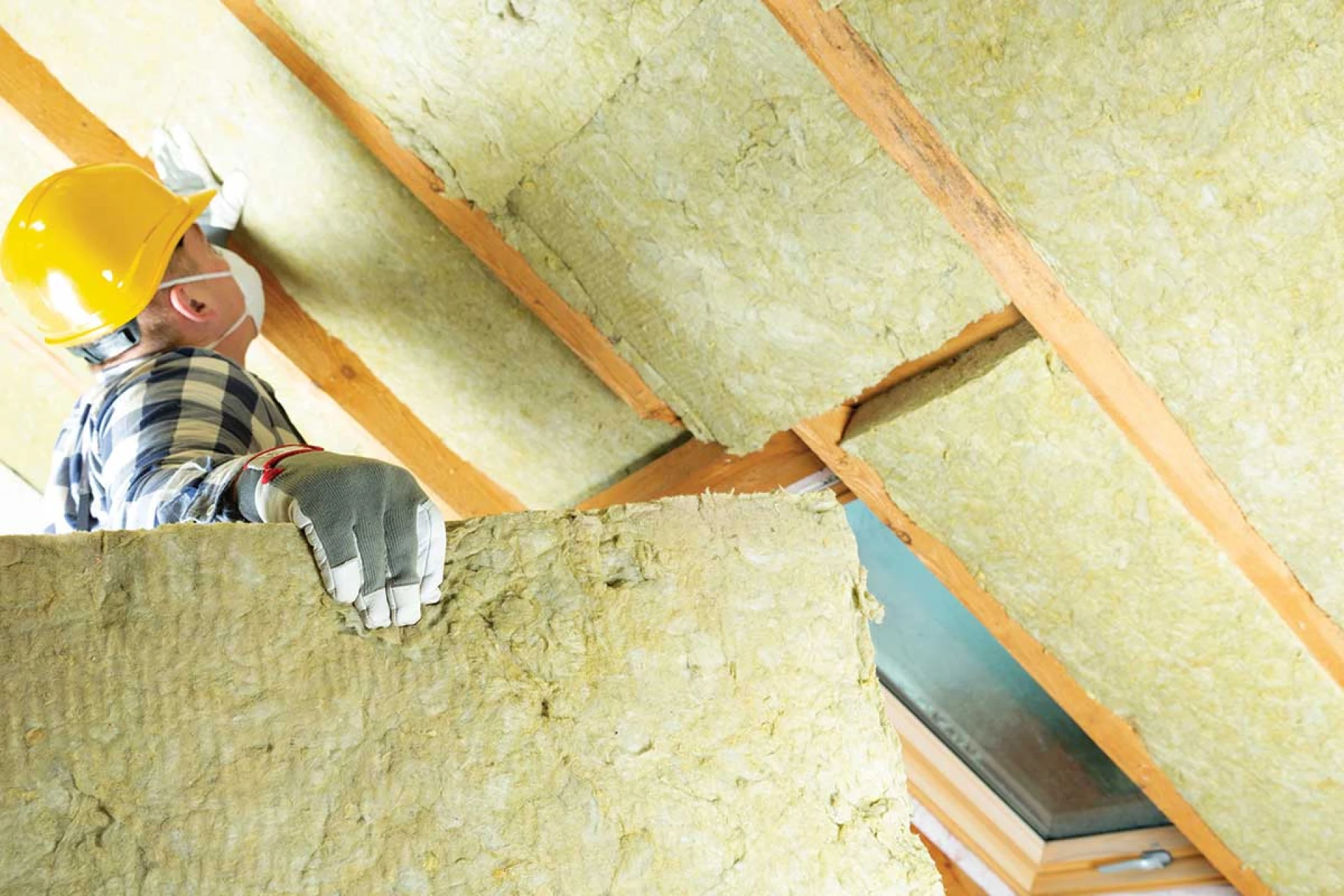
A building's heating and cooling system is one of its most expensive components. A properly insulated and air-sealed building envelope significantly reduces the workload on this equipment. When a furnace or air conditioner doesn't have to run constantly to maintain the desired temperature, its components experience less wear and tear.
This leads to cost savings in two ways:
- Fewer Repairs: Less strain means a lower likelihood of component failure, resulting in fewer service calls and repair bills over the life of the system.
- Longer Lifespan: An HVAC system that isn't overworked will simply last longer. Delaying a full system replacement by even a few years represents a major capital savings.
This benefit is a direct consequence of the foam's efficiency. The initial investment in insulation pays dividends by protecting the investment you've made in your mechanical systems.
A Look at Long-Term Insulation Performance
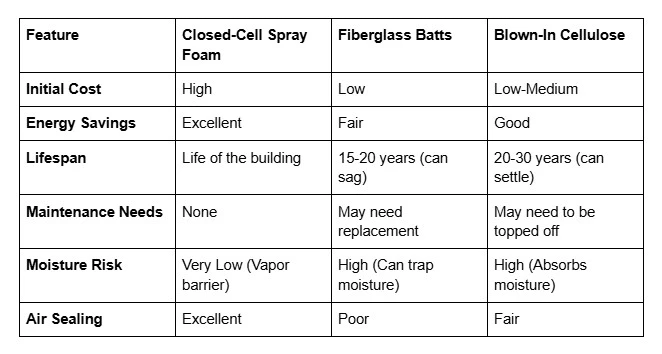
To understand the long-term value, it helps to compare materials not just on initial price but on their performance over decades.
Things to Consider Before Making a Decision
Choosing an insulation system is a significant decision. Here are a few factors to weigh to ensure you get the best long-term value.
Project Application
The return on investment can vary depending on where the foam is installed. For example, insulating a basement rim joist or an entire attic often provides the quickest and most noticeable payback because these are major areas of heat loss and air infiltration. Insulating exterior walls during a major renovation also offers huge benefits but is a larger undertaking.
Quality of Installation
The long-term cost savings of closed-cell spray foam insulation are entirely dependent on proper installation. The foam is manufactured on-site, and the chemical ratio, temperature, and application technique must be precise. An incorrect application can result in foam that shrinks, cracks, or doesn't cure properly, negating all of its benefits. Always work with a certified and experienced installer.
Bonus Tip: Ask potential installers about their training and certification. A reputable contractor should be able to provide documentation and explain their quality control process.
Ventilation Requirements
Because closed-cell foam creates such an airtight building, you must have a plan for mechanical ventilation. A balanced system, like a Heat Recovery Ventilator (HRV), brings in fresh air without wasting energy. This is an added cost, but it's essential for maintaining healthy indoor air quality in a high-performance building.
Questions People Ask About Spray Foam's Long-Term Value
Does closed-cell foam lose its effectiveness over time?
Closed-cell foam does experience a small, initial drop in R-value known as thermal drift as some of the blowing agent escapes the cells. However, it quickly stabilizes and is designed to maintain its R-value for the life of the building. Unlike other materials, it won't sag, settle, or compress.
Can this insulation increase a property's resale value?
Yes. An energy-efficient home is a major selling point. The ability to show potential buyers documented low utility bills, and to assure them the structure is protected from moisture damage, can lead to a higher appraisal and a quicker sale.
Are there any recurring maintenance costs?
No. Once closed-cell spray foam is installed and properly cured, it becomes a stable, inert part of the building. It requires no maintenance, cleaning, or replacement for the life of the structure.
Does it qualify for any rebates or tax credits?
Sometimes. Federal, state, and local utility companies often offer incentives for energy efficiency upgrades. Property owners should research current programs, as these can help reduce the initial installation cost and shorten the payback period.
Is it a good investment for a commercial building or pole barn?
Absolutely. In these larger buildings, the energy savings are magnified. The foam also adds structural rigidity to metal buildings and completely stops condensation, protecting valuable equipment, inventory, or livestock.
Weighing the Upfront Cost Against Lifetime Savings
While the initial price tag for closed-cell spray foam is higher, it's more accurately viewed as a long-term investment than a simple expense. The cumulative savings from lower energy bills, avoided repair costs, and longer-lasting HVAC equipment often provide a clear and compelling return. Over the decades that it performs, the foam pays for itself and continues to save the property owner money.
Before deciding, it's wise to consider your specific property, your local climate, and your long-term financial goals. While for many the durability and performance of closed-cell foam make it the most cost-effective choice, a professional analysis is the best way to understand the specific benefits for your building.
Getting a Professional Cost-Benefit Analysis
A detailed quote from an experienced insulation contractor can help clarify the potential return on investment for your specific project. A professional can assess your property's needs and provide a clear comparison of different options. For those looking for this kind of expert guidance, the team at FOAMWORX Spray Foam Insulation specializes in analyzing and installing high-performance insulation systems. They can offer a project-specific breakdown of costs and expected savings. For more information, you can contact them at [email protected] or call (507) 407-0678.
Reviewer: Jacob Wright has 6 years of experience in spray foam insulation. He reviewed this content and made sure it focused on the real decisions small business owners deal with every day.