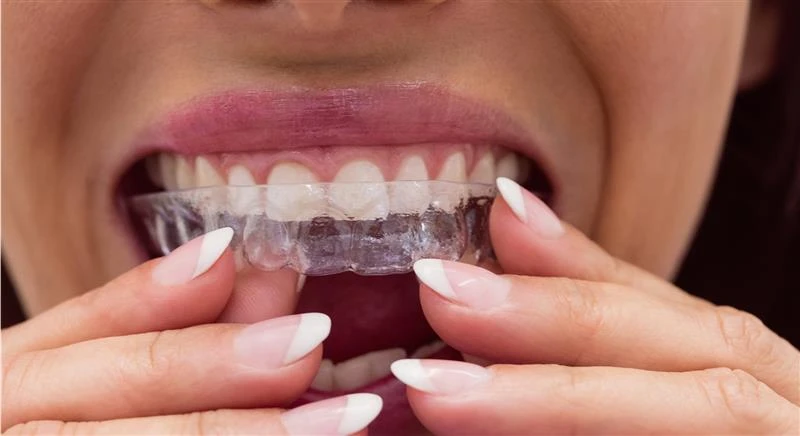
Clear aligners have transformed modern orthodontic treatment by offering a comfortable, discreet, and effective way to straighten teeth without traditional metal braces. These transparent trays are custom-made to gradually move teeth into the correct position, helping correct several dental problems while improving both oral health and smile aesthetics.
What Are Clear Aligners?
Clear aligners are transparent, removable orthodontic trays designed to fit snugly over your teeth. Each aligner is customized using digital scans and a personalized treatment plan. Every set of aligners applies controlled pressure to specific teeth, gradually moving them into proper alignment.
Patients usually wear each aligner for about 7–10 days and for approximately 22 hours per day, removing them only for eating, drinking, and oral hygiene.
This gradual process allows teeth to shift safely and comfortably over time.
Dental Problems Clear Aligners Can Fix
Clear aligners are highly versatile and can treat many common orthodontic issues.
1. Crowded Teeth
Crowded teeth occur when there isn’t enough space in the jaw for all teeth to align properly. This can lead to overlapping or twisted teeth, making oral hygiene difficult.
Clear aligners gradually move teeth into better positions, reducing crowding and improving dental health.
2. Gaps Between Teeth
Spacing issues or gaps may develop due to genetics, missing teeth, or certain habits.
Aligners gently close these gaps by shifting teeth closer together, creating a more balanced and aesthetically pleasing smile.
3. Overbite
An overbite occurs when the upper teeth overlap the lower teeth excessively. If untreated, it may cause gum irritation, tooth wear, or jaw discomfort.
Clear aligners help reposition the teeth to create a healthier bite alignment.
4. Underbite
An underbite happens when the lower teeth extend beyond the upper teeth. This condition can affect chewing, speaking, and jaw comfort.
Through a series of carefully designed trays, aligners gradually shift teeth into a more natural alignment.
5. Crossbite
A crossbite occurs when some upper teeth sit inside the lower teeth instead of outside. This can lead to tooth wear or gum issues over time.
Clear aligners move the affected teeth into the correct position, improving bite function and preventing further damage.
6. Open Bite
An open bite means the upper and lower teeth do not touch when the mouth is closed.
Aligners can adjust the vertical position of teeth so they meet properly during biting and chewing.
Benefits of Clear Aligner Treatment
Clear aligners offer several advantages compared to traditional braces:
- Nearly invisible appearance – ideal for adults and professionals
- Comfortable and smooth material that reduces irritation
- Removable design for easy eating and oral hygiene
- Fewer dental visits compared to traditional braces
- Predictable treatment planning using digital technology
These benefits make clear aligners a popular choice for patients seeking orthodontic treatment with minimal lifestyle disruption.
Are Clear Aligners Suitable for Everyone?
Although clear aligners can treat many orthodontic problems, they are typically best for mild to moderate alignment issues. Severe jaw misalignment or complex dental conditions may require traditional braces or other orthodontic procedures.
A consultation with an orthodontist is essential to determine whether clear aligners are the right treatment option for your specific dental needs.
Final Thoughts
Clear aligners provide a modern and effective solution for correcting multiple dental problems, including crowding, gaps, bite issues, and misaligned teeth. By gradually moving teeth into proper alignment, they improve both oral health and smile aesthetics.
If you are looking for a comfortable and nearly invisible way to achieve a straighter smile, clear aligners could be an excellent option. A professional dental evaluation can help you start your journey toward a healthier, more confident smile.