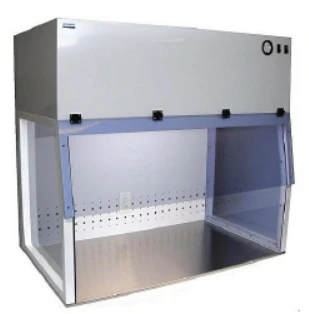
Maintaining sample integrity is one of the most critical priorities in laboratory environments. Whether you work in pharmaceuticals, biotechnology, electronics manufacturing, or academic research, contamination can compromise results, delay projects, and increase operational costs. When you handle sensitive materials, even the smallest airborne particle can affect accuracy. That is why using a clean bench hood is essential for protecting samples during critical procedures.
A clean bench hood provides a controlled workspace that reduces airborne contaminants. By directing filtered air across the work surface, it protects your materials from particles, microbes, and dust that could otherwise interfere with experimental results. When you integrate the right equipment into your workflow, you improve both the reliability of your research and the quality of your final outcomes.
Understanding How a Clean Bench Hood Works
A clean bench hood uses laminar airflow technology to maintain a sterile work environment. Air passes through a high-efficiency particulate air (HEPA) filter before entering the workspace. This filtration process removes microscopic particles and ensures that the air reaching your samples is clean and controlled.
In most setups, air flows vertically or horizontally in a smooth, uninterrupted stream. This consistent airflow pushes contaminants away from the work area and prevents external particles from settling on sensitive materials. When you perform delicate tasks such as sample preparation, media pouring, or microelectronics assembly, this airflow helps maintain purity.
If you want to ensure reliable protection for sensitive samples, choosing a high-quality advanced laboratory Clean Bench Hood system can significantly improve your contamination control strategy.
Why Sample Integrity Matters in Laboratory Work
When samples become contaminated, the consequences extend beyond simple inconvenience. In many industries, compromised samples can invalidate entire experiments or production batches.
Using a clean bench hood helps you avoid several common problems, including:
- Cross-contamination between samples
- Dust or airborne particle interference
- Microbial contamination during preparation
- Inconsistent experimental results
By protecting samples at the preparation stage, you reduce the risk of costly mistakes later in the workflow.
Key Ways a Clean Bench Hood Protects Samples
Controlled Airflow Reduces Airborne Particles
Airborne particles are one of the most common contamination sources in laboratory settings. A clean bench hood minimizes this risk by continuously pushing filtered air over the workspace.
This steady airflow creates a barrier between your samples and the surrounding environment. As a result, contaminants are less likely to settle on open containers or exposed materials.
HEPA Filtration Removes Microscopic Contaminants
HEPA filters capture up to 99.97% of particles as small as 0.3 microns. This level of filtration removes dust, pollen, microbes, and other airborne pollutants that could compromise sensitive experiments.
When you work with cultures, chemicals, or electronic components, this filtration ensures your materials remain clean during preparation and handling.
Consistent Work Environment Improves Accuracy
Sample integrity depends on consistency. Even small variations in environmental conditions can influence results.
A clean bench hood stabilizes the immediate workspace by maintaining uniform airflow and minimizing environmental disturbances. This allows you to perform delicate procedures with greater precision and confidence.
Reduced Risk of Cross-Contamination
Laboratories often handle multiple materials in the same area. Without proper containment, contaminants from one sample can easily spread to another.
Laminar airflow helps prevent this by pushing particles away from the working zone. When you organize your workflow properly inside the hood, you can safely process multiple samples without compromising their integrity.
Enhanced Workflow Efficiency
When you know your samples are protected, you spend less time repeating experiments or troubleshooting contamination issues. This improved efficiency helps laboratories maintain productivity and meet research timelines.
Investing in reliable cleanroom equipment also supports regulatory compliance and quality assurance standards in many industries.
Best Practices for Using a Clean Bench Hood
Even the most advanced clean bench hood requires proper usage to maintain sample integrity. Following a few simple practices can significantly improve contamination control.
Keep the workspace organized
Avoid overcrowding the hood with unnecessary equipment. A clear workspace allows airflow to move smoothly across the surface.
Work from clean to dirty areas
Always handle the most sensitive materials first and move gradually toward less critical tasks.
Minimize movement
Rapid hand movements can disrupt airflow and introduce contaminants into the workspace.
Clean surfaces regularly
Wipe down the work surface before and after each use with approved cleaning agents to maintain a sterile environment.
Allow the hood to run before use
Turn on the airflow system several minutes before starting work so the environment stabilizes.
These practices help you get the full contamination-control benefits from your clean bench hood.
Choosing the Right Clean Bench Hood for Your Lab
Selecting the correct equipment is essential for maintaining sample integrity. When evaluating options, consider factors such as airflow direction, workspace size, filter efficiency, and material construction.
High-quality systems often include stainless steel interiors, durable filters, and ergonomic designs that support long laboratory sessions. Choosing reliable equipment ensures consistent performance over time.
If you are planning to upgrade your laboratory contamination control systems, it is helpful to explore professional laboratory airflow solutions and Contact us today for expert guidance on selecting the right clean bench hood for your application.
Conclusion
Sample integrity is the foundation of reliable laboratory work. Without proper contamination control, even well-designed experiments can produce inaccurate or inconsistent results. A clean bench hood creates a controlled workspace that protects sensitive materials from airborne particles, microbes, and environmental disturbances.
By using laminar airflow technology and HEPA filtration, this equipment helps you maintain a sterile environment where samples remain pure throughout the preparation process. When combined with proper laboratory practices, a clean bench hood becomes a powerful tool for ensuring accuracy, efficiency, and dependable research outcomes.
FAQ: Clean Bench Hood
What is a clean bench hood used for?
A clean bench hood is used to protect samples and materials from airborne contamination during laboratory procedures. It provides filtered laminar airflow that keeps the workspace clean and particle-free.
Does a clean bench hood protect the user?
No. A clean bench hood is designed primarily to protect the sample, not the operator. If user protection from hazardous substances is required, a biosafety cabinet or chemical fume hood should be used instead.
What industries commonly use clean bench hoods?
Clean bench hoods are widely used in biotechnology, pharmaceuticals, electronics manufacturing, medical research, and academic laboratories where contamination control is critical.
How often should filters be replaced in a clean bench hood?
HEPA filters typically last several years, but replacement schedules depend on usage, environment, and manufacturer recommendations. Regular inspections help ensure optimal performance.
What is the difference between horizontal and vertical laminar flow?
Horizontal laminar flow directs filtered air from the back of the hood toward the user, while vertical laminar flow pushes air downward from the top of the hood toward the work surface. Both designs help maintain a contamination-free workspace.