
Have you ever felt mentally drained, emotionally unstable, or physically exhausted without a clear reason?
It might not just be stress or lack of sleep—it could be a chakra imbalance.
Your body’s energy system plays a crucial role in your overall well-being. When your chakras are blocked or overactive, it can directly affect your thoughts, emotions, and even your physical health.
In this guide, we’ll break it down in simple terms—and show you how tools like a chakra chart can help you restore balance quickly and effectively.
What Is a Chakra Imbalance?
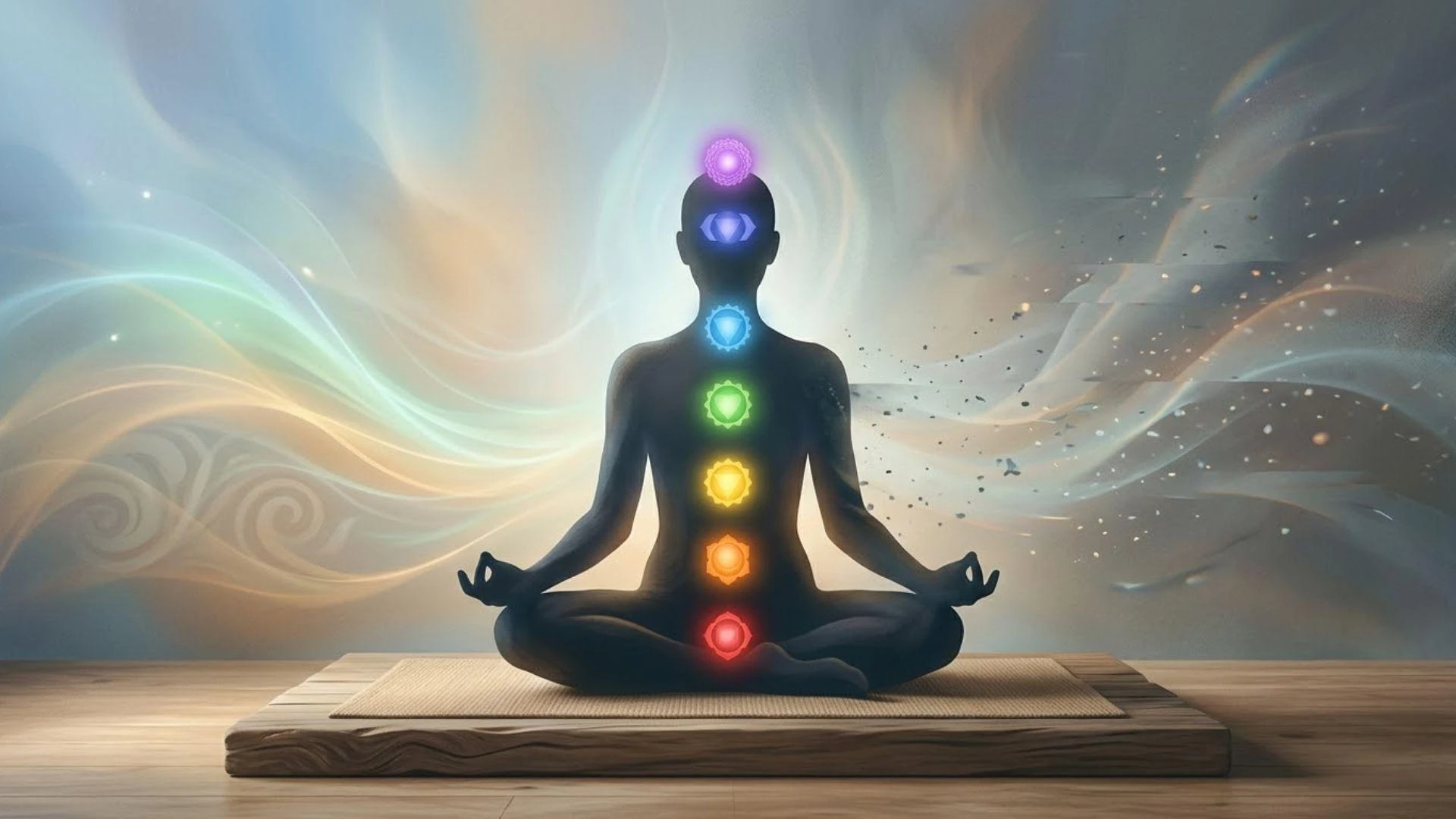
Chakras are energy centers in your body that regulate different physical, emotional, and spiritual functions.
There are 7 main chakras, starting from the base of your spine to the top of your head. When these energy points are:
- Blocked → energy cannot flow properly
- Overactive → energy becomes excessive and unstable
…it leads to a chakra imbalance.
Signs of Chakra Imbalance in the Body
Your body often gives clear signals when your energy is out of balance.
Physical Symptoms
- Frequent headaches or fatigue
- Digestive issues
- Muscle tension or body pain
- Poor sleep patterns
Emotional Symptoms
- Anxiety or overthinking
- Mood swings
- Lack of motivation
- Feeling disconnected or lost
Mental Symptoms
- Brain fog
- Difficulty focusing
- Negative thinking patterns
These symptoms are often interconnected—and each one may point to a specific chakra.
How Each Chakra Affects Your Mind and Body
Understanding each chakra helps you identify exactly where the imbalance lies.
1. Root Chakra (Stability & Security)
Imbalance Effects:
- Fear, insecurity
- Financial stress
- Weak immunity
2. Sacral Chakra (Emotions & Creativity)
Imbalance Effects:
- Emotional instability
- Lack of creativity
- Relationship issues
3. Solar Plexus Chakra (Confidence & Control)
Imbalance Effects:
- Low self-esteem
- Lack of direction
- Digestive problems
4. Heart Chakra (Love & Compassion)
Imbalance Effects:
- Difficulty trusting others
- Emotional pain
- Loneliness
5. Throat Chakra (Communication)
Imbalance Effects:
- Trouble expressing yourself
- Social anxiety
- Miscommunication
6. Third Eye Chakra (Intuition)
Imbalance Effects:
- Confusion
- Lack of clarity
- Poor decision-making
7. Crown Chakra (Spiritual Connection)
Imbalance Effects:
- Feeling disconnected
- Lack of purpose
- Mental fatigue
Why Chakra Imbalance Happens
Chakra imbalances don’t occur randomly. They are often caused by everyday lifestyle factors.
Common Causes:
- Chronic stress
- Negative thinking patterns
- Poor diet and lack of exercise
- Emotional trauma
- Lack of mindfulness or self-awareness
For example, someone dealing with constant work pressure may develop a solar plexus imbalance, leading to low confidence and burnout.
Real-Life Example: How Imbalance Affects Daily Life
Imagine a student preparing for exams:
- They feel anxious (root chakra imbalance)
- Struggle to focus (third eye imbalance)
- Lose confidence (solar plexus imbalance)
Instead of addressing just the symptoms, understanding the energy imbalance helps solve the root problem.
This is where structured learning tools like chakra charts become powerful.
How a Chakra Chart Helps You Restore Balance
Instead of memorizing scattered information, a visual chakra chart simplifies everything.
You can explore a detailed one here:
Internal Link: Chakra learning chart
Benefits of Using a Chakra Chart
- Quick understanding of all 7 chakras
- Easy identification of imbalance symptoms
- Helps you connect mind, body, and energy
- Saves time compared to reading long guides
- Perfect for students, wellness enthusiasts, and professionals
Who Should Use a Chakra Chart?
This tool is especially useful for:
Students
- Learn concepts faster with visual memory
- Improve focus and mental clarity
Professionals
- Manage stress and emotional balance
- Improve decision-making and productivity
Wellness Seekers
- Track energy imbalances
- Practice self-healing more effectively
Simple Ways to Fix Chakra Imbalance
You don’t need complicated rituals. Start small and stay consistent.
1. Meditation & Breathing
Focus on specific chakras while breathing deeply.
2. Physical Movement
Yoga and stretching help release blocked energy.
3. Positive Affirmations
Train your mind to shift negative patterns.
4. Use Visual Tools
A chakra chart acts as a daily reminder and guide.
Why Visual Learning Works Better
Most people struggle with energy concepts because they are abstract.
A well-designed chart:
- Makes complex ideas simple
- Improves retention
- Helps you apply knowledge in real life
Instead of guessing which chakra is affected, you can identify it instantly.
Take Control of Your Energy Today
Ignoring a chakra imbalance can lead to long-term emotional and physical issues.
But the good news?
You can start fixing it today—with awareness and the right tools.
A small step toward understanding your energy can make a huge difference in your life.
FAQ Section (People Also Ask)
1. What are the most common signs of chakra imbalance?
Common signs include fatigue, anxiety, lack of focus, and emotional instability.
2. How do I know which chakra is blocked?
Each chakra has specific symptoms. Using a chakra chart helps you identify them quickly.
3. Can chakra imbalance affect physical health?
Yes, it can lead to issues like headaches, digestion problems, and poor sleep.
4. How long does it take to balance chakras?
It depends on consistency. With daily practices and tools, improvement can be seen within weeks.
5. Is a chakra chart useful for beginners?
Absolutely. It simplifies complex concepts and makes learning easy.