
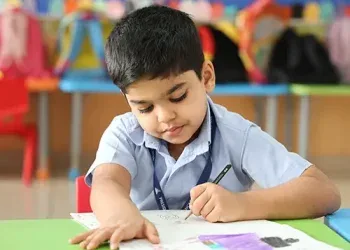
Why Emotional and Social Development Matters in Education
Education is often measured through academic achievements, examination scores, and classroom performance. While these aspects are important, a child’s growth extends far beyond academics. Emotional and social development plays a vital role in shaping confident, responsible, and well-rounded individuals. Children who understand their emotions, communicate effectively, and build healthy relationships are better equipped to navigate challenges both inside and outside the classroom.
In today's fast-changing world, students face various academic, social, and personal pressures. Schools have an important responsibility not only to educate students but also to support their emotional well-being and social growth. The best CBSE schools in Mangalore recognize that true education focuses on developing the whole child, helping students become emotionally resilient and socially aware individuals.
Understanding Emotional Development in Students
Emotional development refers to a child's ability to recognize, understand, manage, and express emotions in a healthy way. It involves building self-awareness, self-confidence, empathy, and resilience. Children who develop strong emotional skills are often better able to cope with stress, overcome setbacks, and maintain positive relationships.
Schools play a significant role in fostering emotional intelligence from an early age. Through supportive classroom environments and positive teacher-student interactions, students learn how to express their feelings appropriately and understand the emotions of others.
The top CBSE schools in Mangalore create nurturing environments where students feel valued, respected, and encouraged to share their thoughts and experiences openly.
Creating a Safe and Supportive School Environment
A child learns best when they feel safe and supported. Emotional well-being begins with a positive school atmosphere where students know they can seek help when needed. Schools that prioritize emotional development focus on creating inclusive environments where every student feels accepted and appreciated.
Teachers play a crucial role in building this sense of security. When students trust their teachers, they are more likely to participate actively in learning, ask questions confidently, and discuss concerns openly. Positive teacher-student relationships help children develop confidence and a stronger sense of belonging within the school community.
Supportive school environments also encourage students to respect differences, appreciate diversity, and develop empathy toward their peers.
Building Strong Social Skills Through Everyday Interactions
Social development is closely connected to a child's ability to communicate, collaborate, and build meaningful relationships. Schools provide numerous opportunities for students to interact with peers, teachers, and staff members throughout the day.
Classroom discussions, group activities, collaborative projects, and school events help students learn essential social skills. Through these interactions, they develop communication abilities, teamwork, active listening, and conflict-resolution skills.
The top 10 CBSE schools in Mangalore understand that social learning occurs naturally when students engage in meaningful interactions and work together toward shared goals.
Encouraging Teamwork and Collaboration
One of the most effective ways schools support social development is by encouraging teamwork. Whether through academic projects, sports activities, cultural events, or classroom assignments, students learn how to cooperate with others and contribute to group success.
Teamwork teaches students the importance of respect, responsibility, patience, and mutual support. They learn that different perspectives can strengthen ideas and improve outcomes. These experiences help children become more adaptable and open-minded while preparing them for future academic and professional environments.
Collaboration also fosters leadership skills as students take initiative, share responsibilities, and learn how to guide and motivate their peers.
Helping Students Develop Emotional Resilience
Life presents challenges that require emotional strength and adaptability. Students may encounter academic difficulties, social conflicts, disappointments, or personal setbacks. Schools play an important role in helping children develop resilience so they can face these situations with confidence.
Encouraging a growth mindset is one way schools promote emotional resilience. Students learn that mistakes are opportunities to learn rather than reasons to give up. They are taught to view challenges as part of the learning process and to persevere through difficulties.
The best schools in Mangalore help students build resilience by creating supportive environments where effort, improvement, and perseverance are valued alongside achievement.
The Role of Extracurricular Activities in Social Growth
Extracurricular activities contribute significantly to emotional and social development. Sports, arts, music, dance, drama, and student clubs provide opportunities for students to explore their interests while interacting with peers who share similar passions.
Participation in these activities helps students develop self-confidence and a sense of achievement. They learn how to work as part of a team, handle competition positively, and communicate effectively with others.
These experiences also encourage students to step outside their comfort zones, develop new friendships, and strengthen interpersonal skills that will benefit them throughout life.
Teaching Empathy and Respect
Empathy is one of the most important social skills children can develop. It allows students to understand and appreciate the feelings and perspectives of others. Schools foster empathy by encouraging kindness, respect, and inclusion within the learning environment.
Through classroom discussions, collaborative activities, and community initiatives, students learn to value diversity and treat others with compassion. These lessons help create positive school cultures where students feel respected and supported.
Teaching empathy not only improves peer relationships but also helps students become responsible and caring members of society.
Strengthening Communication Skills
Effective communication is essential for both emotional and social success. Schools help students develop communication skills by encouraging discussions, presentations, storytelling, and collaborative learning activities.
When students learn how to express their thoughts clearly and listen actively to others, they become more confident in social situations. Strong communication skills also reduce misunderstandings and help students build stronger relationships with peers and teachers.
The top schools in Mangalore emphasize communication development because it supports academic performance, leadership abilities, and future career success.
Supporting Mental Well-Being Through Holistic Education
Modern education increasingly recognizes the importance of mental well-being. Emotional and social development are closely linked to overall mental health. Schools that focus on holistic education understand that students need emotional support as much as academic guidance.
By promoting positive relationships, encouraging self-expression, and providing opportunities for personal growth, schools help students maintain healthy emotional well-being. A balanced educational experience enables children to feel more confident, motivated, and engaged in learning.
When students feel emotionally secure, they are better able to focus on academics and achieve their full potential.
Preparing Students for Life Beyond the Classroom
The benefits of emotional and social development extend far beyond school years. Students who develop strong interpersonal skills, emotional intelligence, and resilience are better prepared for future challenges in higher education, careers, and personal life.
Employers increasingly value qualities such as communication, teamwork, adaptability, empathy, and leadership. These skills often determine long-term success just as much as academic qualifications.
Schools that prioritize emotional and social growth help students become capable individuals who can build positive relationships, make responsible decisions, and contribute meaningfully to society.
Presidency School Mangalore: Supporting Emotional and Social Development
Presidency School Mangalore recognizes that emotional and social development are essential for a child’s overall growth. Through a caring learning environment, interactive classroom experiences, and co-curricular activities, the school encourages students to build confidence, develop empathy, strengthen communication skills, and form positive relationships. This holistic approach helps students become emotionally resilient, socially responsible, and well-prepared for future challenges.
Conclusion
Education is most effective when it supports both academic achievement and personal development. Emotional and social growth help students build confidence, resilience, empathy, and strong interpersonal skills that benefit them throughout life.
The best CBSE schools in Mangalore understand that nurturing emotional well-being and social development is essential for creating successful and balanced individuals. Through supportive learning environments, positive relationships, collaborative activities, and holistic educational approaches, schools help students grow into confident, compassionate, and responsible members of society. As education continues to evolve, emotional and social development will remain a cornerstone of meaningful learning and lifelong success.