
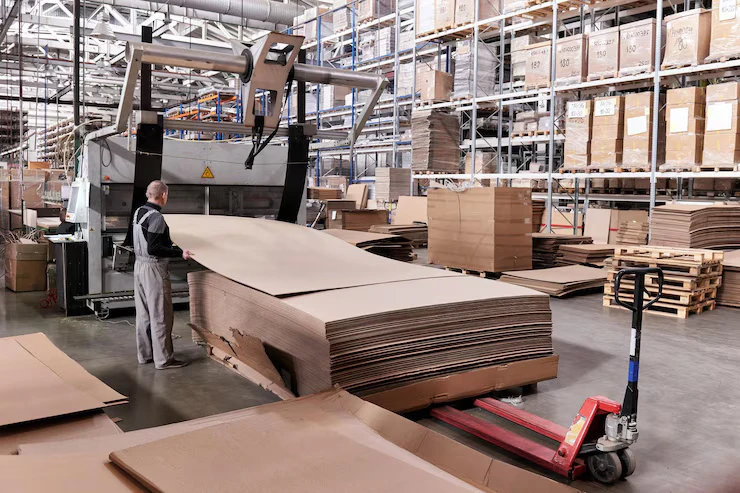
Increased awareness of environmental sustainability has revolutionized the way companies do business, particularly in packaging. Cardboard packaging companies have taken center stage in driving the green revolution, enabling industries to reduce plastic consumption and adopt recyclable options. Their innovations are more than simple box making — they are redefining the norms of sustainable manufacturing, green materials, and circular economy systems. From small gift box packaging vendors to big manufacturers supplying global companies, the sector is coming together with one motive: cutting down on waste, saving resources, and making a better future for businesses and the world.
The Emergence of Sustainable Practices within the Packaging Industry
In the past decade, cardboard packaging companies have evolved from simple box producers to pioneers of sustainable design. They have embraced renewable materials, optimized manufacturing efficiency, and implemented energy-saving technologies. By using recycled fibers and biodegradable adhesives, these companies drastically reduce carbon footprints and landfill waste. The demand for eco-conscious products has encouraged businesses to collaborate with packaging partners who share their environmental values.
Gift box packaging suppliers are also leading the way with this transformation, providing trendy but recyclable solutions for luxury brands and small businesses. Rather than plastic or foam inserts, they employ paper-based fillers and soy-based inks. These minor innovations have an enormous environmental effect, demonstrating just how sustainability can combine with creativity. The growth of green packaging isn't a fad; it's a trend fueled by businesses that want to save natural resources without sacrificing presentation and durability in their packaging solutions.
How Cardboard Packaging Businesses Develop Innovative Materials
Part of the reason cardboard packaging companies are at the forefront of the green revolution is their innovation. Cardboard packaging businesses develop new forms of eco-friendly materials that are robust and recyclable on a regular basis. Corrugated cardboard, kraft paper, and molded pulp have become the preferred material choice for brands that need sustainable but dependable packaging. Brands are also turning to water-based coatings rather than plastic laminates so that the packaging is still compostable.
Gift box packaging suppliers have further developed this innovation by making premium boxes that combine luxury with sustainability. Through the incorporation of post-consumer recycled materials and low-ink printing, they provide environmentally friendly options without sacrificing aesthetics. This innovation has helped brands position themselves as sustainability leaders, fulfilling consumer demands while lowering their environmental footprint. Each new innovation in cardboard packaging material is one step more towards a circular economy, where waste is a resource and not a problem.
The Role of Recycling and Reusability in Packaging Design
Recyclability and reusability are the central tenets of contemporary cardboard packaging companies. The model of the circular economy calls for packaging to be reused, recycled, and utilized — reducing the utilization of virgin materials. Most manufacturers create boxes that are simple to dismantle and recycle without the need for extra processing, making the process more effective. Some go so far as to launch returnable packaging systems, where consumers may reuse the boxes for a number of shipments.
Gift box packaging suppliers are especially creative with reusability. They engineer boxes with magnetic closures, drawers, or reinforced lids so that they can be used as a second product — for storage purposes or as a decorative item. Not only is waste minimized, but also customer satisfaction is enhanced through this means of providing packaging that creates long-term value. These initiatives show how recycling and reusability have emerged as hallmark aspects of sustainable design, turning packaging into a durable, functional product that harmonizes with environmentally friendly consumer lifestyles.
Integration of Green Manufacturing Processes and Renewable Energy
Sustainability is more than materials — it's also how packaging is made. Cardboard packaging companies are incorporating renewable power sources, including solar and wind, into their manufacturing processes. Energy-saving equipment, low-emission printing processes, and digital optimization have significantly minimized waste and water usage. Numerous facilities now operate with certified environmental management systems that guarantee alignment with worldwide sustainability standards.
Gift box packaging suppliers, though on a lesser scale, are also proactive. They frequently collaborate with local mills that practice sustainable forestry and prefer short-distance shipping to minimize transportation greenhouse gas emissions. Furthermore, most suppliers are shifting to zero-waste production lines, where all cardboard scrap is recycled back into packaging. Such practices reduce operational expenses while also winning customers looking for clear and ethical modes of production. The coupling of renewable energy and efficient production is a major breakthrough in the green revolution efforts of the packaging sector.
The Future of Eco-Friendly Packaging and Consumer Expectations
Growing consumer demand for eco-friendly products maintains its momentum, influencing the plans of cardboard packaging companies across the globe. Today's consumers want packaging to demonstrate the same moral and environmental values as the packaged good. This pressure compels producers to seek out biodegradable coatings, natural adhesives, and creative lightweight designs that have lower shipping emissions. Smart tracking systems and digital printing also enable companies to cut excess inventory while preventing waste.
Eco-friendly gift box packaging suppliers are getting creative with ways to personalize their boxes without adding to resource usage. Through minimalist design and long-lasting materials, they provide sustainable luxury that is in line with today's marketplace. The future of packaging is about harmony among aesthetics, functionality, and sustainability — and these companies are spearheading that shift. As technology continues to evolve, we should be able to see smarter, greener, and more efficient packaging solutions that not only keep products safe but also keep the planet safe.