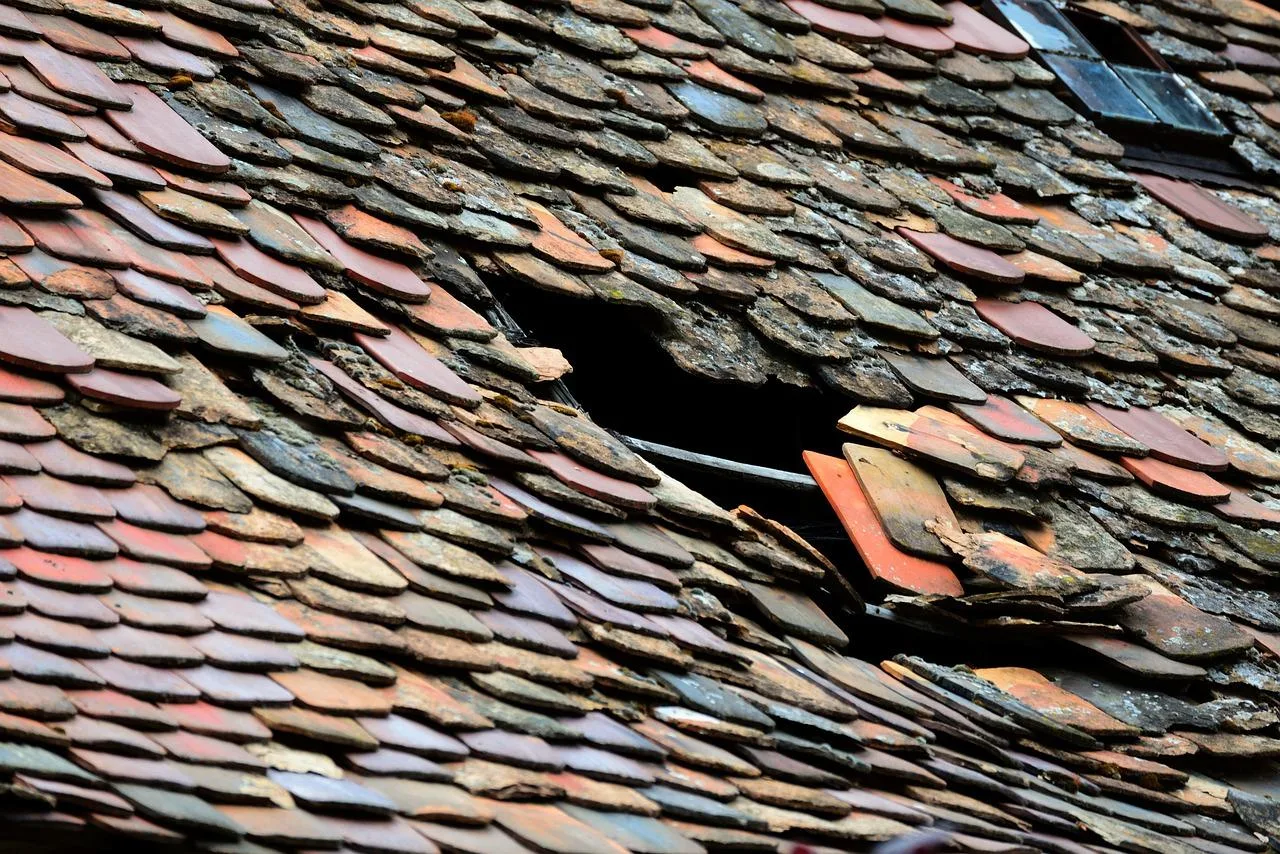
Storm damage is not always obvious from the ground. Strong wind, hail, heavy rain, and falling branches can affect shingles, flashing, gutters, and areas beneath the roof. For homeowners considering roofing services, knowing what to look for after severe weather can help identify problems before a small defect becomes a larger repair.
Check the Shingles
Begin with a visual inspection from ground level. Look for missing, lifted, curled, cracked, or visibly displaced shingles. Wind can loosen shingles and expose the layers beneath them, while hail may leave dents, bruised areas, or small impact marks.
Do not climb onto the roof after a storm unless you are properly equipped and trained. A damaged roof can have unstable surfaces, and wet conditions can increase the risk of falling.
Inspect Flashing and Roof Edges
Flashing around chimneys, vents, skylights, valleys, and roof edges can be vulnerable during severe weather. Check from a safe position for pieces that appear bent, lifted, separated, or missing. Damaged flashing can create openings where water enters the roofing system.
Look at Gutters and Downspouts
Gutters can provide useful clues. Check for excessive granules, dents, detached sections, or debris that may have fallen from the roof. A sudden increase in shingle granules around downspouts can sometimes indicate surface wear or impact.
Also look for branches, leaves, and other storm debris resting on the roof or collecting around drainage areas. Heavy debris can block water movement and add unnecessary weight to vulnerable sections.
Storm debris can damage vents, gutters, siding, and exterior fixtures. Compare current conditions with earlier photos when available, since changes can reveal issues after severe weather.
Watch for Interior Warning Signs
Some storm damage becomes easier to recognize inside the house. Check ceilings, attic spaces, and upper walls for new water stains, damp spots, peeling paint, discoloration, or dripping water.
After heavy rain, inspect the attic when it is safe to do so. Look for wet insulation, damp wood, daylight entering through areas that should be sealed, or signs of recent moisture.
Pay Attention to Sudden Changes
Storm damage may produce changes that are easy to overlook. You might notice a new draft, unusual sounds during wind, increased moisture in the attic, or water appearing around a previously dry window or ceiling area.
Keep records of what you notice, including photographs taken safely from the ground or inside the home.
Consider Hail and Wind Damage
Hail does not always cause dramatic visible damage. Small impacts can affect shingles and other roofing components without producing an immediate leak. Wind can also lift roofing materials without removing them completely.
Because some damage may be difficult to identify without a close assessment, homeowners should consider professional evaluation after significant storms, especially when there are visible changes or interior moisture.
Know When to Request an Assessment
A professional roof assessment is appropriate when you see missing materials, damaged flashing, signs of water intrusion, sagging, substantial debris impact, or other changes following a storm. It can also be worthwhile when you suspect damage but cannot safely inspect the roof yourself.
An assessment can help determine whether the issue requires a minor repair, more extensive work, or continued monitoring. Prompt attention may also help prevent moisture from affecting decking, insulation, framing, and interior finishes.
What to Do After a Storm
Avoid disturbing damaged areas unless necessary for immediate safety. If water is entering the home, protect belongings and address the source as soon as possible. Do not attempt temporary roof work during dangerous weather or while surfaces remain unsafe.
Contact your insurance provider if appropriate and keep photographs, inspection information, receipts, and other relevant records. Follow any instructions they provide regarding documentation and repairs.
Protect Your Home After Severe Weather
Knowing the signs of storm damage can help you respond before problems spread. Missing shingles, damaged flashing, gutter debris, interior stains, attic moisture, and unusual changes all deserve attention after severe weather.
If you need roof repair, roof replacement, or roofing contractors in Eagle, Empire Renovations can assess your roof and help determine the appropriate next step. Contact them today.
About the Author
Jordan Ellis writes about residential maintenance, home improvement, and practical ways homeowners can care for their properties. Their work focuses on clear information that helps readers understand common household issues. Jordan has a background in researching construction topics and turning technical information into accessible guidance.