
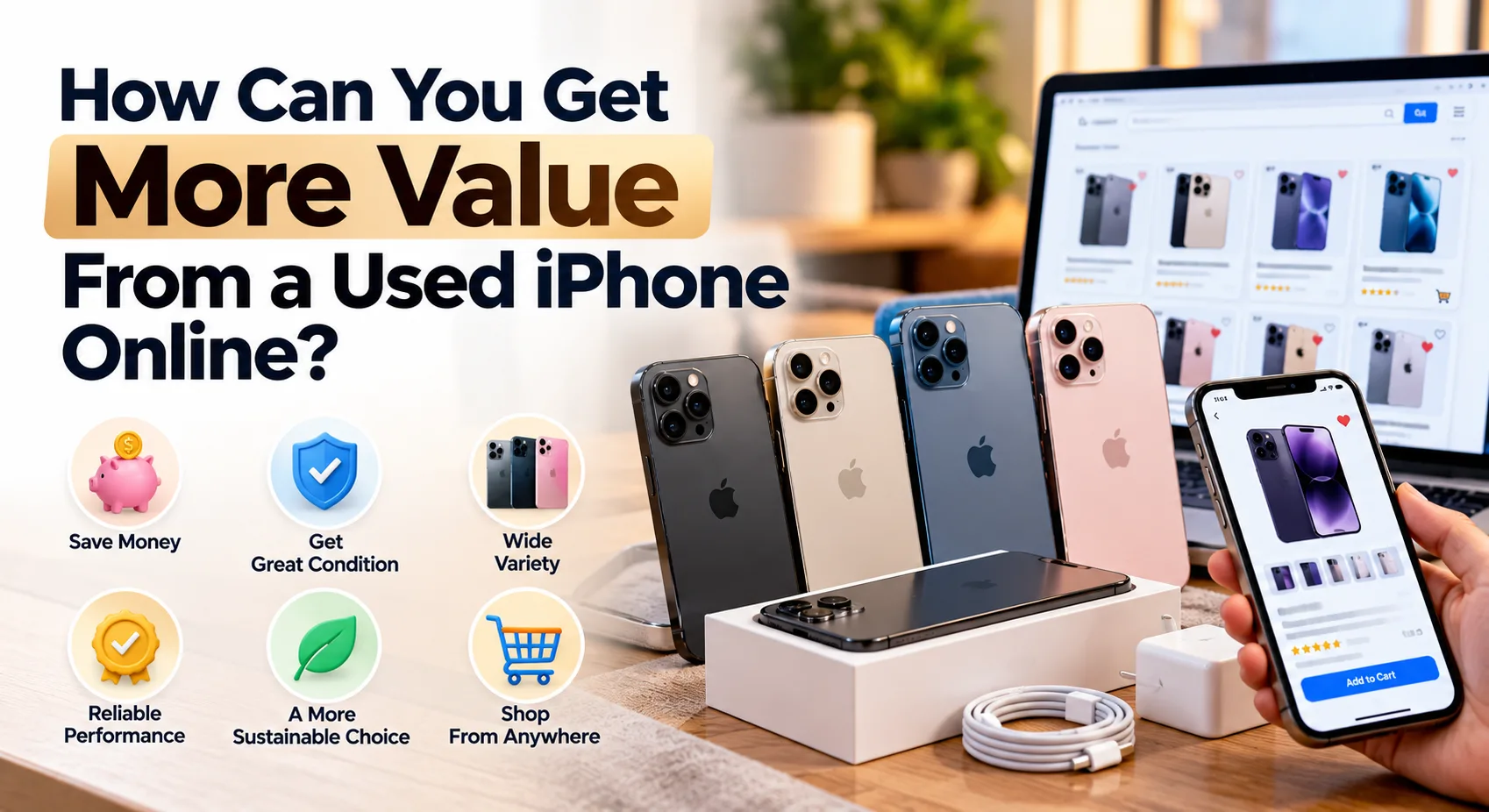
Buying a pre-owned smartphone can be a practical way to access premium features without paying the full price of a brand-new device. iPhones are known for their strong performance, reliable software support, quality cameras, and durable hardware, which makes them attractive in the second-hand market. However, getting good value depends on understanding the phone’s condition, specifications, history, and seller reliability before completing a purchase.
When looking for used iphone online in spain, buyers should focus on more than the listed price. A lower price does not always mean better value. Factors such as battery health, storage capacity, physical condition, model generation, warranty coverage, and whether the device is fully functional can significantly affect the overall value. Taking time to compare these details can help buyers make a more informed purchasing decision.
Check the iPhone Model and Specifications
The first step is to identify the exact iPhone model. Different generations can have substantial differences in processor performance, camera capabilities, display technology, connectivity, and battery efficiency. Buyers should verify the model number and storage capacity rather than relying only on the product title.
Storage is particularly important because an iPhone with higher storage can be more useful for people who take many photos, record videos, download applications, or store large files. Choosing an appropriate storage capacity can also reduce the need to upgrade again soon.
Examine the Physical Condition
The physical condition of a pre-owned iPhone provides useful information about how carefully it was previously handled. Check the display for cracks, deep scratches, dead pixels, or unusual discoloration. The frame and rear panel should also be inspected for significant dents or damage.
Minor cosmetic marks are common with used devices and may not affect performance. However, substantial damage can indicate that the phone has experienced a hard impact. Buyers should also check the charging port, speakers, microphones, cameras, buttons, and Face ID or Touch ID functionality where applicable.
Pay Attention to Battery Health
Battery condition is one of the most important considerations when purchasing a pre-owned iPhone. Batteries naturally lose capacity after repeated charging cycles, so an older device may require more frequent charging.
Check the battery health information available in the iPhone settings. A device with better battery capacity can provide longer daily usage and may delay the need for a battery replacement. If the battery has been replaced, buyers should also determine whether the replacement was performed correctly and whether any relevant warnings appear in the device settings.
Verify the Device History
Before purchasing, it is useful to confirm that the iPhone has not been reported as lost or stolen and that it is not linked to another person's Apple account. An Activation Lock can prevent a new owner from properly setting up the device.
Buyers should also confirm that the phone is not subject to outstanding financial obligations or carrier restrictions where applicable. Checking the device's IMEI or serial number through appropriate verification services can provide additional information about its status.
Compare Prices and Seller Details
Price comparison is an important part of finding good value. Look at multiple listings for the same model, storage capacity, and similar condition. A significant price difference should be investigated rather than automatically treated as a bargain.
Seller reputation also matters. Established sellers that provide clear product descriptions, return policies, warranty information, and customer support can offer greater transparency. Reviews from previous customers can provide additional insight into the buying experience, although they should be considered alongside other information.
Understand Warranty and Return Policies
A clear return policy can provide valuable protection when buying a used device. Before ordering, check how many days are available for returns and which conditions apply. It is also important to understand whether the device includes a warranty and what types of faults are covered.
Buyers should save the order confirmation, invoice, product description, and communication with the seller. These records can be useful if an issue appears after delivery.
Test the Device After Delivery
Once the iPhone arrives, inspect and test it promptly. Confirm that the model and storage capacity match the listing. Test the touchscreen, cameras, speakers, microphones, charging, Wi-Fi, Bluetooth, cellular connectivity, and biometric security features.
It is also sensible to check battery health and ensure that the device can be reset and configured with the buyer's own Apple account. Any unexpected problem should be reported to the seller within the applicable return period.
Also Read :- Best Ways to Start a Profitable iPhone Reselling Business
Conclusion
Getting more value from a pre-owned iPhone requires careful research rather than simply choosing the cheapest listing. Checking specifications, battery condition, physical quality, device history, seller reputation, warranty coverage, and return terms can help reduce unnecessary risks. A well-maintained device with suitable specifications can provide strong performance and useful features for a considerably lower cost than a new model. Reputable sellers such as GLP Wireless can also be considered when comparing available options and evaluating purchasing conditions.