Businesses across construction, landscaping, infrastructure, and industrial sectors constantly look for ways to complete projects faster while keeping expenses under control. One of the most effective strategies is choosing rental equipment instead of purchasing expensive machinery outright.
Owning heavy equipment may seem like a long-term advantage, but it often comes with high upfront costs, maintenance responsibilities, storage requirements, and depreciation risks. Renting equipment allows businesses to access the right machines when they need them without carrying the financial burden of ownership.
From small contractors to large-scale project managers, many businesses are using rental solutions to improve productivity, manage budgets, and adapt quickly to changing project demands.
What Makes Rental Equipment a Cost-Effective Choice for Businesses?
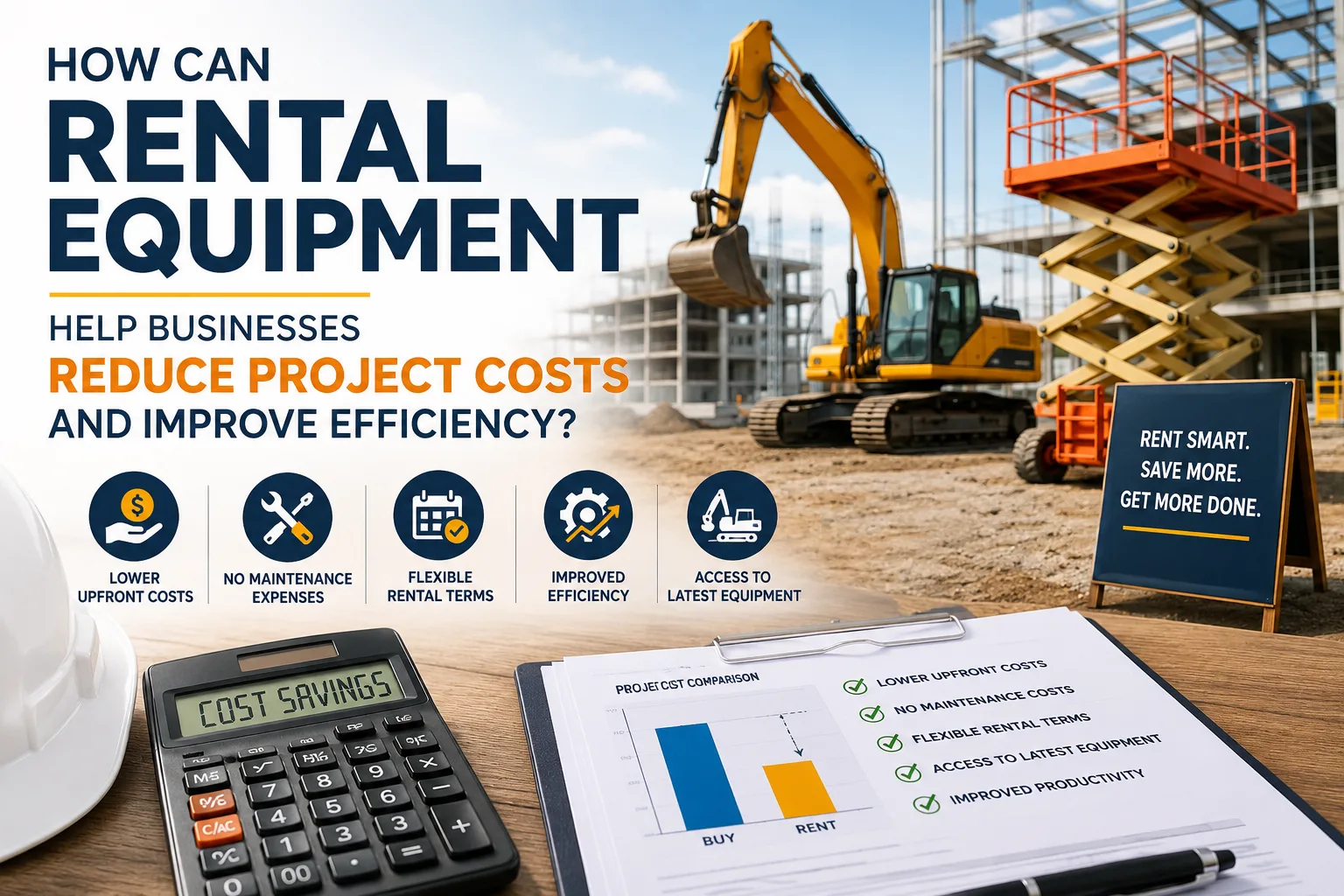
The biggest advantage of rental equipment is financial flexibility. Purchasing heavy machinery requires a significant investment that may not always provide value, especially for short-term or occasional projects.
With rental options, businesses can allocate their budgets more efficiently by paying only for the equipment they need and for the duration they use it.
Key cost-saving benefits include:
- Lower upfront expenses: Businesses avoid large capital investments required for buying new machinery.
- Reduced maintenance costs: Rental providers typically handle equipment servicing and repairs.
- No storage expenses: Companies don’t need dedicated space to store machines when they are not in use.
- Better cash flow management: Funds can be invested in labor, materials, technology, or other important areas.
For many businesses, renting equipment turns a large ownership expense into a predictable project cost.
How Does Rental Equipment Improve Project Efficiency?
Efficiency depends on having the right tools available at the right time. Delays often happen when businesses lack suitable machinery or rely on outdated equipment that slows down operations.
Rental equipment gives project teams access to modern, well-maintained machines designed for specific tasks. This helps workers complete jobs faster and reduces unnecessary downtime.
For example:
- Wheel loader rentals can help move materials, clear debris, and handle loading tasks efficiently on construction and landscaping sites.
- Bulldozer rentals provide the power needed for grading, excavation preparation, and large-scale earthmoving projects.
- Excavator rentals allow businesses to complete digging, trenching, and demolition work with greater precision.
Instead of adjusting a project around available machinery, companies can select equipment based on the exact requirements of each job.
Why Is Renting Better Than Buying Equipment for Short-Term Projects?
Not every project requires permanent access to heavy machinery. A business may need specialized equipment for a few weeks or months but have little use for it afterward.
Buying equipment for temporary needs can create unnecessary expenses. After the project ends, businesses may still need to pay for:
- Equipment storage
- Insurance
- Regular maintenance
- Repairs and replacement parts
- Equipment depreciation
Rental equipment eliminates many of these challenges. Companies can return the machinery once the project is complete and avoid long-term ownership responsibilities. This approach is especially useful for seasonal businesses or contractors managing multiple projects with different equipment requirements.
How Can Rental Equipment Help Businesses Access Advanced Machinery?
Technology in construction and industrial equipment continues to improve. Newer machines often offer better fuel efficiency, improved safety features, and enhanced productivity. However, regularly upgrading owned equipment can be costly. Rental services allow businesses to access updated machinery without replacing their entire fleet.
This gives companies the opportunity to:
- Use equipment with modern safety features
- Improve job site performance
- Complete projects with greater accuracy
- Reduce productivity losses caused by older machines
Having access to reliable equipment can make a significant difference in meeting deadlines and maintaining quality standards.
What Should Businesses Consider Before Renting Equipment?
Choosing the right rental equipment requires careful planning. Businesses should evaluate their project needs before selecting machinery.
Important factors include:
1. Understand the Project Requirements
Consider the type of work, job site conditions, project duration, and required equipment capacity. Selecting machinery that matches the task helps avoid delays and unnecessary rental expenses.
2. Check Equipment Condition and Reliability
Reliable equipment is essential for keeping projects on schedule. Businesses should confirm that machines are properly maintained and ready for operation.
3. Plan the Rental Timeline
Accurate scheduling helps control costs. Renting equipment for longer than necessary can increase expenses, while returning equipment too early may interrupt project progress.
4. Choose the Right Equipment Type
Different projects require different machines. Using specialized equipment improves efficiency and reduces the effort required to complete tasks.
How Does Rental Equipment Support Small and Growing Businesses?
For small and growing companies, purchasing heavy machinery can limit financial flexibility. Rental equipment provides access to professional-grade tools without requiring major investments.
This allows smaller businesses to:
- Take on larger projects
- Expand service capabilities
- Compete for new opportunities
- Manage resources more effectively
Instead of tying up capital in equipment ownership, businesses can focus on growth and customer service.
Frequently Asked Questions About Rental Equipment
Is rental equipment cheaper than buying?
For many projects, renting is more cost-effective because businesses avoid high purchase costs, maintenance expenses, and long-term ownership responsibilities. The best option depends on how often the equipment will be used and the length of the project.
What types of businesses use rental equipment?
Construction companies, contractors, landscaping businesses, agricultural operations, and industrial organizations commonly use rental equipment to complete projects efficiently.
Are rental machines reliable for professional projects?
Yes. Professional rental providers typically maintain equipment regularly to ensure it performs safely and effectively on job sites.
When should a business consider renting instead of buying equipment?
Renting is often a smart choice when equipment is needed for a temporary project, when a company wants to test machinery before purchasing, or when avoiding maintenance and storage costs is a priority.
Final Thoughts
Choosing rental equipment can help businesses control costs, improve productivity, and complete projects with greater flexibility. Instead of investing heavily in machinery that may sit unused, companies can access the equipment they need when they need it.
Whether it’s wheel loader rentals for material handling, bulldozer rentals for land preparation, or excavator rentals for digging and demolition, the right rental solution can help businesses work smarter and manage resources more effectively.
As project demands continue to change, equipment rental remains a practical approach for businesses looking to improve efficiency while maintaining financial control.