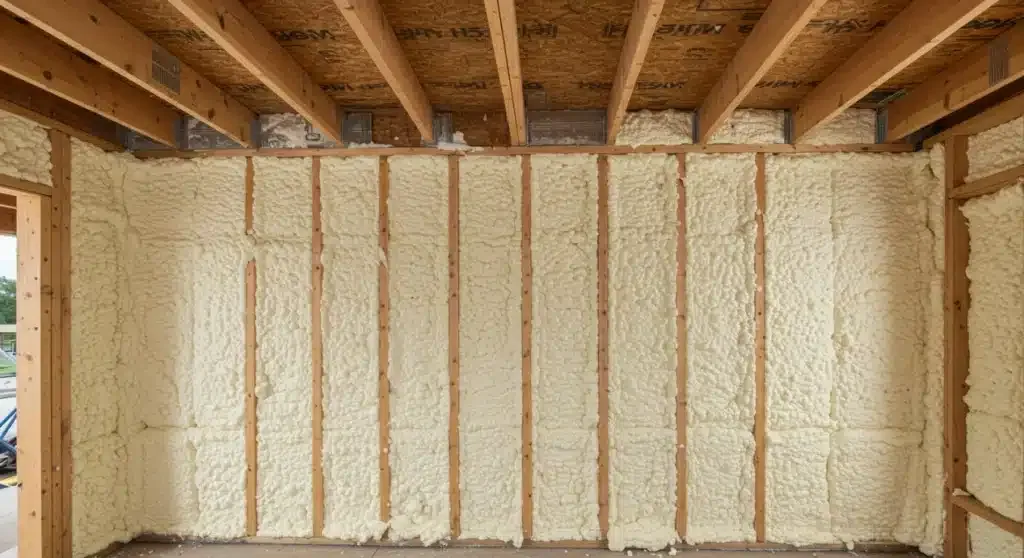
Home insulation in Las Vegas, NV can help reduce heat transfer, improve indoor comfort, and control unwanted air movement when the insulation system is properly designed and installed. Different insulation materials can be used throughout a home, including attics, walls, floors, and other areas that need improved thermal performance.
Las Vegas has a hot, dry climate, but homes can still experience heat gain, air leakage, uneven indoor temperatures, and moisture-related problems. The right insulation solution depends on the home's construction, existing insulation, air leakage, attic or wall conditions, moisture exposure, and the overall thermal boundary. Proper home insulation work should address these conditions before new insulation is installed.
Why Home Insulation Matters In Las Vegas
Home insulation is an important part of the building envelope. Poorly insulated areas can allow outdoor heat and unwanted air movement to affect conditioned living spaces. The U.S. Department of Energy recommends treating insulation and air sealing as part of a complete building-envelope strategy.
For a Las Vegas property, this matters because summer heat can move through inadequately insulated attics, walls, floors, and other parts of the building envelope. Improving insulation can help reduce unwanted heat transfer and may reduce the cooling demand placed on the home's HVAC system.
Common Home Insulation Problems
Homeowners and property managers may encounter:
- Air leakage: Gaps around windows, doors, electrical penetrations, plumbing, attic access points, and other connections can allow unwanted air movement.
- Inadequate insulation: Missing, thin, or poorly installed insulation can leave parts of the home exposed to unwanted heat transfer.
- Damaged insulation: Older insulation can become displaced, compressed, dirty, or affected by moisture and pests.
- Uneven temperatures: Poor insulation coverage can contribute to rooms that become noticeably hotter or colder than other areas of the home.
Insulation can address some of these problems, but it should not be used to hide an unresolved moisture source, structural issue, or building-envelope problem.
How Home Insulation Helps Protect A Building
Home insulation can perform an important thermal-control function. When correctly installed, it can create a more continuous insulating layer over suitable surfaces and reduce pathways for unwanted heat transfer.
Improving Thermal Protection Throughout The Home
Heat can move through attics, walls, floors, ceilings, and other areas where insulation is missing or inadequate. Improving insulation in these locations can help create a more consistent thermal boundary between outdoor conditions and conditioned living spaces.
Air Sealing And Insulation
Insulation and air sealing are related but different functions. Air can enter through small openings around pipes, wires, electrical fixtures, attic access points, windows, doors, and other penetrations. Sealing these locations can help create a more continuous boundary between the home's interior and exterior.
A complete insulation project should therefore consider both insulation coverage and unwanted air movement rather than simply adding more insulation.
Moisture Protection
Insulation can help improve thermal performance, but it is not a complete moisture-control system by itself. If a home has roof leaks, plumbing leaks, standing water, foundation seepage, or other moisture problems, those conditions should be corrected first.
Simply installing insulation over wet or damaged materials does not solve the underlying moisture source.
Different Home Insulation Options
Different insulation materials behave differently. The appropriate option depends on the location, existing building assembly, required thermal performance, moisture conditions, available space, and project requirements.
FeatureSpray Foam InsulationFiberglass InsulationDensityAvailable in different densities depending on productGenerally lightweightR-Value Per InchVaries by product and typeVaries by productAir SealingCan provide air sealing when properly installedTypically requires separate air sealingMoisture ExposureProduct and assembly dependentRequires attention to moisture conditionsHome UseSuitable for selected attics, walls, floors, and assembliesCommonly used in walls, attics, floors, and other areasCostUsually higherUsually lower
Product specifications vary, so the insulation manufacturer's technical data should always be used for the specific project.
Pros And Cons Of Home Insulation
Home insulation can be useful, but a professional assessment is important before installation.
Advantages
- Improved thermal performance: Proper insulation can reduce unwanted heat transfer between the exterior and conditioned areas.
- Better coverage around difficult areas: Certain insulation products can conform to suitable surfaces and help address areas that may be difficult to insulate with traditional methods.
- Improved building-envelope control: Proper insulation combined with appropriate air sealing can create a more effective thermal boundary.
- Greater indoor comfort: Reducing unwanted heat transfer can help create more consistent temperatures throughout the home.
- Potential energy savings: Better insulation can reduce the amount of heating or cooling needed to maintain indoor conditions, depending on the home's existing performance.
Limitations
- Higher upfront cost: Some insulation systems can cost more than traditional insulation methods.
- Preparation is essential: Wet surfaces, leaks, damaged materials, and contamination should be addressed before installation.
- Professional installation may be important: Certain insulation products require specialized equipment, protective equipment, ventilation, and application procedures.
- Code requirements still apply: Insulation may need specific thermal, fire, ignition, or other protective measures depending on where it is installed.
Real Home Insulation Problems In Las Vegas
Consider a home where several rooms become noticeably warmer during summer. The issue may come from inadequate attic insulation, insufficient wall insulation, air leakage, or an incomplete thermal boundary. Installing insulation without identifying the cause can result in unnecessary work.
Another example is a home with damaged insulation caused by a roof or plumbing leak. Adding new insulation without correcting the moisture source can create installation and long-term performance problems.
This is why home insulation projects should begin with an inspection rather than immediately choosing an insulation material or thickness.
How Las Vegas Weather Affects Home Insulation
Las Vegas is known for hot, dry weather, making effective thermal protection particularly important during periods of extreme summer heat. Heat can move through the roof, attic, walls, floors, and other inadequately insulated parts of a home into conditioned living areas. Proper insulation can slow that transfer.
Rain events can also expose weaknesses in roofing, drainage, foundation sealing, or other parts of the building envelope. A home should therefore be evaluated for water entry even in a generally dry climate.
Insulation installation itself can also be sensitive to application conditions. Product temperature, substrate condition, ambient conditions, ventilation, and manufacturer requirements can all affect installation quality for certain insulation products.
What Is The R-Value Of Home Insulation?
R-value measures resistance to heat flow. A higher R-value generally means greater resistance to heat transfer. Different insulation products provide different R-values per inch, so the appropriate insulation type and thickness depend on the location and building assembly.
However, R-value is only one part of the system. Air sealing, insulation thickness, moisture control, installation quality, and the complete building assembly also affect performance. Nevada's current energy-code framework is based on the state's adoption of the 2024 International Energy Conservation Code, with local governments allowed to adopt stricter provisions in some circumstances.Nevada Building Energy Codes information
Home Insulation Installation Process
A professional project should begin by examining the condition of the home and identifying areas where insulation performance can be improved.
Step 1: Inspect The Home
The contractor should look for inadequate insulation, damaged materials, moisture, air leakage, roof or plumbing leaks, pests, and other conditions that could affect the installation.
Step 2: Identify The Thermal Boundary
The project should determine where insulation is needed, such as the attic, walls, floors, ceilings, or other parts of the building envelope.
Step 3: Prepare The Surfaces
Surfaces should be clean and suitable for the selected insulation system. Gaps, leaks, damaged materials, and penetrations may need to be addressed before insulation is installed.
Step 4: Install The Insulation
The selected insulation should be installed at the thickness and under the conditions specified by the product manufacturer.
Step 5: Verify The Finished System
The completed work should be checked for gaps, missed areas, proper coverage, installation quality, and required protective measures.
Safety During Home Insulation Installation
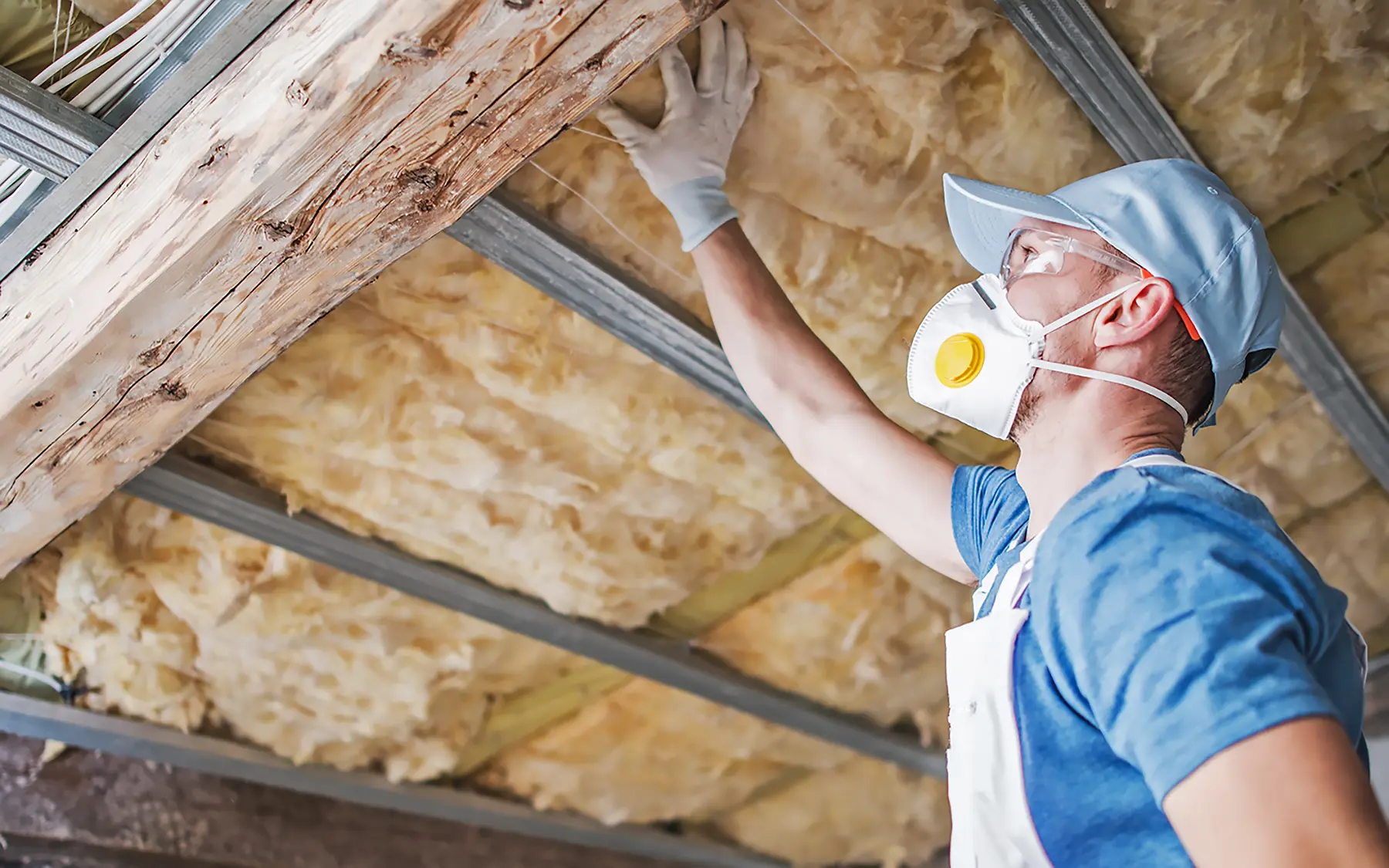
Home insulation should not be treated as a simple material-placement project. Depending on the insulation product, installation can involve airborne particles, chemicals, dust, specialized equipment, or other job-site hazards.
The EPA recommends appropriate protective equipment, ventilation, controlled access, and following product-specific safety and re-entry procedures for spray polyurethane foam applications. Crawl spaces, attics, and other restricted areas can also present additional safety concerns, making professional preparation and safe work practices important.
Why Choose Supreme Spray Foam LV?
Supreme Spray Foam LV provides insulation services for residential and commercial properties in the Las Vegas area. Owner Victor Ramirez has more than 10 years of experience in the insulation industry and focuses on insulation quality, energy efficiency, and dependable project results.
For home insulation, the goal should be more than simply adding insulation. A good solution considers heat transfer, air leakage, moisture, existing insulation, building construction, insulation location, and applicable requirements before installation begins.
Protect Your Las Vegas Home With Proper Insulation
Home insulation can be a useful part of a larger building-protection strategy. It can help control heat transfer, improve indoor comfort, and reduce unwanted air movement when properly designed and installed. However, insulation should not be used to cover up water intrusion, damaged materials, or other unresolved building problems. Proper inspection and preparation are essential.
If your home has inadequate insulation, uneven temperatures, air leakage, or areas that need better thermal protection, Supreme Spray Foam LV can help evaluate the project.
Call (702) 904-9895 or email [email protected] to discuss your home insulation needs.
Frequently Asked Questions
Is Home Insulation Worth It In Las Vegas?
Home insulation can be beneficial in Las Vegas because it can reduce unwanted heat transfer and help improve indoor comfort. The potential benefit depends on the home's existing insulation, construction, air leakage, and overall building-envelope condition.
What Type Of Insulation Is Best For A Home?
There is no single insulation type that is best for every home. The appropriate option depends on the installation location, existing building assembly, moisture conditions, available space, required thermal performance, and project requirements.
Can Home Insulation Help With Summer Heat?
Properly installed insulation can slow heat transfer from the exterior into conditioned living areas. The amount of improvement depends on the home's existing insulation levels, air sealing, construction, and the quality of the completed work.
Should A Home Be Insulated Or Air Sealed?
In many cases, both insulation and air sealing should be considered. Insulation helps resist heat transfer, while air sealing addresses unwanted air movement through gaps and penetrations. The appropriate approach depends on the home's building envelope.
Does Home Insulation Improve Energy Efficiency?
Properly designed insulation and air sealing can reduce unwanted heat transfer and air movement. This can reduce heating or cooling demand, although the actual improvement depends on the property's existing condition and the quality of the completed work.
How Much Does Home Insulation Cost In Las Vegas?
There is no reliable single price because home size, insulation type, installation location, required thickness, access, preparation, existing conditions, and the amount of insulation needed can all change the project cost.
Can New Insulation Be Installed Over Existing Insulation?
In some situations, additional insulation may be installed over existing insulation, but the existing material should first be evaluated for moisture damage, contamination, compression, deterioration, or other problems. The appropriate approach depends on the condition of the existing insulation and the building assembly.
How Long Does Home Insulation Last?
Properly installed insulation can provide long-term thermal performance. Its durability depends on the product, installation quality, building conditions, exposure to moisture, pests, physical damage, and protection of the finished assembly.
Author & Reviewer
Author: Victor Ramirez
Victor Ramirez is the owner of Supreme Spray Foam LV, with over 10 years of experience in the insulation industry. He focuses on providing high-quality insulation services, improving energy efficiency, and delivering reliable results for residential and commercial clients with professionalism and attention to detail.
Reviewer: Michael Carter
Michael Carter reviewed this article using insight gained over 12 years in the spray foam business. His feedback focused on helping contractors reach new customers without overcomplicating their message.