A short holiday does not need a crowded sightseeing schedule to feel rewarding. Travellers often try to cover every attraction within one or two days, leaving little time to understand the destination or enjoy their accommodation. The result may be a trip that produces many photographs but very little rest.
Mahal Khas Palace allows travellers to follow a more balanced approach. Located within the historic surroundings of Lohagarh Fort, Bharatpur, the property can become part of the cultural journey rather than functioning only as a place to sleep.
A thoughtfully planned two-night cultural stay in Bharatpur can combine local exploration, palace architecture, regional dining and sufficient personal time without turning the holiday into a race against the clock.
Quick Answer: Is Two Nights Enough to Experience Bharatpur?
Two nights can provide a meaningful introduction to Bharatpur when travellers keep the itinerary focused. Guests can experience the atmosphere of Mahal Khas Palace, explore an important local attraction, enjoy relaxed meals and reserve time for rest.
The purpose should not be to cover every available place. A better objective is to experience a few carefully chosen parts of Bharatpur with attention and comfort.
Guests who prefer detailed birdwatching, extensive historical exploration or several nearby excursions may require additional time. However, two nights can work well for a restorative weekend or a short cultural break.
Why Should the Hotel Be Part of the Experience?
During a conventional sightseeing trip, travellers often leave their hotel early and return late. They may spend little time understanding the property or its connection with the destination.
This approach is less suitable when staying at a place with a distinctive architectural and historical setting.
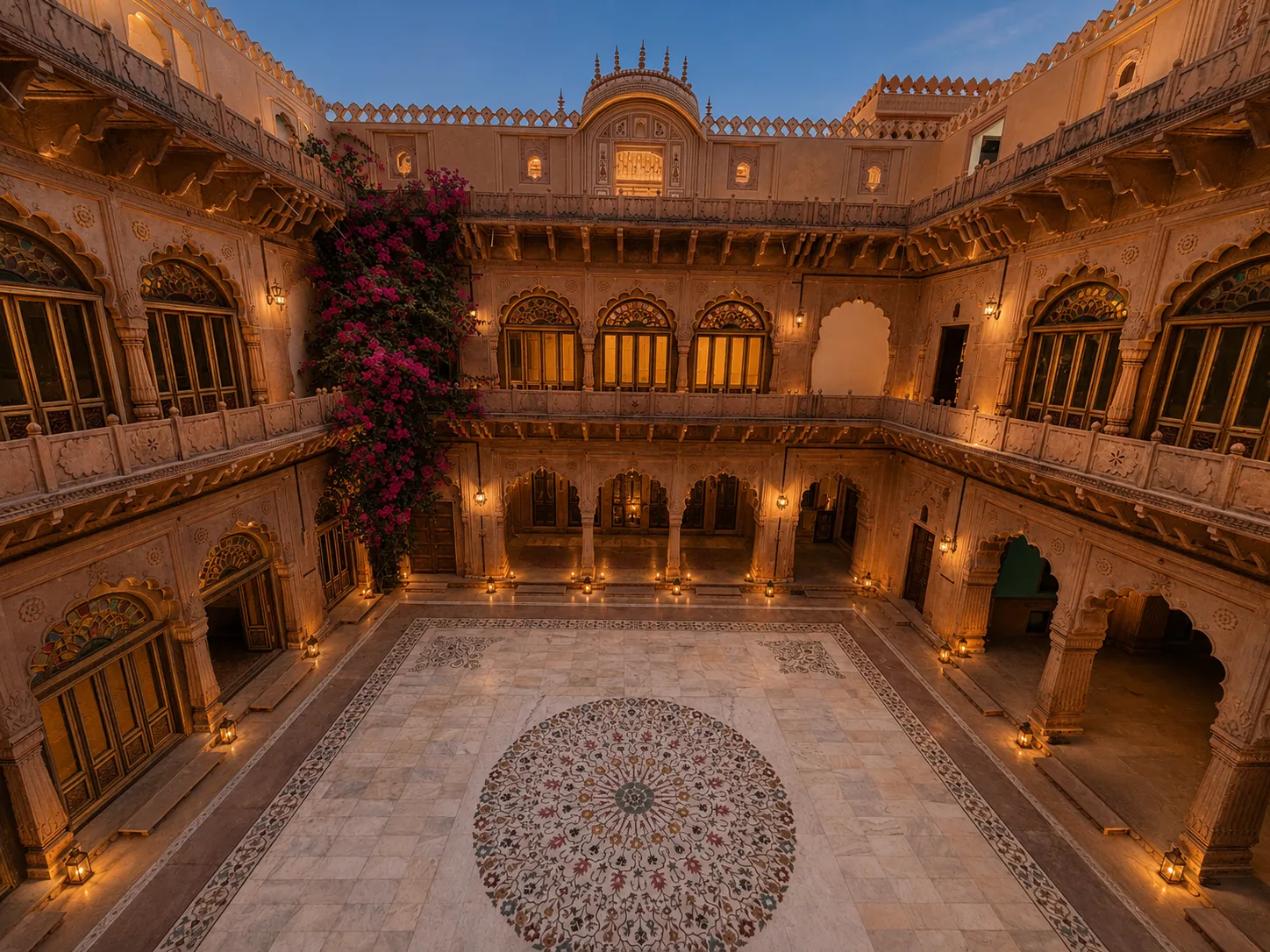
Mahal Khas Palace is situated within Lohagarh Fort, giving guests an opportunity to experience Bharatpur’s character even during periods when they are not sightseeing. Its courtyards, arches, decorative details and traditional design contribute to the atmosphere of the stay.
Travellers can learn more about the property’s background before arriving through the official About Mahal Khas Palace page. Understanding the context beforehand can help guests observe the building more carefully during their visit.
Historical dates, classifications and royal associations should always be understood through verified records rather than assumptions based only on the appearance of the property.
Day One: Arrive and Adjust to the Destination
The first day should not be overloaded with activities, particularly when guests have travelled by road or completed a long journey.
After arriving at Mahal Khas Palace, travellers can check in, settle into their rooms and become familiar with the property. Instead of immediately leaving for sightseeing, they can allow time to observe the architecture and understand the layout.
A comfortable first-day plan may include:
- Arrival and check-in
- Time to settle into the room
- A relaxed meal
- Exploration of accessible palace areas
- Rest during the afternoon
- A calm evening with family or companions
- An early night before the next day’s outing
This gentle schedule helps guests move mentally away from work, traffic and everyday responsibilities.
Visitors can review the available accommodation before their journey on the official rooms page. Room selection should be based on occupancy, accessibility, sleeping arrangements and personal requirements rather than appearance alone.
Day Two: Begin With Nature and Birdlife
Bharatpur is widely associated with birdlife, making a nature-focused morning a logical addition to a short itinerary. Travellers interested in visiting Keoladeo National Park should confirm current opening hours, entry procedures, seasonal conditions and transportation independently before arrival.
Starting early may help guests use the cooler part of the day, depending on the season. Bird movement and visitor conditions may also vary with weather and time of year.
A peaceful weekend near Keoladeo National Park does not need to involve an intensive birdwatching programme. First-time visitors can simply observe the wetland environment, notice different bird species and understand why the landscape is important.
Guests should carry suitable footwear, drinking water and season-appropriate clothing. Binoculars can improve the experience, while responsible observation helps protect the environment.
Visitors should avoid disturbing birds, leaving marked areas or treating the park only as a background for photographs. Nature experiences become more rewarding when travellers remain quiet, patient and attentive.
Return to the Palace Without Adding Another Major Excursion
After a morning outing, many travellers immediately move to another attraction. This can make the remainder of the day tiring.
A slower plan would bring guests back to Mahal Khas Palace for lunch, rest and time within the property. This break is particularly useful for families travelling with children, senior guests or anyone unaccustomed to early morning activity.
The afternoon can be used to:
- Rest in the room
- Enjoy an unhurried meal
- Review photographs from the morning
- Spend time in conversation
- Observe architectural details
- Learn more about Bharatpur’s history
- Prepare for a relaxed evening
A slow travel experience in Rajasthan is created by leaving space between activities. It does not require travellers to avoid sightseeing; it simply prevents every hour from becoming another scheduled task.
Use Palace Architecture as a Learning Experience
Guests do not need formal expertise in architecture to appreciate a palace environment. They can begin by noticing how spaces are organised and how design elements influence light, movement and atmosphere.
At Mahal Khas Palace, visitors may observe features such as courtyards, arches, domes, traditional details and decorative craftsmanship. Rather than treating these elements only as photographic backgrounds, guests can consider their practical and aesthetic roles.
Useful questions include:
- How does the courtyard connect different areas?
- Where does natural light enter?
- How do arches shape the visual experience?
- Which details appear functional and which appear decorative?
- How does the property’s layout differ from a modern hotel?
- How does the atmosphere change during the morning and evening?
Guests can also view the property’s visual character before arrival through the official gallery.
Images are helpful for initial planning, but the actual experience will depend on the selected room, current arrangements and areas accessible during the stay.
Make Dining Part of the Cultural Itinerary
Food should not be treated merely as a break between activities. A relaxed meal can introduce travellers to regional preferences while creating time to discuss the day.
Guests may ask which available dishes reflect local or regional influences, whether any preparations are seasonal and what options are suitable for children or senior family members.
The current menu, meal inclusions and dietary arrangements should be confirmed directly with the property. Travellers with allergies, medical restrictions or strong dietary preferences should communicate them before arrival.
Information about the property’s dining experience is available on the official dining page.
A cultural meal does not need to include unfamiliar food in every course. The most comfortable experience often combines regional exploration with options that suit the needs of the entire group.
Keep the Second Evening Unstructured
After spending the morning exploring and the afternoon resting, guests may be tempted to plan an elaborate evening. However, leaving this period relatively unstructured can make the trip feel more spacious.
Couples may enjoy a quiet dinner and conversation. Families can reflect on what each member noticed during the day. Solo travellers may use the evening for reading, photography review or simply observing the palace atmosphere.
The absence of a crowded programme is not a weakness. It gives travellers a chance to experience the destination without constantly preparing for the next departure.
Guests interested in any specific arrangement should discuss it with the property in advance rather than assuming it will automatically be available.
Day Three: Enjoy the Final Morning Before Departure
The final morning is often lost to hurried packing and repeated checking of departure plans. Travellers can avoid this by organising most of their luggage on the previous evening.
A calm final morning may include breakfast, a brief walk through the property and time to revisit a favourite architectural area. Guests can then check out without feeling that the stay ended abruptly.
Before departure, they should ensure that personal belongings, identification documents and travel arrangements are in order.
Anyone planning a later departure or additional meal should confirm applicable timings and charges beforehand. Current packages and inclusions may change, so they should never be assumed from older promotional material.
How Can Families Adapt This Itinerary?
Families should modify the schedule according to the ages and energy levels of their members.
Young children may require shorter sightseeing periods and earlier meal times. Teenagers may appreciate time to explore and photograph the surroundings. Senior members may prefer a comfortable morning followed by adequate rest.
Rather than forcing everyone to join every activity, families can identify one or two shared experiences. A meal, short palace exploration or nature outing can become the common part of the itinerary, while other periods remain flexible.
This approach helps different generations enjoy the same trip without following an identical schedule.
How Can Couples Use the Same Two-Night Plan?
Couples may prefer fewer scheduled activities and more private time. They can begin with a relaxed arrival, choose one major outing on the second day and reserve the remaining hours for dining, conversation and exploring the palace setting.
The experience becomes more meaningful when both travellers agree on the desired pace. One person may want detailed sightseeing while the other may value rest. Discussing priorities before the trip prevents either person from feeling rushed or restricted.
Practical Questions to Ask Before Booking
Before confirming a short stay, guests should ask Mahal Khas Palace:
- Which room categories are available?
- What meals are included in the selected package?
- What are the current check-in and check-out times?
- Can dietary requirements be accommodated?
- Which property areas are accessible to resident guests?
- Are any experiences available during the chosen dates?
- Can transportation guidance be provided?
- Are special arrangements available with advance notice?
- What are the cancellation and modification terms?
- Does an event affect access to any common area?
These questions help travellers create an accurate itinerary based on current information.
Conclusion
A meaningful visit to Bharatpur does not require an overloaded programme. Two thoughtfully planned nights can combine birdlife, cultural exploration, palace architecture, regional dining and genuine rest.
Mahal Khas Palace supports this style of travel by giving visitors a distinctive setting within Lohagarh Fort. Guests can use the property as part of the journey instead of treating it only as overnight accommodation.
The most successful plan leaves enough time to observe, eat comfortably and reflect on the destination. By choosing one important outing, exploring the palace environment and avoiding unnecessary schedule pressure, travellers can return home with a deeper and calmer impression of Bharatpur.