Family holidays often focus on entertainment, but travel can also help children understand history, architecture and nature in ways that textbooks cannot. Bharatpur is especially suitable for this approach because the destination brings together a powerful fort legacy, historic structures and internationally recognised natural surroundings.
The challenge is to keep the journey interesting without making it feel like a formal lesson. With the right accommodation and itinerary, parents can encourage curiosity while giving every family member enough time to relax.
Why Is Bharatpur Valuable for Young Travellers?
Children remember history more easily when they can connect it with a real place. Names, dates and architectural terms become more meaningful when they are seen within a fort or palace setting.
Bharatpur gives families an opportunity to discuss how cities were protected, how rulers influenced regional development and why historic buildings should be conserved.
The destination can also help children understand that heritage is not limited to decorative palaces. Fortifications, planning, materials and defensive structures tell equally important stories.
Staying at a heritage palace in Bharatpur can extend this learning beyond a short sightseeing visit by surrounding the family with a setting connected to the city’s past.
How Should Parents Introduce History to Children?
Parents do not need to deliver long historical explanations. Short questions are usually more effective.
They might ask:
- Why do you think the fort was built this way?
- Which materials appear to have been used?
- How is this palace different from a modern hotel?
- What could daily life have looked like here two centuries ago?
- Why should historic buildings be protected?
These questions encourage observation without turning the holiday into an examination.
Children can also keep a small travel notebook. They may sketch an architectural feature, write three new facts or record the most surprising part of the day.
Why Does the Choice of Accommodation Matter?
When families stay in a standard hotel, heritage learning usually stops once sightseeing ends. A historically connected property allows curiosity to continue naturally.
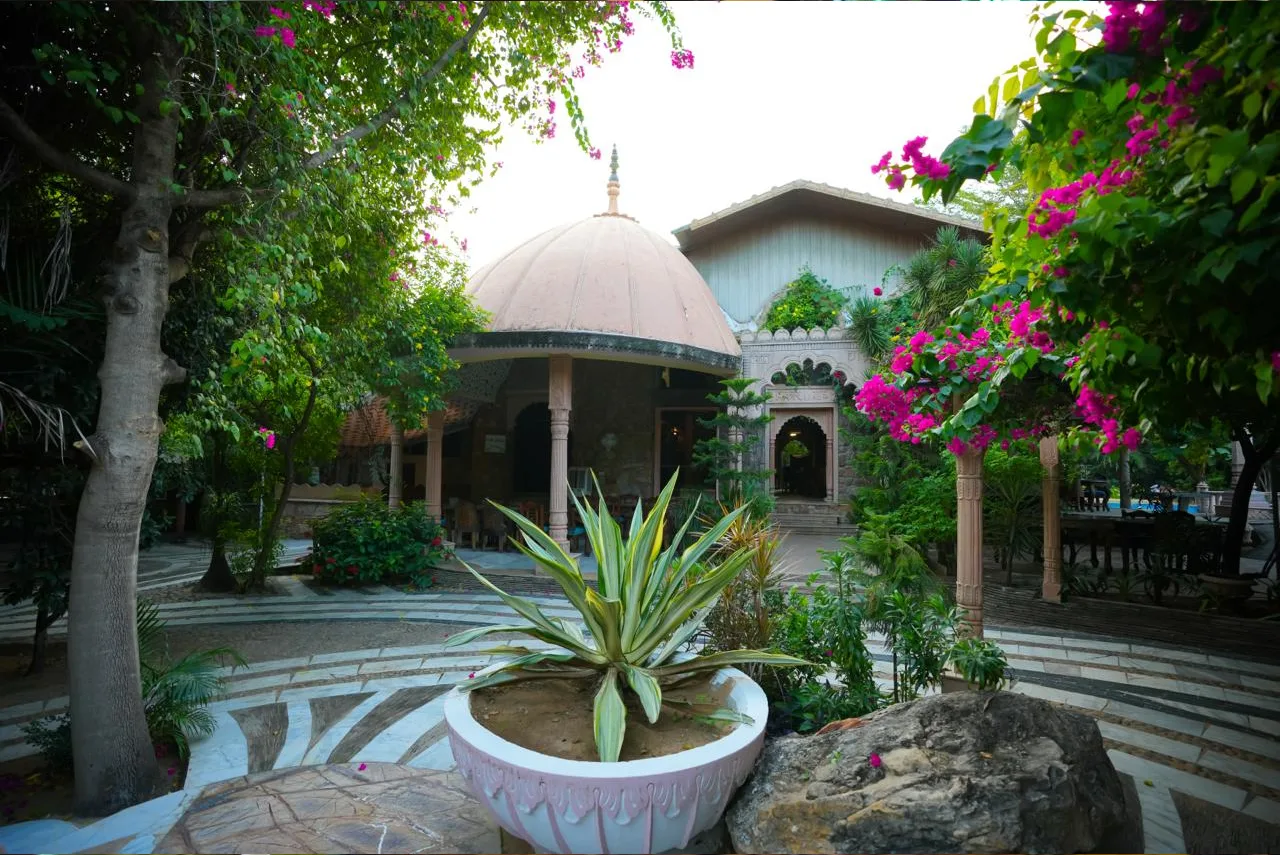
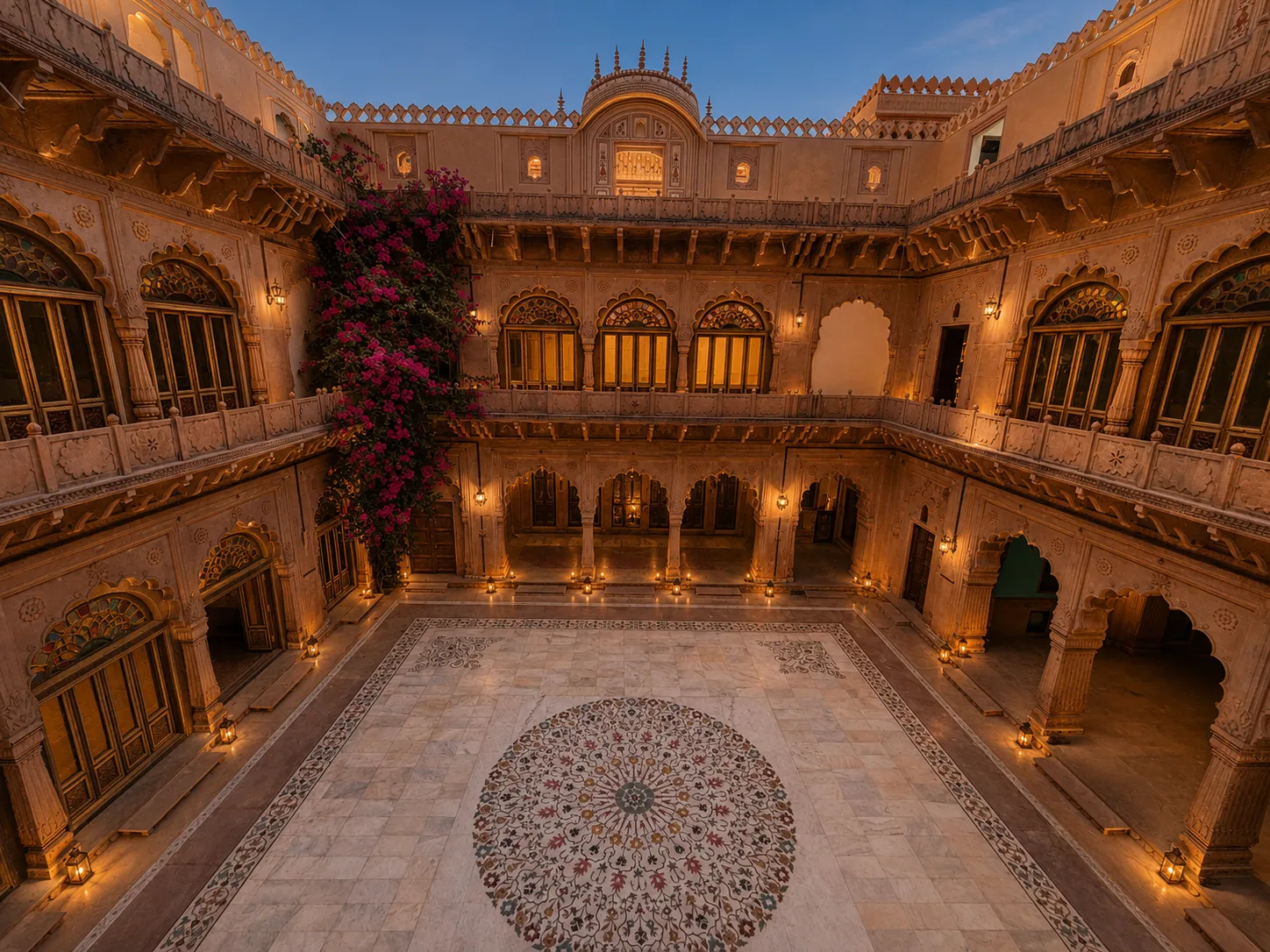
Mahal Khas Palace was built in 1826 and is situated inside Lohagarh Fort. Its location means families remain connected with Bharatpur’s heritage even during relaxed periods of the trip.
The property now functions as a 4-star heritage hotel with 84 rooms and suites. This combination allows travellers to experience a historic environment while arranging the practical parts of a family stay.
Accommodation becomes an educational setting without requiring scheduled lessons or formal programmes.
How Can Families Balance Heritage and Nature?
Bharatpur’s appeal is not limited to architecture. The destination is also strongly associated with birdlife and nature-based travel.
A balanced itinerary can introduce children to both human history and the natural world. One part of the journey may focus on fort architecture and the history of Bharatpur, while another can encourage observation of birds, habitats and seasonal environmental changes.
This variety keeps the holiday engaging. A child who becomes tired of historical information may respond enthusiastically to nature observation, while another may be more interested in buildings and stories.
Parents should check current timings, entry requirements and seasonal conditions from official sources before planning outdoor visits.
What Could a Two-Day Family Itinerary Look Like?
Day One: Arrival and Heritage Orientation
The family can arrive, settle into the palace and spend time understanding its historical context. Instead of immediately rushing to several attractions, parents can introduce the story of Lohagarh Fort and explain why the palace setting is important.
The evening can remain relatively relaxed. Children may record their first impressions or select a favourite architectural feature.
Day Two: Exploration and Observation
The second day can include one major heritage experience and one nature-oriented activity, depending on the season, weather and energy levels of the group.
Sufficient rest should be included between activities. Parents should remember that children and grandparents may not maintain the same pace.
A thoughtful itinerary leaves space for conversation after each experience rather than moving immediately to the next location.
How Can Grandparents Contribute to the Experience?
Grandparents can make heritage travel especially meaningful. They may share family memories, explain how travel has changed or connect historical stories with experiences from their own lives.
Children often respond differently to personal storytelling than to formal historical information. A grandparent’s perspective can make the trip feel emotionally connected to the family.
The itinerary should also respect senior travellers’ comfort. Walking requirements, rest breaks, medicines and accessibility needs must be considered in advance.
Families seeking a family hotel in Bharatpur should communicate any mobility or room-location requirements directly before confirming the reservation.
Should Children Use Phones During the Trip?
Phones can support learning when used with purpose. Children may photograph architectural details, record observations or identify birds using an appropriate educational resource.
The problem begins when the screen replaces observation. Parents can create specific phone-free periods during meals, conversations and important sightseeing moments.
One useful approach is to assign a photography task. Children may be asked to capture:
- One example of symmetry
- One historic architectural detail
- One natural element
- One complete family photograph
- One scene that represents Bharatpur to them
This gives technology a clear role without allowing it to dominate the holiday.
How Does Mahal Khas Palace Support the Heritage Theme?
Mahal Khas Palace gives families an authentic historical context for their Bharatpur stay. Because the palace dates to 1826 and is located inside Lohagarh Fort, it does not feel disconnected from the destination’s story.
Children can observe how a heritage setting differs from a newly constructed hotel. Parents can use the surroundings to begin conversations about conservation, architecture and regional history.
The palace also provides enough accommodation capacity for families and larger groups, subject to current availability.
Travellers researching a historic hotel in Bharatpur should confirm current room categories, inclusions and booking policies directly with the property.
What Should Families Pack?
Packing should reflect the season and itinerary. Useful items may include:
- Comfortable walking footwear
- Weather-appropriate clothing
- Sun protection
- Reusable water bottles
- Essential medicines
- Binoculars for nature observation
- A small notebook for children
- Phone or camera with sufficient storage
Families should check the latest weather forecast before departure and adapt outdoor plans accordingly.
Frequently Asked Questions
Can a heritage holiday remain enjoyable for children?
Yes. It becomes enjoyable when parents use stories, questions, sketches and observation activities instead of giving lengthy explanations. Adequate rest and variety are equally important.
Why stay in a heritage property during an educational trip?
A heritage stay keeps the family connected with the destination’s history even outside formal sightseeing hours. The building and surroundings become part of the learning experience.
Is Bharatpur suitable for a multigenerational family trip?
Yes, provided that the itinerary considers walking requirements, rest periods and the comfort of children and senior guests.
How can parents combine history and nature in one journey?
They can dedicate separate parts of the itinerary to fort heritage and nature observation. This variety helps different family members remain interested without overcrowding the schedule.
Conclusion
An educational family holiday should encourage curiosity without becoming exhausting. Bharatpur gives parents an opportunity to introduce children to history, architecture, conservation and nature through real experiences.
Mahal Khas Palace strengthens this journey by allowing families to stay within a historic fort environment. When sightseeing, storytelling and relaxation are balanced thoughtfully, the trip can become both enjoyable and intellectually meaningful for every generation.