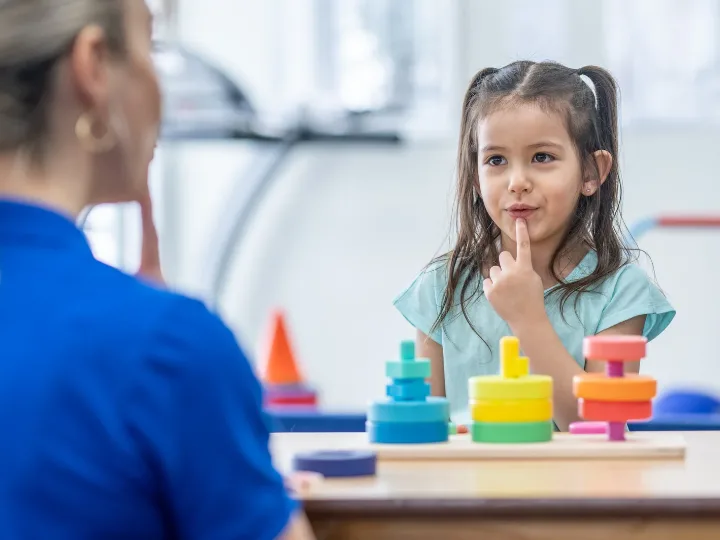
Every child develops at their own pace, with unique strengths, interests, and areas where additional support may help. Autism specialists can help children build essential skills through personalised strategies that reflect their developmental needs. By understanding each child’s communication style, sensory preferences and learning abilities, professionals can create supportive environments that encourage independence, confidence and meaningful participation in everyday activities.
Understanding Each Child’s Developmental Needs
Children communicate, learn, and interact with the world around them in different ways. Some may need support with social communication, while others may experience sensory sensitivities, emotional regulation challenges or difficulties with daily routines.
When supporting autism in children, professionals consider the child’s existing abilities alongside areas that may require further development. Observations, family discussions and developmental assessments can help identify appropriate goals without placing unnecessary pressure on the child.
Recognising Individual Strengths
Understanding a child’s interests and capabilities provides a foundation for effective support. Activities can be adapted to match their preferred learning styles, helping them engage more comfortably and develop new skills through familiar experiences.
Creating Personalised Development Plans
A personalised development plan focuses on realistic goals that suit the child’s abilities, preferences and everyday circumstances. Rather than following a standard approach, professionals adapt their strategies according to the child’s progress and changing needs.
Setting Meaningful Goals
Developmental goals may include improving communication, strengthening motor skills, building independence or participating more comfortably in social situations.
Regular reviews help families and professionals identify effective strategies and adjust as needed. This flexible approach supports development while respecting the child’s individual pace.
Supporting Communication and Social Skills
Communication can involve spoken language, gestures, visual supports, written words or alternative communication systems. Professionals can explore suitable methods that help children express their needs, preferences and feelings.
Encouraging Positive Interactions
Structured activities, visual schedules and role-play can help children practise everyday interactions in a supportive environment. These strategies may encourage turn-taking, shared interests and understanding of social situations.
Support should respect different communication styles rather than expecting every child to communicate in the same way. Creating opportunities for meaningful interaction can help children feel understood and included.
Addressing Sensory and Emotional Needs
Some children experience heightened sensitivity to sounds, lights, textures or busy environments. Others may find unexpected changes and unfamiliar situations difficult to manage.
Professionals can identify potential triggers and suggest practical adjustments, such as quiet spaces, predictable routines or sensory-friendly activities. These changes may help children feel more comfortable and participate in daily experiences.
Emotional regulation support can also involve recognising feelings, communicating discomfort and practising calming strategies. Families can reinforce these approaches at home to provide consistency across different environments.
Working Together With Families
Parents and caregivers understand their child’s preferences, routines and responses to everyday situations. Their observations can help professionals develop practical, relevant strategies for family life.
Regularly sharing progress, discussing challenges, and reviewing goals can improve consistency between home, school, and support settings. Collaboration also helps families understand which approaches may be useful and how to encourage skill development without creating unnecessary pressure.
Frequently Asked Questions
1. What Do Autism Specialists Help Children With?
They may support communication, social interaction, sensory needs, emotional regulation, motor development and everyday independence, depending on each child’s individual requirements.
2. How Is Individualised Support Planned?
Support may be based on developmental assessments, family observations, the child’s strengths and specific goals. Plans are reviewed as needs and abilities change.
3. Can Parents Participate in Developmental Support?
Yes. Parents can share observations, practise suitable strategies at home and communicate with professionals about their child’s progress and challenges.
4. How Can Sensory Needs Be Supported?
Adjustments such as quieter spaces, predictable routines and suitable sensory activities may help children manage their surroundings more comfortably.
5. When Should Parents Seek Professional Guidance?
Parents may consider seeking guidance when they have concerns about communication, social interaction, sensory responses or everyday skills. Early discussion can help identify appropriate assessments and support options.