Introduction
The digital economy is evolving at an unprecedented pace, reshaping how brands interact with customers, create value, and generate revenue. Traditional business models based solely on physical products, standard eCommerce, and one-way marketing are no longer sufficient to meet modern consumer expectations. Today’s audiences demand personalization, exclusivity, transparency, and meaningful digital experiences.
Blockchain technology and Non-Fungible Tokens (NFTs) have emerged as transformative tools enabling brands to meet these expectations. NFTs introduce verifiable digital ownership, scarcity, and authenticity into the online world, allowing brands to create digital assets with real economic value. From collectibles and memberships to virtual goods and exclusive access, NFTs are redefining how brands monetize digital engagement.
However, while the potential is significant, building and managing an NFT marketplace from scratch can be complex, expensive, and time-intensive. This challenge has led many organizations to adopt white label NFT marketplaces as a practical and scalable alternative.
A white label NFT marketplace empowers brands to:
- Launch a fully branded NFT platform without complex in-house development
- Create, distribute, and monetize digital assets under their own identity
- Maintain full control over user experience, pricing, and data
- Generate recurring revenue through royalties and secondary market activity
- Build long-term communities around digital ownership and exclusivity
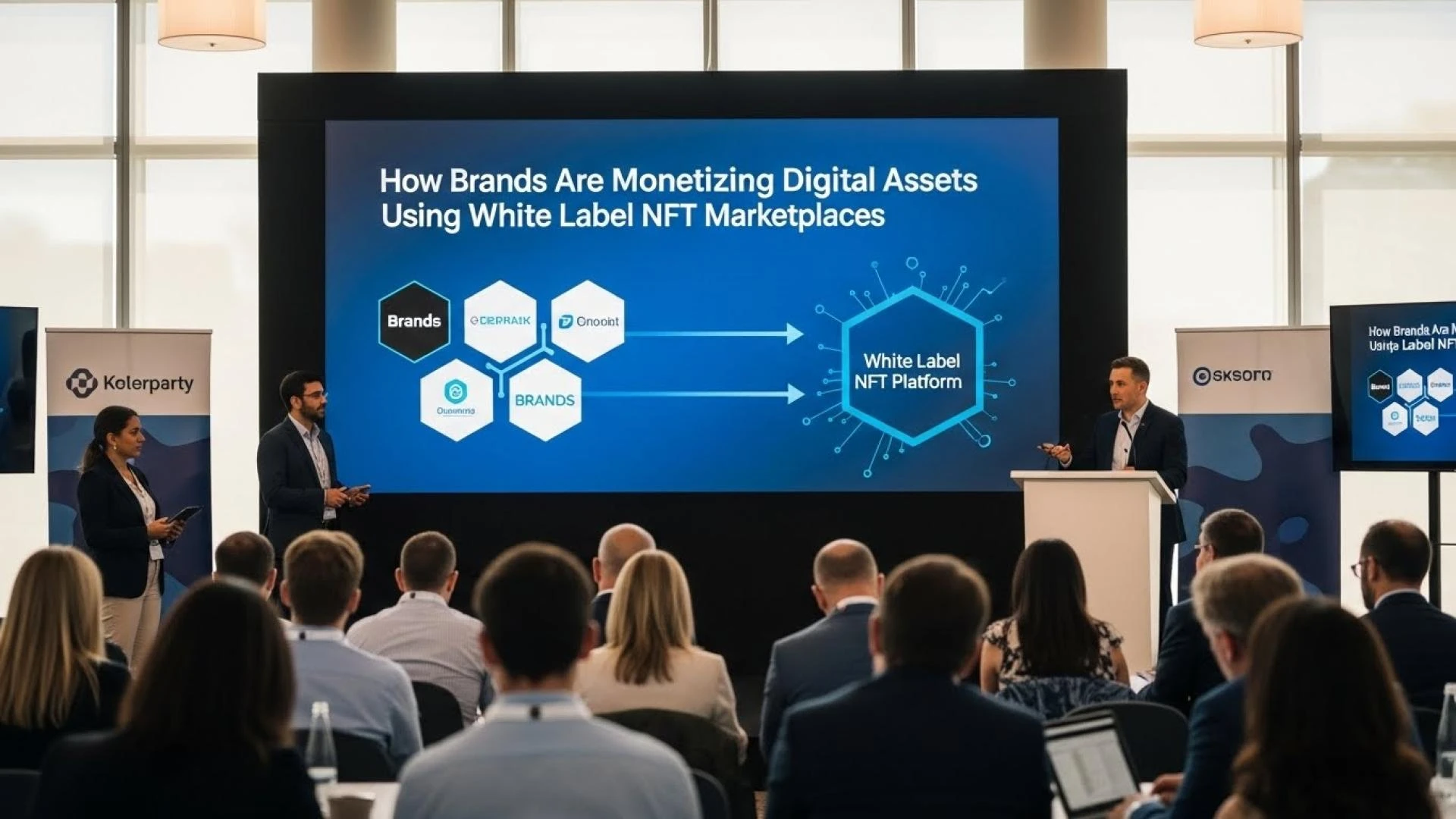
This article provides an in-depth exploration of how brands are monetizing digital assets using white label NFT marketplaces. It covers monetization strategies, business benefits, industry applications, and the strategic role of white label NFT marketplace development in building sustainable, future-ready digital ecosystems.
Understanding Digital Asset Monetization for Brands
Digital asset monetization refers to the process of generating revenue from blockchain-based assets such as NFTs, digital collectibles, virtual goods, tokenized memberships, and exclusive digital content. Unlike traditional digital files that can be duplicated endlessly, NFTs are unique, traceable, and verifiable on the blockchain.
For brands, this uniqueness creates a powerful value proposition. NFTs introduce scarcity and authenticity into digital offerings, enabling brands to price assets based on exclusivity and demand rather than volume alone. More importantly, NFTs enable long-term monetization through secondary market transactions and utility-based access models.
Key principles of digital asset monetization include:
- Designing limited-supply assets to increase desirability
- Attaching real utility or benefits to NFT ownership
- Enabling peer-to-peer trading with automated royalty mechanisms
- Retaining brand control over pricing, presentation, and customer experience
White label NFT marketplace solutions provide brands with the infrastructure needed to implement these principles effectively while maintaining full ownership of their platforms.
Why Brands Are Choosing White Label NFT Marketplaces
Brands entering the NFT space must decide whether to rely on third-party platforms or build proprietary infrastructure. Increasingly, brands are choosing white label NFT marketplaces because they offer a balance of speed, control, and scalability.
Full Brand Ownership and Control
A white label NFT marketplace operates entirely under the brand’s identity. Visual design, tone, user flows, and communication are fully customizable, ensuring consistency with brand values and messaging.
Faster Time to Market
White label NFT marketplace development significantly shortens launch timelines. Brands can deploy NFT platforms in weeks rather than months, allowing them to capitalize on market opportunities and consumer interest.
Cost-Effective Development
Building a marketplace from scratch requires extensive investment in blockchain development, security audits, and ongoing maintenance. White label solutions reduce upfront costs and operational complexity.
Scalability and Long-Term Flexibility
White label platforms are built to scale. Brands can start with basic NFT offerings and gradually expand into advanced monetization models, new blockchains, and additional features as their ecosystem grows.
Core Monetization Strategies Brands Use With White Label NFT Marketplaces
White label NFT marketplaces enable brands to implement multiple monetization strategies simultaneously, creating diversified and sustainable revenue streams.
Limited-Edition Digital Collectibles
Selling limited-edition digital collectibles is one of the most common NFT monetization strategies. These collectibles may include digital artwork, branded visuals, animations, virtual merchandise, or commemorative assets tied to campaigns or events.
Scarcity plays a central role in this model. Brands control supply, pricing, and distribution through their own marketplace, while blockchain transparency ensures authenticity. Collectibles often appreciate in value over time, driving secondary market activity and royalties.
This strategy is widely adopted by fashion, lifestyle, entertainment, and sports brands seeking to create hype and exclusivity.
Tokenized Loyalty and Membership Programs
Traditional loyalty programs often suffer from low engagement and limited perceived value. NFTs introduce a new paradigm by transforming loyalty into a tradable, ownership-based asset.
Brands issue NFT-based memberships that unlock benefits such as:
- Early access to new products and collections
- Invitations to exclusive events and experiences
- Special discounts and rewards
- Access to private online or offline communities
Using a white label NFT marketplace, brands can manage issuance, upgrades, and transfers seamlessly. Because these NFTs can be resold, they often hold greater long-term value than traditional points-based systems.
NFT-Based Product Authentication and Provenance
Luxury and premium brands are increasingly using NFTs as digital certificates of authenticity. Each physical product is paired with an NFT that verifies ownership, origin, and transaction history.
White label NFT marketplaces allow brands to manage these certificates while enabling secure secondary market trading. Smart contracts ensure brands earn royalties on every resale, creating ongoing revenue while strengthening trust and transparency.
This approach also helps combat counterfeiting and reinforces brand credibility.
Royalties From Secondary Market Transactions
One of the most powerful features of NFTs is automated royalty distribution. Brands can embed royalty percentages directly into smart contracts, ensuring revenue from every resale.
By operating their own white label NFT marketplace, brands can encourage secondary trading within their ecosystem, maximizing royalty income and gaining valuable insights into asset performance and customer behavior.
Virtual Goods and Metaverse Assets
As virtual environments, games, and metaverse platforms expand, brands are monetizing digital fashion, accessories, avatars, and virtual real estate. These assets are represented as NFTs and traded through brand-owned marketplaces.
White label NFT marketplaces support multi-chain compatibility and interoperability, making them suitable for integration with gaming engines and metaverse platforms.
Exclusive Content and Digital Experiences
Brands are increasingly monetizing access rather than ownership alone. NFTs can unlock premium digital experiences such as behind-the-scenes content, live sessions, digital art drops, music releases, and interactive storytelling.
A white label NFT marketplace enables brands to manage access rights, bundle content, and create tiered ownership experiences that enhance engagement and lifetime value.
Brand Collaborations and Co-Branded NFT Drops
Collaborations between brands, artists, influencers, and creators generate excitement and expand reach. Co-branded NFT drops often achieve higher engagement due to combined audiences and shared storytelling.
White label NFT marketplaces allow transparent management of collaborations, including revenue sharing, intellectual property rights, and royalty distribution.
Strategic Role of White Label NFT Marketplace Development
White label NFT marketplace development is not just a technical decision; it is a strategic investment in long-term digital growth.
Customized User Journeys
Brands can design onboarding, discovery, and purchasing experiences aligned with marketing objectives and customer expectations.
Data Ownership and Analytics
Operating a proprietary marketplace gives brands access to detailed insights into user behavior, preferences, and transaction patterns, supporting data-driven strategy.
Platform Evolution and Innovation
White label solutions are extensible, enabling brands to adopt new blockchains, integrate Web3 tools, and introduce new monetization models over time.
Industry Applications of NFT Monetization
Brands across sectors are leveraging NFTs in unique ways:
- Fashion brands monetize digital wearables and exclusivity
- Sports teams sell collectibles and fan experiences
- Media companies offer premium content and memberships
- Retail brands enhance loyalty programs through NFTs
Security, Compliance, and Trust
Trust is essential for brand-led NFT platforms. White label NFT marketplaces include:
- Audited smart contracts
- Secure wallet integrations
- Encrypted data storage
- Fraud prevention mechanisms
Partnering with a reliable white label NFT marketplace development company ensures compliance, security, and platform stability.
Choosing the Right White Label NFT Marketplace Development Company
Selecting the right development partner is critical to success.
Key evaluation criteria include:
- Proven experience in white label NFT marketplace development
- Customization and scalability capabilities
- Multi-blockchain expertise
- Post-launch support and maintenance
- Strong security and compliance standards
Experienced white label NFT marketplace service providers act as long-term technology partners rather than short-term vendors.
Future Outlook for Brand NFT Monetization
NFT monetization strategies will continue to evolve alongside Web3 adoption.
- Utility-driven NFTs will become standard
- Marketplaces will integrate with broader Web3 ecosystems
- Personalization and AI will enhance engagement
White label NFT marketplace solutions provide the flexibility brands need to adapt to these changes.
Conclusion
Brands are redefining digital value creation by leveraging NFTs for engagement, exclusivity, and recurring revenue. White label NFT marketplaces enable brands to participate in this transformation without the complexity of building platforms from scratch.
By adopting white label NFT marketplace development, brands can:
- Launch branded NFT platforms efficiently
- Monetize digital assets through diverse revenue models
- Retain control over branding, data, and customer experience
- Earn long-term revenue through royalties and secondary markets
- Build loyal communities around digital ownership
With the support of an experienced white label NFT marketplace development company and trusted white label NFT marketplace service providers, brands can build secure, scalable, and future-ready NFT ecosystems.
As digital ownership becomes a cornerstone of modern commerce, white label NFT marketplaces stand out as a strategic foundation for sustainable growth in the Web3-driven economy.