How Does Body Gua Sha Help with Muscle Tension and Pain Relief?
You know that feeling when your shoulders stay tight no matter how much you stretch, or when a deep ache settles into your back after a long day. Muscle tension builds quietly and then suddenly starts affecting how you move, sleep, and even think.
Many people turn to massage or painkillers, but these often provide only temporary relief. This is where body Gua Sha comes in. It is a time tested technique that is gaining attention for its ability to address tension at a deeper level.
What Is Body Gua Sha?
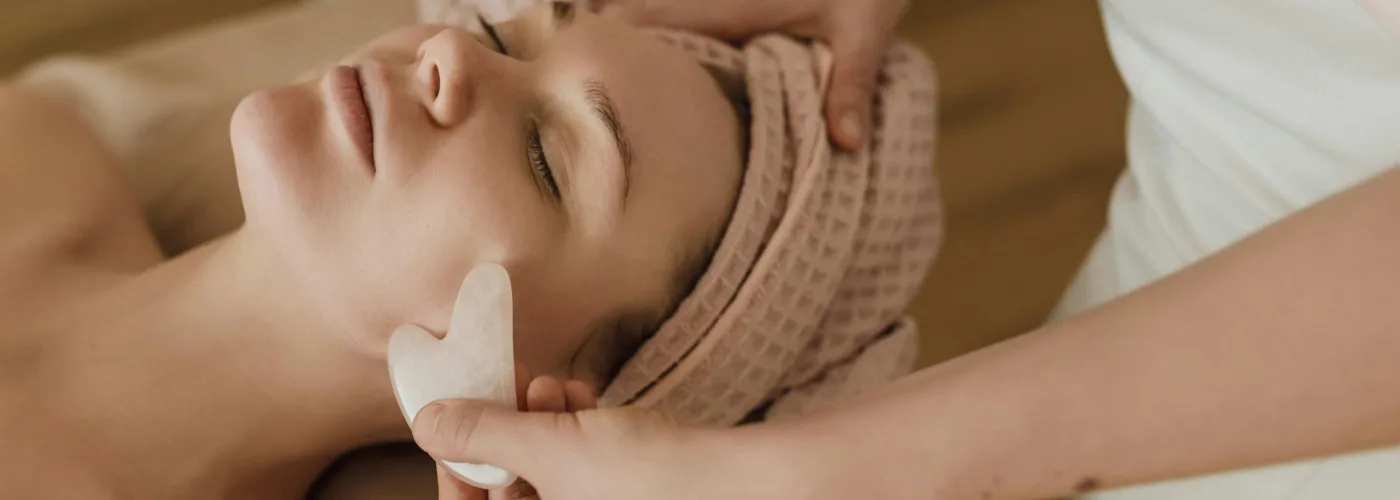
Body Gua Sha is a traditional East Asian therapy that involves gently scraping the skin with a smooth edged tool. While it might sound simple, the technique is carefully designed to stimulate circulation, release tight fascia, and encourage the body's natural healing processes.
Unlike a typical massage, Gua Sha works by breaking up stagnation in the soft tissue. This stagnation is often what causes that heavy, stuck feeling in your muscles.
Why Muscle Tension Builds Up
Before understanding how Gua Sha helps, it is important to know why tension happens in the first place.
Modern lifestyles play a big role. Sitting for long hours, repetitive movements, stress, and even emotional strain can cause muscles to tighten and stay that way. Over time, this leads to reduced blood flow, inflammation, and ongoing discomfort.
When muscles are not getting enough circulation, they cannot repair properly. This is where therapies like Gua Sha can make a noticeable difference.
How Gua Sha Helps Relieve Pain
Gua Sha works through several mechanisms that directly target the root of muscle tension.
First, it increases microcirculation in the treated area. This means more oxygen and nutrients reach the muscles, helping them relax and recover faster.
Second, it helps release fascial restrictions. Fascia is the connective tissue that surrounds muscles, and when it becomes tight, it can limit movement and cause pain. Gua Sha gently loosens this layer.
Third, it activates the lymphatic system. This helps clear out metabolic waste and inflammation that often contribute to soreness.
Many people notice a warm sensation during treatment, followed by a sense of lightness and reduced stiffness.
What Does It Feel Like?
During a session, the practitioner applies oil to the skin and uses a smooth tool to glide over targeted areas. The pressure can be adjusted based on your comfort level.
You might notice temporary redness or markings on the skin. These are completely normal and usually fade within a few days. They are a sign that circulation has been activated in areas that needed attention.
A Personalized Approach to Healing
At AKARA Acupuncture and Integrative Medicine, body Gua Sha is not used in isolation. It is part of a broader, personalized treatment plan designed to address the root cause of discomfort.
Practitioners like Lauren Dunn, L.Ac. and Dr. Yen Man, L.Ac., DAIM bring over 30 years of combined experience in integrative care. Their approach blends traditional techniques with a modern understanding of the body.
For someone dealing with chronic muscle tension, Gua Sha may be combined with acupuncture, cupping, or herbal medicine to support deeper healing. This layered approach often leads to longer lasting relief compared to single method treatments.
Beyond Pain Relief
While Gua Sha is widely known for easing muscle tension, its benefits go further.
It can support sports injury recovery by improving tissue repair. It helps regulate the nervous system, which is especially useful when stress is contributing to tight muscles. Many patients also report improved energy levels and better overall mobility.
When used consistently, it becomes part of a preventative care routine rather than just a quick fix.
Why Integrative Medicine Matters
Pain is rarely just physical. It often reflects imbalances in the body that call for a more holistic approach.
Clinics offering acupuncture in San Francisco are increasingly focusing on integrative medicine, where therapies like Gua Sha, acupuncture, and cosmetic acupuncture work together to support the whole person.
At AKARA Acupuncture and Integrative Medicine, the goal is not just to reduce symptoms but to help the body function better as a whole. This includes improving circulation, balancing hormones, supporting skin health, and restoring natural energy flow.
Is Gua Sha Right for You?
If you experience chronic tightness, soreness after workouts, or stress related tension, Gua Sha may be worth exploring.
It is especially helpful for people who feel like their muscles never fully relax, even after rest.
The key is working with experienced practitioners who understand how to tailor the treatment to your specific needs.
A Gentle Step Toward Relief
Muscle pain does not always need aggressive solutions. Sometimes the body responds best to therapies that encourage it to heal naturally.
Gua Sha offers a simple yet powerful way to release tension, improve circulation, and restore balance. When combined with a thoughtful, personalized approach, it can make a meaningful difference in how your body feels day to day.
If you are looking for a more holistic way to manage pain, exploring integrative care could be a step in the right direction.
Frequently Asked Questions
1. Does Gua Sha hurt during treatment? Gua Sha is generally comfortable. You may feel firm pressure, but it is adjusted to your tolerance. Most people find it relieving rather than painful.
2. How often should I get Gua Sha for muscle tension? This depends on your condition. Some people benefit from weekly sessions, while others may need it less frequently as their symptoms improve.
3. Are the marks left by Gua Sha harmful? No, the marks are temporary and indicate increased circulation. They usually fade within a few days.
4. Can Gua Sha help with chronic pain conditions? Yes, it can be effective for chronic muscle pain, especially when combined with therapies like acupuncture and cupping.
5. Is Gua Sha suitable for athletes? Absolutely. It is commonly used for sports injury recovery and muscle maintenance, helping improve flexibility and reduce soreness.