In today’s competitive hospitality industry, creating memorable experiences is no longer optional, it’s essential. Guests now seek more than just a comfortable stay; they crave spaces that evoke emotion, tell a story, and reflect the personality of the brand. The design of a hospitality environment plays a pivotal role in shaping these experiences, influencing how guests feel, interact, and remember their time in a hotel, resort, or restaurant.
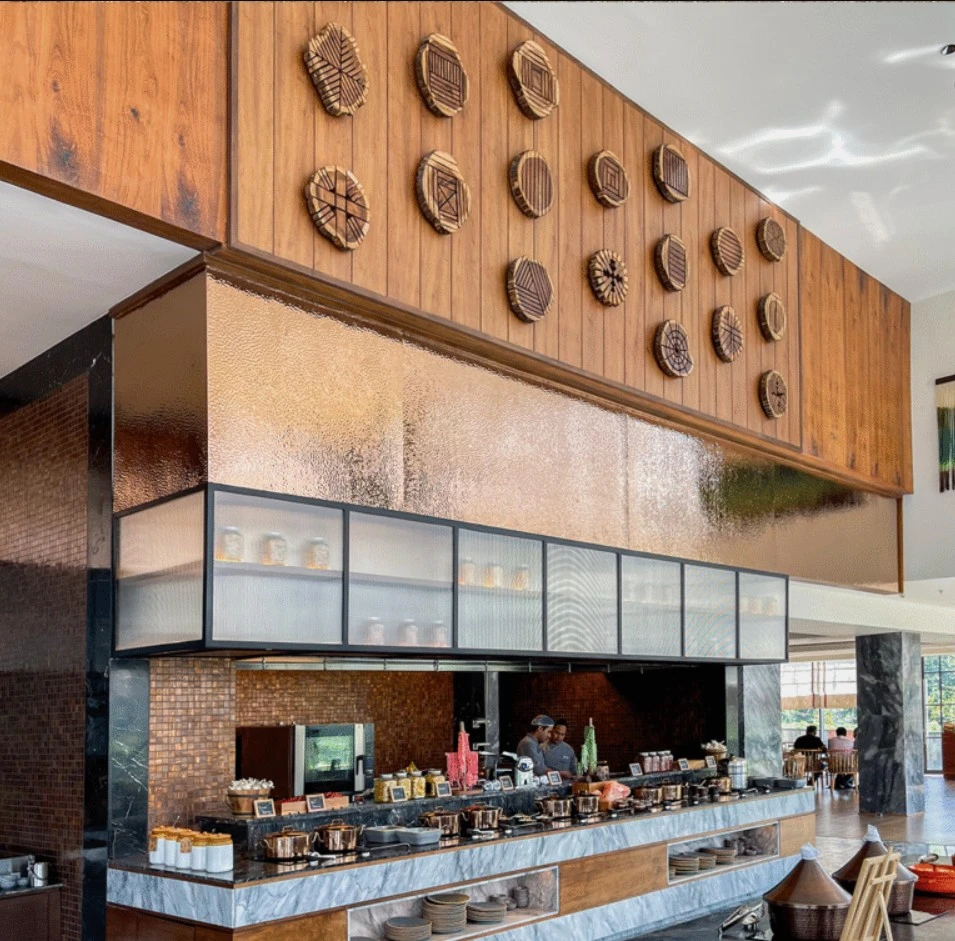
Bespoke hospitality design takes this concept even further by crafting spaces that are uniquely tailored to both the brand and the needs of its guests. Unlike standard, one-size-fits-all designs, bespoke hospitality solutions carefully merge aesthetics, functionality, and storytelling. Every detail from materials and lighting to furniture layout and sensory touches is thoughtfully considered to create an immersive, memorable experience that resonates long after guests leave.
What Is Bespoke Hospitality Design?
Bespoke hospitality design ensures that every element of a space contributes to the overall guest journey. It focuses on personalization, combining visual appeal with practical functionality, to create environments that feel both welcoming and remarkable.
5 Ways Bespoke Hospitality Design Enhances Guest Experience
1. Creating Emotional Connections
One of the most significant ways bespoke design enhances guest experience is through emotional engagement. A space that tells a story whether through local cultural references, art installations, or unique design motifs, invites guests to connect deeply with their surroundings. They don’t just occupy a room; they become part of a journey. Thoughtful touches such as ambient lighting, curated scents, and tactile textures contribute to a multi-sensory experience that resonates long after checkout.
2. Enhancing Functionality and Comfort
Functionality is a cornerstone of bespoke hospitality design. Spaces are intuitively designed to meet guests’ needs without compromising style. For example, lobbies can encourage social interaction, restaurant layouts can balance privacy with energy, and guestrooms can seamlessly integrate technology with relaxation. This thoughtful planning makes stays more convenient, enjoyable, and stress-free.
3. Reflecting Brand Identity
Bespoke design reinforces the identity of the hospitality brand. Every visual and spatial element communicates the property’s story and values. Guests are more likely to remember and recommend hotels or resorts that feel authentic and distinctive. In today’s social media-driven world, these personalized touches not only enhance the guest experience but also serve as subtle marketing tools.
4. Incorporating Local Culture and Sustainability
Another powerful aspect of bespoke hospitality design is its ability to integrate local culture and sustainable practices. Using locally sourced materials, artisan craftsmanship, and eco-friendly solutions adds authenticity while demonstrating environmental responsibility. Guests increasingly value experiences that connect them to the destination and align with their ethical expectations, making these design choices both impactful and memorable.
5. Adapting to Changing Trends
Finally, bespoke design ensures spaces remain adaptable and future-ready. Unlike standardized layouts, bespoke hospitality environments can evolve with trends, technology, and guest preferences. Regular updates or modular design elements keep the experience fresh and relevant, ensuring guests return for something new while still enjoying the familiar comfort and personality of the brand
Conclusion
Bespoke hospitality design goes far beyond aesthetics , it is a strategic approach to creating meaningful, memorable, and functional experiences for guests. By combining personalization, emotional resonance, brand storytelling, local culture, sustainability, and adaptability, it transforms ordinary stays into extraordinary journeys. For hospitality operators, investing in bespoke design is not just about standing out; it’s about building loyalty, enhancing guest satisfaction, and crafting spaces that guests will want to return to time and again.