
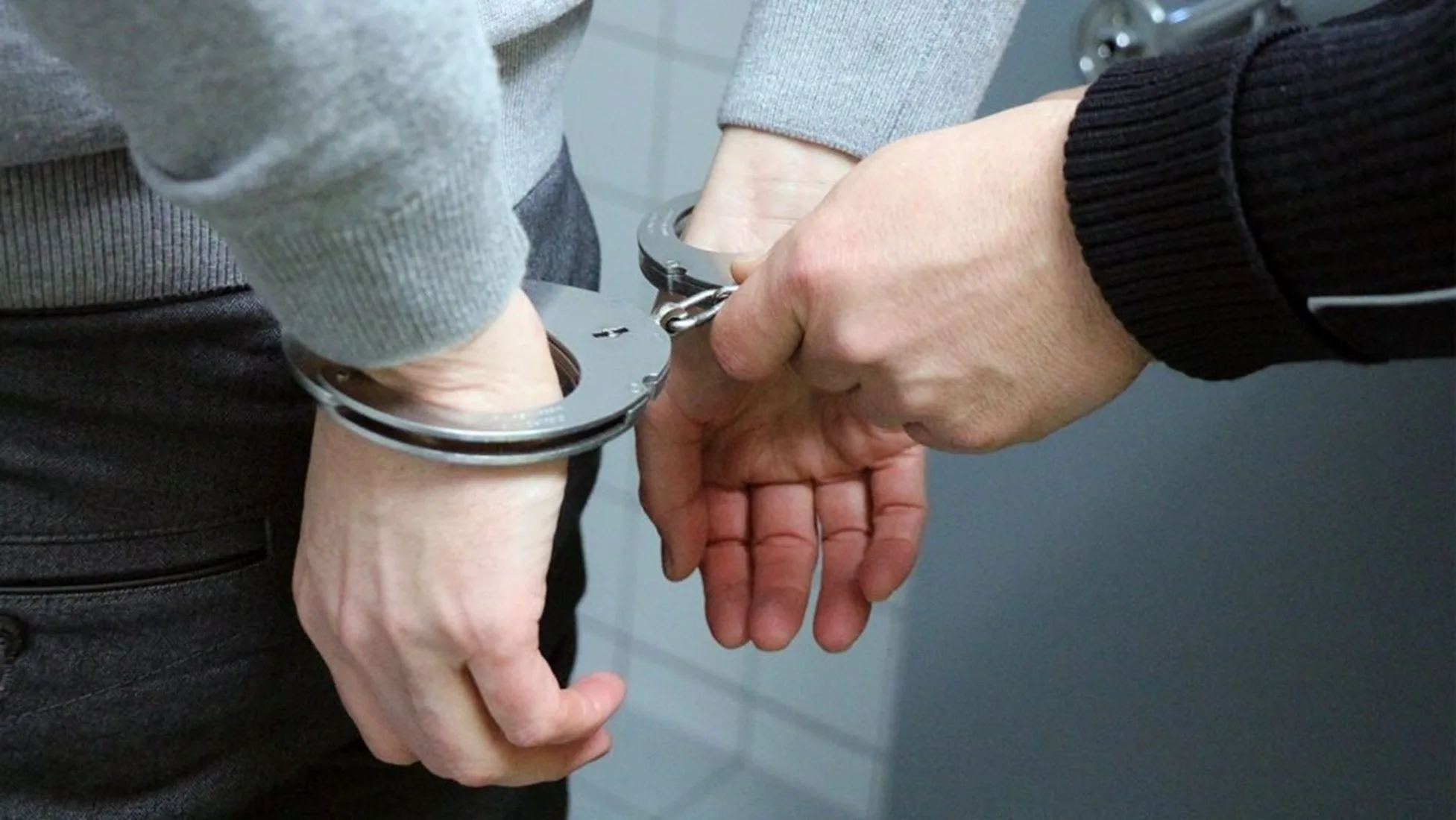
Understanding legal responsibilities is essential for anyone living in or visiting Louisiana. Whether you are dealing with an arrest situation or simply driving through the state, knowing your rights and obligations can help you avoid costly mistakes. Legal systems often appear complicated, but gaining basic knowledge about criminal procedures and state laws can make a significant difference when facing unexpected circumstances.
One area that frequently causes confusion is how does a bail bondsman work. When an individual is arrested, a court may set a bail amount that allows the person to be released while awaiting trial. However, many people cannot afford to pay the full bail amount themselves. This is where a bail bondsman becomes an important part of the legal process, helping defendants secure temporary freedom until their court dates.
Understanding the Bail System
The bail system exists to ensure that defendants return to court while allowing them to remain outside of jail during legal proceedings. After an arrest, a judge evaluates several factors, including the severity of the alleged crime, criminal history, and flight risk before determining a bail amount. If the defendant pays the entire amount, the money is generally returned after court obligations are fulfilled.
For those unable to afford the full amount, understanding how does a bail bondsman work becomes critical. A bail bondsman typically charges a non-refundable fee, usually a percentage of the total bail amount. In exchange, the bondsman guarantees payment of the full bail to the court if the defendant fails to appear. This arrangement enables individuals to secure release without having to produce the entire bail amount upfront.
Responsibilities After Posting Bail
Being released on bail does not mean legal obligations disappear. Defendants must comply with all court orders and attend every scheduled hearing. Missing a court appearance can result in severe consequences, including the forfeiture of the bond and the issuance of an arrest warrant.
In addition to attending court, defendants may face travel restrictions, regular check-ins, or other conditions established by the judge. Violating these conditions can lead to revocation of bail and immediate detention until the case is resolved. Therefore, understanding the responsibilities associated with bail is just as important as securing release.
An Overview of Louisiana Open Container Regulations
Another legal topic that residents and visitors should understand is the louisiana open container law. Open container regulations are designed to reduce impaired driving and improve road safety. These laws prohibit drivers from possessing or consuming alcoholic beverages in certain situations while operating a vehicle.
Under the louisiana open container law, an open alcoholic beverage container generally cannot be located within the passenger area of a motor vehicle while on a public roadway. The law applies regardless of whether the driver has consumed alcohol. Simply having an accessible open container inside the passenger compartment can result in penalties and legal complications.
What Qualifies as an Open Container?
Many people mistakenly believe that only partially consumed alcoholic beverages qualify as open containers. In reality, the definition is often broader. An open container may include bottles, cans, cups, or other receptacles with broken seals or removed caps, regardless of the amount of alcohol remaining inside.
According to the louisiana open container law, containers stored in areas not readily accessible to vehicle occupants, such as a locked trunk, may be treated differently under the law. However, keeping an open alcoholic beverage within easy reach of passengers can create legal exposure even if no one is actively drinking from it.
Penalties for Open Container Violations
Penalties for open container offenses can vary depending on the circumstances. Drivers cited for violations may face fines, court appearances, and additional legal scrutiny. While an open container charge may seem minor compared to more serious offenses, repeated violations or accompanying offenses can lead to increased penalties.
In some cases, open container violations may be discovered during traffic stops that lead to broader investigations. Law enforcement officers may evaluate whether other offenses, such as impaired driving, are involved. As a result, even seemingly minor infractions can have far-reaching legal consequences.
The Relationship Between Bail and Traffic Offenses
Certain traffic-related offenses can result in arrests, particularly when alcohol is involved. If an arrest occurs, the bail process may become relevant. Understanding how bail works allows individuals and families to respond quickly during stressful situations.
For example, a person arrested for a serious alcohol-related offense may need to secure release before trial. This often requires cooperation with attorneys, family members, and bail professionals. The ability to navigate the legal system efficiently can reduce stress and help defendants focus on preparing their defense.
Common Misconceptions About Bail Bonds
Many people believe that paying a bail bondsman means the money will eventually be returned. In most situations, the fee paid to a bondsman is non-refundable because it serves as compensation for assuming financial risk. Another misconception is that a bondsman can eliminate court obligations. Regardless of how release is obtained, defendants remain responsible for appearing in court.
Additionally, some individuals assume bail is guaranteed in every case. Judges retain discretion regarding bail decisions and may deny release in certain situations depending on the severity of the allegations and public safety concerns.
How Legal Knowledge Can Prevent Problems
One of the most effective ways to avoid legal difficulties is through education and awareness. Understanding state laws related to alcohol, driving, and criminal procedures helps individuals make informed decisions. Small actions, such as properly storing alcoholic beverages during travel or following court instructions after release, can prevent significant legal complications.
Legal knowledge also empowers individuals to seek assistance quickly when necessary. Whether dealing with an arrest, a traffic citation, or a court appearance, informed decisions often lead to better outcomes and reduced stress.
Conclusion:
Navigating Louisiana's legal system becomes easier when individuals understand both the bail process and vehicle-related alcohol regulations. Learning how bail bonds function and complying with open container laws can help avoid unnecessary legal complications and financial burdens. For those seeking legal information and resources, Bloom Legal Network provides valuable insights that can help individuals better understand their rights and responsibilities within the legal system.