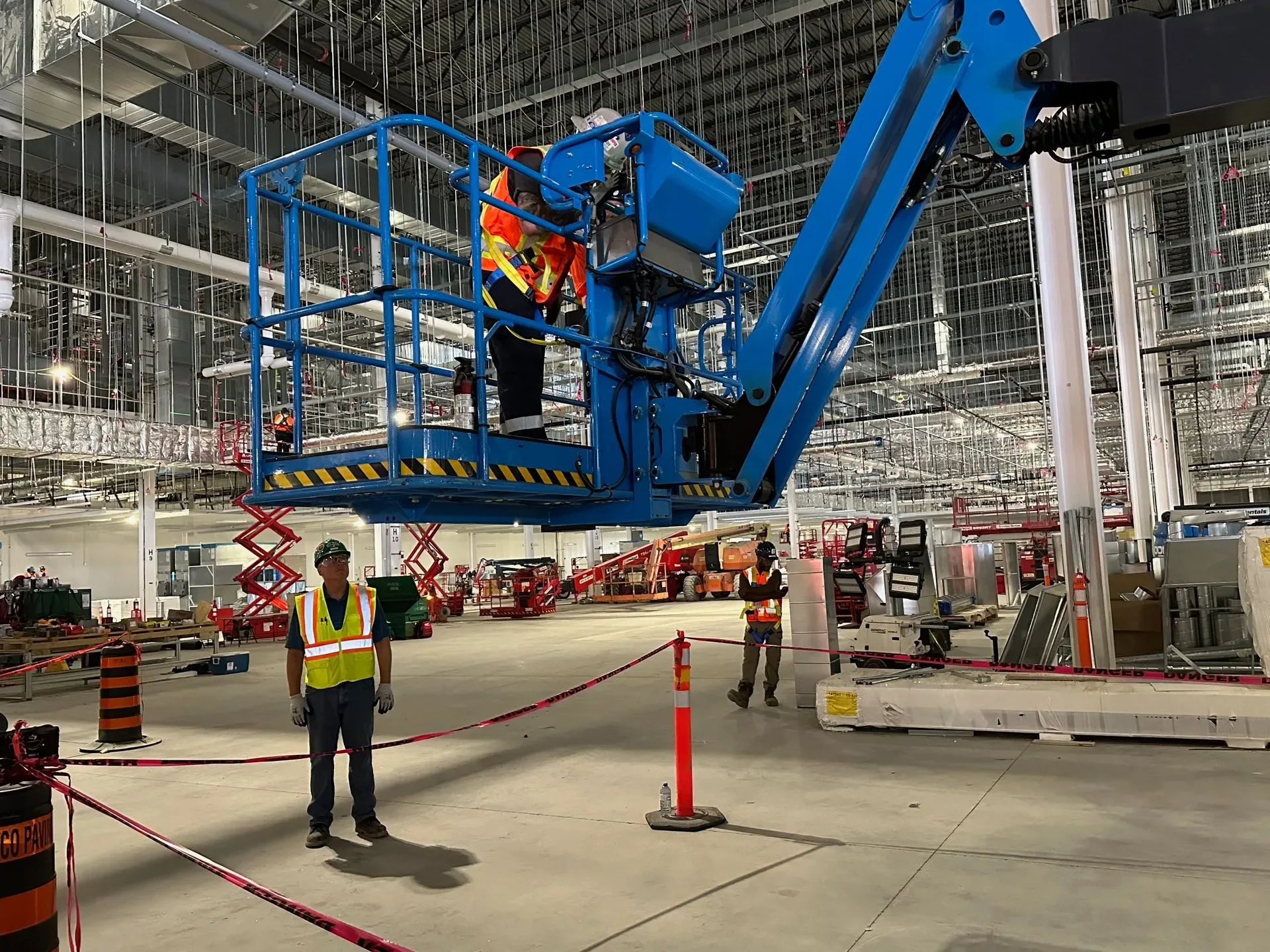
Construction sites are constantly changing environments where workers, heavy equipment, building materials, and unfinished structures come together. Even routine activities can become dangerous when hazards are overlooked or safety procedures are not followed. From working at heights to operating machinery, construction professionals face risks that require preparation, awareness, and consistent attention. Creating a safer workplace begins with understanding these risks and ensuring every worker knows how to respond to them.
A strong safety culture does more than reduce accidents. It helps teams work with greater confidence, improves communication, and supports smoother project operations. When safety becomes part of everyday decision-making, workers and employers can protect people while maintaining productivity and meeting project responsibilities.
Understanding the Common Hazards on Construction Sites
Construction work involves several hazards that can lead to serious injuries if they are not properly managed. Falls from ladders, scaffolds, and elevated platforms remain a significant concern. Moving machinery, falling objects, electrical equipment, and improperly stored materials can also create dangerous situations. In addition, workers may encounter dust, hazardous substances, excessive noise, and physically demanding tasks that affect their health over time.
Recognizing these risks is the first step toward preventing incidents. Site supervisors should regularly inspect work areas, identify unsafe conditions, and communicate potential dangers before tasks begin. Workers should also feel comfortable reporting damaged equipment, unstable surfaces, blocked walkways, and other concerns without worrying about negative consequences.
Hazards can change as a project progresses. A work area that was safe yesterday may become dangerous when new equipment arrives or structural work begins. Regular assessments and clear communication help teams respond to these changes before they result in injuries.
Why Proper Training Makes a Difference
Workers need more than written safety policies to perform their duties responsibly. They must understand how hazards develop, which protective measures apply to their tasks, and what actions to take when conditions become unsafe. Construction safety training helps employees develop this practical understanding while reinforcing the importance of following established procedures.
Training should reflect the actual responsibilities of each worker. Someone operating a forklift requires different instruction from someone working on scaffolding or handling hazardous materials. Likewise, employees who perform elevated work need to understand fall protection, equipment inspection, and emergency procedures relevant to their activities.
Employers should also consider the experience level of their workforce. New employees may require additional guidance about site rules, emergency exits, reporting procedures, and the correct use of personal protective equipment. Experienced workers can benefit from refresher sessions that reinforce safe habits and address changes in equipment or work practices.
Building a Consistent Safety Culture
Safety becomes more effective when it is treated as a shared responsibility rather than a task assigned exclusively to supervisors. Employers must provide suitable equipment, communicate expectations, and ensure workers receive the necessary instruction. Supervisors should demonstrate safe behaviour and address unsafe practices promptly. Workers, in turn, must follow procedures, use protective equipment correctly, and report hazards when they arise.
Daily safety meetings can help teams understand the work planned for each shift. These discussions provide an opportunity to review changing site conditions, explain equipment requirements, and highlight specific risks associated with upcoming activities. Keeping communication clear and practical makes it easier for everyone to understand their responsibilities.
Meeting Training and Compliance Responsibilities
Construction employers must understand the occupational health and safety requirements that apply to their operations. In Ontario, these responsibilities are shaped by provincial legislation and applicable regulations, with specific requirements depending on the work performed and the hazards involved. Appropriate training, supervision, and documentation all contribute to a well-managed safety program.
Training records help employers monitor course completion, identify refresher requirements, and confirm that workers have received relevant instruction. These records can also support internal reviews and demonstrate that safety responsibilities are being managed.
Construction safety training should therefore form part of a broader prevention strategy. Employers can review incident reports, inspection findings, and employee feedback to identify weaknesses in existing practices. When an incident or near miss occurs, investigating its causes can reveal whether additional instruction, improved equipment, or revised procedures are necessary.
Keeping Safety Knowledge Up to Date
Construction methods, equipment, and site conditions change over time. Workers who received instruction several years ago may need updated guidance when their responsibilities change or new hazards emerge. Refresher sessions help reinforce important information and provide opportunities to address mistakes before they become routine.
Practical demonstrations can make training more useful by allowing employees to understand how procedures work in real situations. Equipment inspections, fall protection checks, hazard identification exercises, and emergency response discussions can help connect classroom instruction with daily responsibilities. Supervisors can reinforce these lessons through regular observations and feedback.
Fewer incidents, better hazard reporting, improved equipment handling, and greater awareness of site procedures can indicate progress. If workers continue making the same mistakes, the training approach may need to be adjusted to address gaps in understanding.
Creating Safer Construction Workplaces
Preventing construction accidents requires ongoing effort from employers, supervisors, and workers. Identifying hazards, maintaining equipment, communicating clearly, and reviewing safety procedures all contribute to a more reliable working environment. When teams understand the risks associated with their duties, they are better prepared to make responsible decisions and respond to unexpected situations.
A commitment to construction safety also benefits project operations by reducing avoidable disruptions and helping employees perform their work with greater confidence. Rather than treating safety as a final compliance step, construction businesses should make it an essential part of planning, supervision, and daily activities.
Investing in relevant construction safety training and consistent safety practices helps build a workplace where people understand their responsibilities and take action to protect themselves and others. Over time, these efforts support healthier teams, better risk management, and a stronger foundation for successful construction projects.