Digital transformation is no longer a buzzword reserved for boardroom presentations; it’s a business necessity. Organizations across industries are under constant pressure to move faster, operate smarter, and deliver better experiences, all while managing rising costs and shrinking margins. At the center of this transformation lies one powerful catalyst: process automation, the ability to streamline and optimize business workflows using intelligent technologies.
Automation doesn’t just digitize existing processes; it fundamentally changes how businesses think, operate, and grow. When applied strategically, it accelerates digital transformation by removing friction, unlocking data-driven insights, and empowering people to focus on higher-value work. Let’s explore how automation is reshaping industries and why it’s become the backbone of modern digital transformation.
Understanding the Role of Automation in Digital Transformation
Digital transformation is about reimagining business models with technology. Automation plays a critical role by ensuring that digital tools actually deliver measurable outcomes. Without automation, many digital initiatives remain fragmented, new systems are implemented, but manual workarounds still exist behind the scenes.
Automation bridges this gap by:
- Streamlining repetitive, rule-based tasks
- Connecting disconnected systems and data
- Enabling faster decision-making with real-time insights
In essence, automation turns digital intent into operational reality.
From Manual Effort to Intelligent Operations
Traditional business processes often rely heavily on manual effort, emails, spreadsheets, approvals, and handoffs that slow everything down. Automation replaces these inefficiencies with intelligent workflows that run continuously and consistently.
For example, instead of manually processing invoices, validating data, and routing approvals, automation can handle the entire workflow end-to-end. The result? Faster cycle times, fewer errors, and greater transparency.
This shift from manual to automated operations is what allows organizations to scale digital transformation initiatives without increasing headcount or complexity.
Industry-Wide Impact of Automation
Automation is not confined to a single sector. Its impact is broad, deep, and transformative across industries.
Healthcare: More Focus on Patient Care
Automation helps healthcare providers reduce administrative overload by streamlining scheduling, billing, claims processing, and compliance reporting. As a result, clinicians spend less time on paperwork and more time with patients, improving both efficiency and care quality.
Manufacturing: Smarter, Faster Production
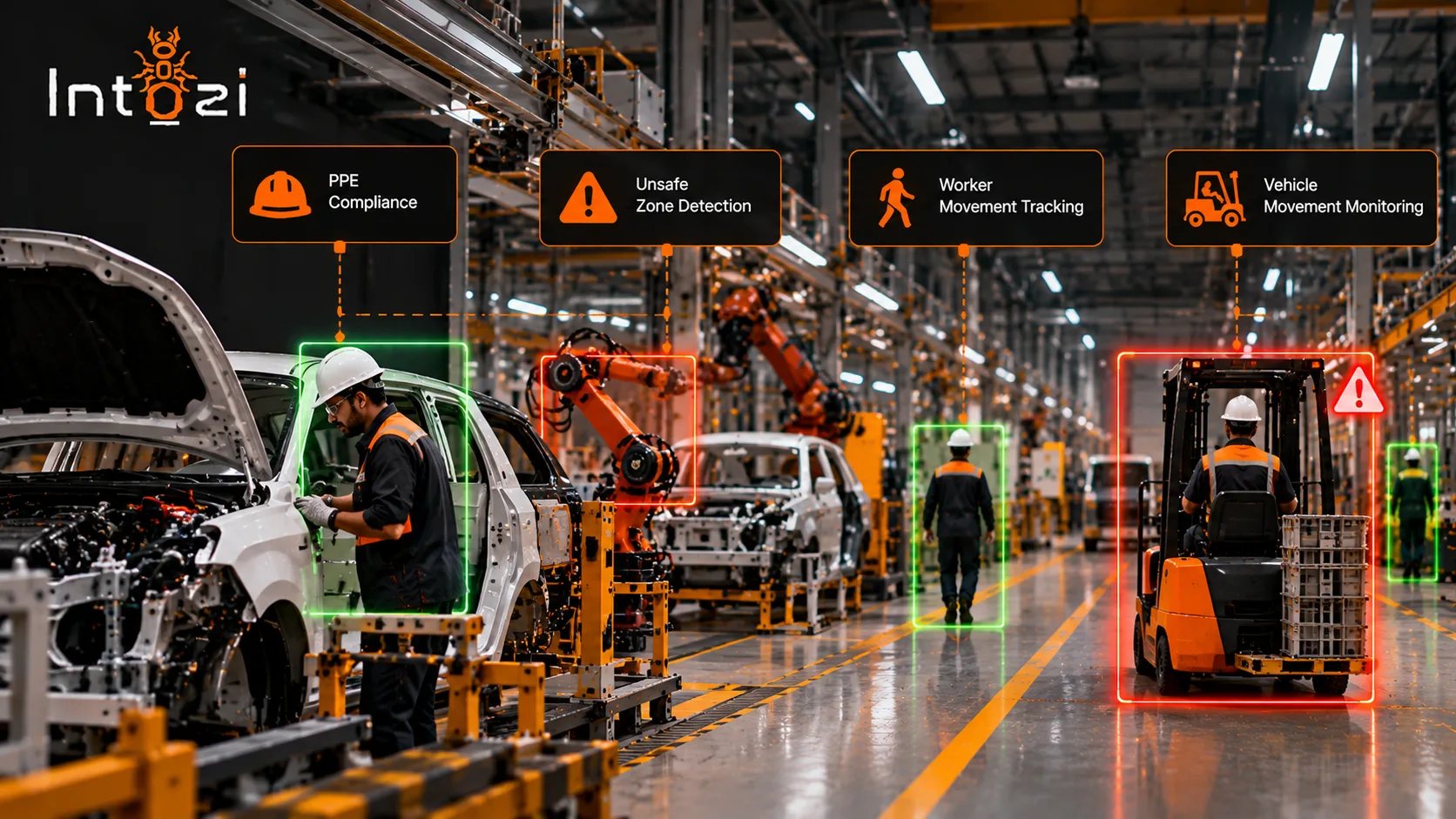
In manufacturing, automation powers smart factories. From production planning and inventory management to predictive maintenance, automated systems help manufacturers reduce downtime, optimize resources, and respond quickly to market demand.
Banking and Financial Services: Speed with Accuracy
Financial institutions rely on automation to process transactions, onboard customers, detect fraud, and ensure regulatory compliance. This not only improves operational efficiency but also enhances customer trust and experience.
Retail: Personalized and Seamless Experiences
Retailers use automation to manage supply chains, update pricing, process orders, and personalize customer interactions. Automation ensures that digital channels remain responsive, consistent, and scalable, even during peak demand.
Automation as a Growth Enabler, Not Just a Cost Saver
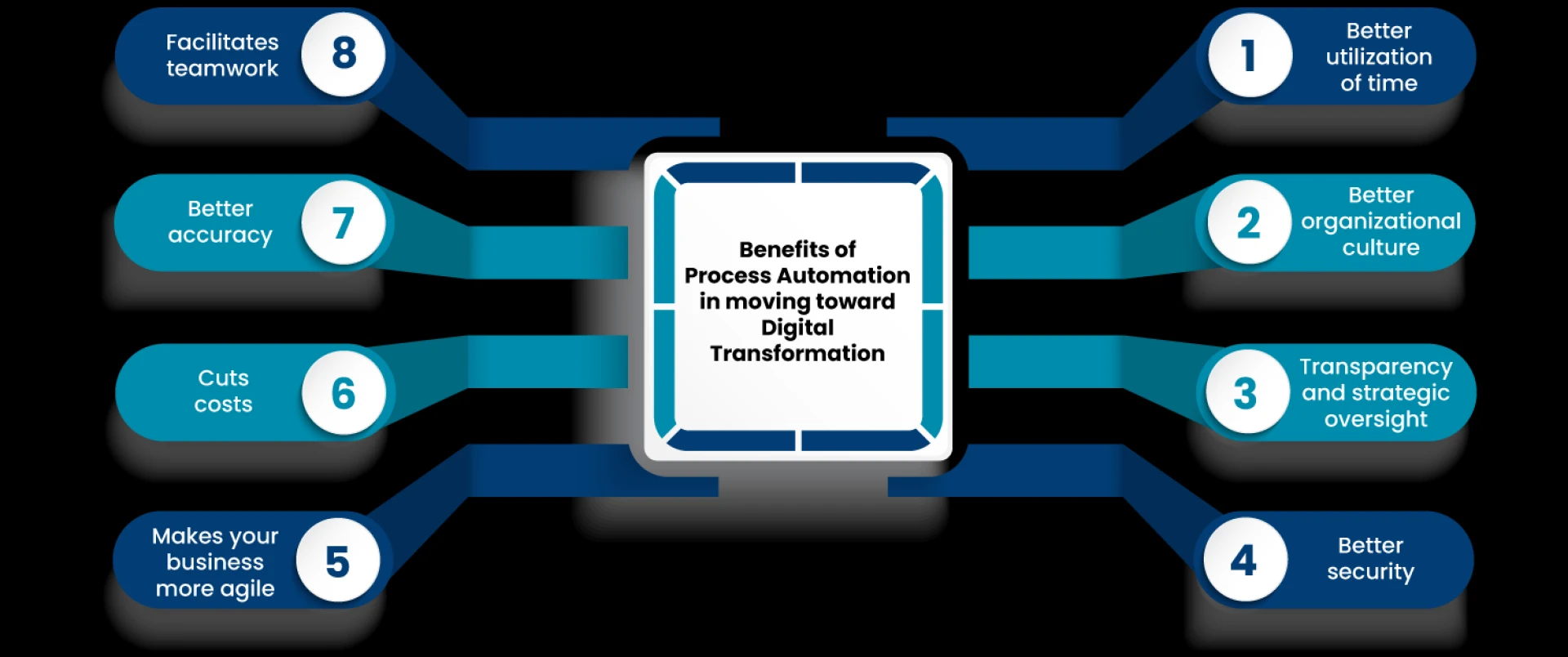
One common misconception is that automation is purely about cost reduction. While reducing operational expenses is a clear benefit, the real value lies in enabling growth and innovation.
Automation frees employees from repetitive tasks, allowing them to:
- Focus on strategic thinking and creativity
- Improve customer engagement
- Experiment with new ideas and business models
When people are supported by automated systems, organizations become more agile and resilient, key traits in today’s rapidly changing digital landscape.
Data-Driven Decisions at Digital Speed
Digital transformation generates massive amounts of data, but data alone doesn’t create value. Automation ensures that data flows seamlessly across systems and is processed in real time.
Automated analytics and reporting help leaders:
- Monitor performance continuously
- Identify trends and risks early
- Make faster, more informed decisions
This ability to act on insights at digital speed is what separates digitally mature organizations from those still struggling with transformation.
Breaking Down Silos with Connected Automation
Many organizations suffer from siloed systems, with HR, finance, operations, and customer service all operating independently. Automation acts as a unifying layer, connecting systems and enabling end-to-end processes.
For instance, an automated onboarding workflow can connect HR systems, IT provisioning, compliance checks, and payroll without manual intervention. This seamless integration is a hallmark of successful digital transformation.
Humanizing Digital Transformation with Automation
Contrary to popular fear, automation doesn’t remove the human element; it enhances it. By eliminating mundane tasks, automation allows employees to focus on meaningful, human-centered work.
Customers feel this difference too:
- Faster responses
- Fewer errors
- More personalized interactions
When automation is implemented thoughtfully, digital transformation becomes more human, not less.
The Road Ahead: Automation as a Continuous Journey
Automation is not a one-time project. As technologies evolve and business needs change, automation strategies must continuously adapt. Organizations that view automation as an ongoing journey, rather than a quick fix, are better positioned to sustain digital transformation over the long term.
The future belongs to businesses that can combine automation, data, and human intelligence to move faster, serve better, and innovate constantly.
Final Thoughts
Automation is the engine that accelerates digital transformation across industries. It turns digital ambition into tangible outcomes by improving efficiency, enabling smarter decisions, and empowering people to do their best work. Whether in healthcare, manufacturing, finance, or retail, automation is no longer optional; it’s foundational.
As organizations continue to navigate an increasingly digital world, those who strategically embrace automation will not only keep up but also lead the way.