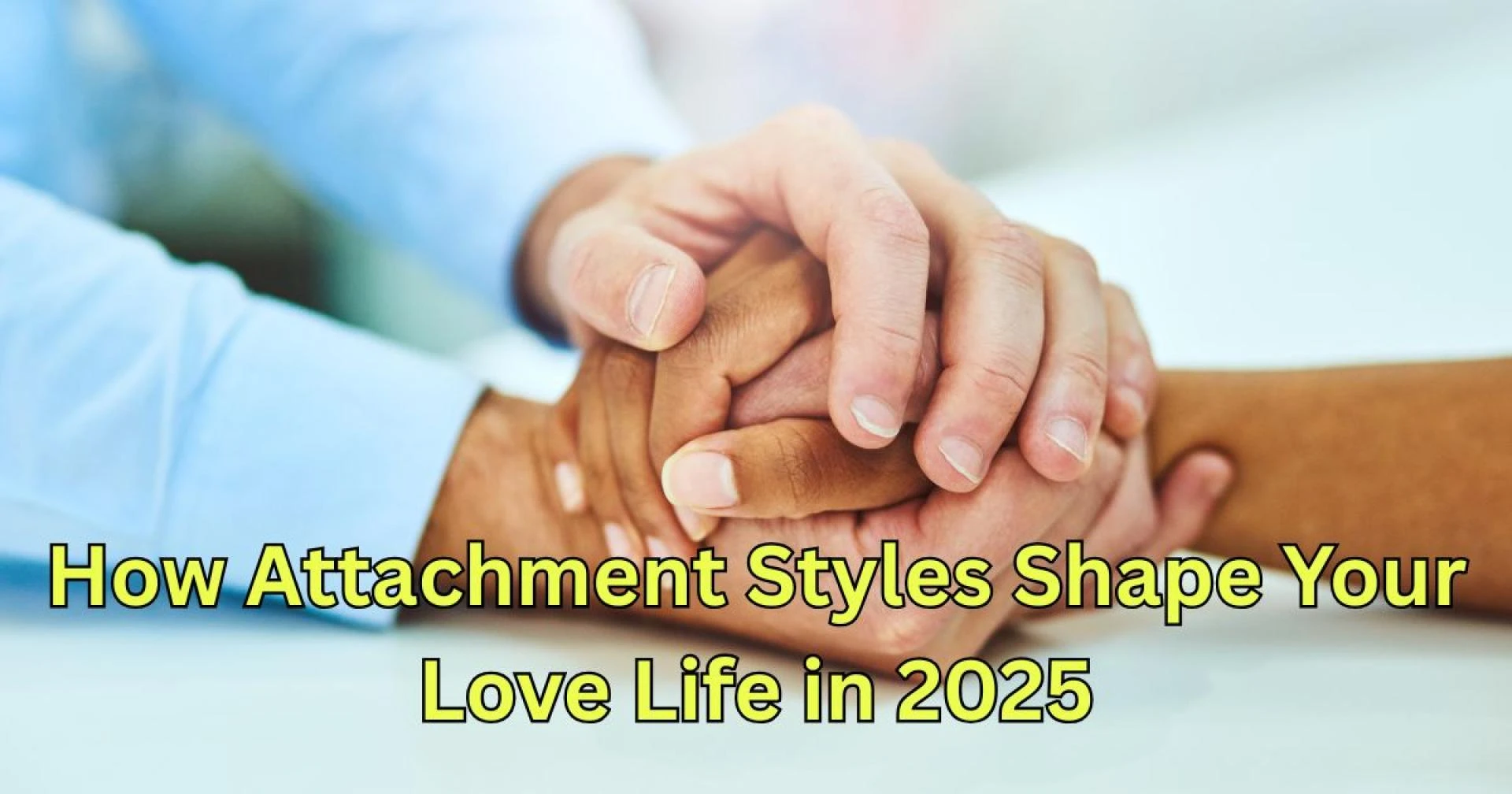
In today’s ever-evolving relationship landscape, understanding how you connect emotionally is more than just insightful—it’s transformative. With technology blurring the lines between intimacy and distance, knowing your attachment style could be the key to unlocking deeper connections, healthier boundaries, and more meaningful interactions in your love life. Whether you're exploring your dating status, navigating a complicated relationship status, or striving to strengthen a long distance relationship, attachment theory offers a lens that reshapes how we approach modern love.
What Are Attachment Styles?
Attachment styles, rooted in psychological theory, describe how individuals emotionally bond and respond to intimacy in relationships. These patterns typically develop during early childhood but continue to influence our relation status well into adulthood. In 2025, with people more self-aware and mentally health-focused, identifying your attachment style has become a common step in personal growth and dating journeys.
The four primary attachment styles are:
- Secure Attachment – Comfortable with intimacy and autonomy.
- Anxious Attachment – Craves closeness but fears abandonment.
- Avoidant Attachment – Values independence and often resists closeness.
- Fearful-Avoidant (Disorganized) – A mix of anxious and avoidant behaviors, often due to past trauma.
Understanding where you fall in this spectrum can drastically shift the quality and direction of your love life status.
How Attachment Styles Impact Your Love Life
Your attachment style acts like an emotional compass. It subtly directs how you choose partners, express affection, resolve conflict, and define your dating status. For instance, people with secure attachment styles often report more stable and satisfying relationships, while those with anxious or avoidant styles may find themselves caught in emotional roller coasters.
This insight isn’t just theory—it’s practical healthy relationship advice that couples and singles alike are now actively seeking. It can help identify why some connections feel effortless while others are emotionally exhausting. A secure partner may naturally offer reassurance, while an avoidant one might struggle to meet emotional needs, leading to cycles of misunderstanding and frustration.
Love and Technology: Attachment in the Modern World
In 2025, our romantic experiences are more intertwined with technology than ever. Online dating apps, texting, and social media have redefined how people initiate and sustain relationships. Unfortunately, these platforms can amplify the effects of insecure attachment styles. Ghosting, breadcrumbing, and digital dependence often aggravate anxious tendencies, making a secure love life feel out of reach.
Those with avoidant tendencies may find digital communication a safe haven to maintain distance, while those seeking a soulmate connection might misinterpret or over-invest in virtual signals. As such, it’s more important than ever to understand how your attachment style interacts with the digital landscape.
Healing and Growth: Can Attachment Styles Change?
The good news? Attachment styles are not life sentences. With self-awareness, therapy, and intentional relationship choices, people can evolve toward secure attachment. Whether you're reading love and dating blogs, working with a coach, or practicing mindfulness, there are steps you can take to shift your emotional wiring.
- Recognize Your Triggers: Keep a journal of moments when you felt emotionally activated. Understanding what sets you off helps you respond, not react.
- Set Healthy Boundaries: Especially important in complicated relationship status situations or when navigating long distance relationships.
- Communicate Honestly: Expressing your needs calmly builds trust and reduces misunderstandings.
- Choose Emotionally Available Partners: The foundation of a secure love life status is choosing people who are willing to grow with you.
Experts featured in top modern lifestyle articles now often include attachment theory in dating and relationship workshops. Many recommend following trusted love and dating blogs or subscribing to relationship podcasts that incorporate psychology-backed strategies.
Attachment Styles in Long Distance Relationships
When physical proximity is limited, emotional security must be stronger. A long distance relationship can be especially challenging for those with anxious attachment styles, as the lack of physical presence might fuel fear of abandonment. Meanwhile, avoidant partners might appreciate the space but struggle with meaningful connection.
For both partners, learning about attachment dynamics is essential. Knowing when to seek reassurance or when to give space can make the difference between a thriving or failing long-distance romance. This is where relationship advice grounded in attachment awareness becomes incredibly valuable.
Role of Self-Reflection in Defining Your Love Status
Your love status—single, dating, committed, undefined—often reflects more than your current relationship; it mirrors your emotional landscape. People increasingly use their relation status not just as a label, but as an intentional reflection of their emotional readiness and personal growth journey.
Those who have worked on developing secure attachment are more likely to be comfortable in both solitude and connection. They make decisions from a place of self-worth, not fear or desperation. As seen in popular love and dating blogs, 2025 is the year of emotional intelligence in dating.
Soulmate Connection and Attachment Styles
A true soulmate connection is built on emotional safety, mutual respect, and shared values. While chemistry may spark a relationship, it's emotional compatibility—often influenced by attachment styles—that sustains it. People with secure attachment are more likely to cultivate and maintain deep, lasting bonds that resemble the soulmate ideal.
If you're yearning for that type of connection, begin by exploring your emotional habits. Growth starts within, and the more secure you become, the more likely you are to attract a partner on the same wavelength.
And don’t forget—while best hookah blogs and hookah lifestyle content might offer social lifestyle tips, true relationship satisfaction often comes from the inner work that aligns your emotional responses with your romantic desires.
FAQs
Q: How do I find out my attachment style?
A: You can take an online quiz from reputable psychology sources, read books on attachment theory, or work with a therapist or relationship coach for deeper insight.
Q: Can I change my attachment style?
A: Yes. While attachment styles are developed early, they can change over time through self-work, therapy, and healthy relationship experiences.
Q: Is one attachment style better than the others?
A: Secure attachment is generally considered the healthiest and most stable. However, understanding any style can lead to improved emotional regulation and relationship success.
Q: How does knowing my attachment style help in a long distance relationship?
A: It allows you to communicate your needs more clearly, manage expectations, and build trust even without physical closeness.
Q: What if my partner and I have different attachment styles?
A: It’s common. What matters most is mutual understanding, emotional communication, and a willingness to grow together.
What attachment style do you think best describes your current love status—and how has it shaped your romantic journey so far? Share your story in the comments below!