Business innovation is no longer limited to developing new products or improving traditional services. Modern organizations are exploring advanced technologies to improve customer experiences, streamline operations, enhance employee training, and create new opportunities for growth. Augmented Reality (AR) and Virtual Reality (VR) are among the technologies helping businesses explore these possibilities.
The growing adoption of AR and VR technology in Pakistan is creating opportunities for companies across different industries. Through professional AR/VR services and customized AR/VR solutions, businesses can introduce interactive experiences, improve communication, and explore innovative ways to connect with their audiences.
What Are AR and VR Technologies?
Augmented Reality adds digital elements to the real-world environment. Users can interact with 3D models, animations, and digital information through smartphones, tablets, smart glasses, and other compatible devices.
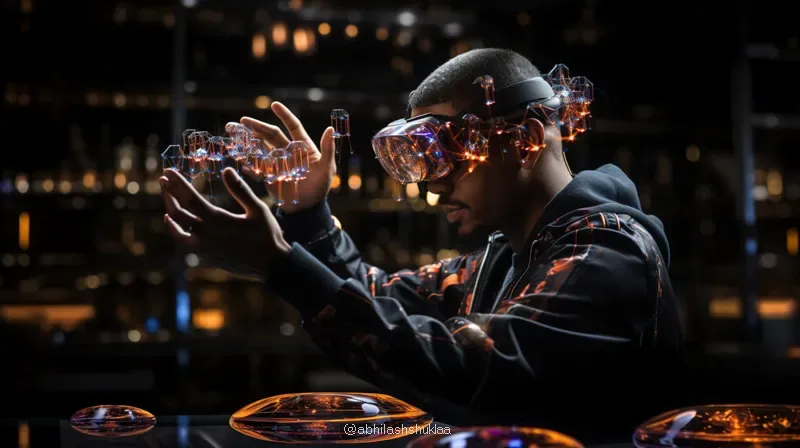
Virtual Reality creates a computer-generated environment that users can explore through VR headsets. It can be used for virtual tours, product demonstrations, employee training, simulations, and immersive presentations.
Both technologies provide businesses with new ways to present information and deliver interactive experiences.
1. Improving Customer Experiences
Customer experience is an important part of business innovation. Companies need effective ways to attract customers, explain their offerings, and build stronger relationships.
AR and VR can make these interactions more engaging. For example, a furniture retailer can use AR to help customers visualize products in their homes. Similarly, a real estate company can offer virtual property tours through VR.
These applications allow customers to explore products and services in more interactive ways.
2. Transforming Product Development
Businesses can use 3D visualization and immersive environments to present product concepts before physical production.
AR and VR can help designers, engineers, and other team members explore digital models, review design concepts, and communicate ideas.
This approach can support collaboration and help organizations identify potential design improvements during development.
3. Enhancing Employee Training
Employee development is another area where immersive technology can support innovation. VR simulations can create controlled environments where employees practice tasks and learn procedures.
Businesses can develop training experiences for equipment operation, workplace safety, customer service, and technical activities.
These simulations can complement traditional training methods and provide opportunities for repeated practice.
4. Creating Innovative Marketing Campaigns
Traditional marketing often relies on images, videos, and written content. AR and VR can introduce interactive elements that encourage customers to participate in brand experiences.
Businesses can use AR filters, interactive 3D product demonstrations, virtual showrooms, and immersive brand environments.
These experiences can be incorporated into product launches, exhibitions, corporate events, and promotional campaigns.
5. Improving Business Presentations
Companies frequently need to present products, services, designs, and proposals to customers or business partners.
AR and VR can make presentations more visual and interactive. For example, an architecture firm can use VR to demonstrate a proposed building, while a manufacturer can present a 3D model of complex equipment.
This can help audiences understand ideas that may be difficult to communicate through conventional presentations.
6. Supporting Remote Collaboration
Businesses with teams working across different locations can explore immersive technology for remote demonstrations, virtual meetings, and collaborative design reviews.
VR environments can allow participants to explore shared digital spaces, while AR can provide visual information that supports discussions and technical demonstrations.
The usefulness of these applications depends on device availability, connectivity, and the specific collaboration requirements.
7. Creating New Business Opportunities
AR and VR can help organizations explore new digital products, interactive services, and customer experiences.
For example, tourism businesses can develop virtual destination experiences, educational institutions can create immersive learning applications, and retailers can introduce interactive product visualization.
These opportunities allow businesses to experiment with different ways of delivering value.
The Role of Professional AR/VR Services
Professional AR/VR services help businesses plan, design, develop, and implement immersive technology projects. Depending on the project, these services may include:
- AR application development
- VR application development
- 3D modeling and animation
- Interactive experience design
- Virtual tours and simulations
- Product visualization
- Immersive marketing experiences
- Testing and optimization
- Deployment and technical support
The development process should begin with a clear understanding of the business problem, target audience, budget, and expected outcomes.
Customized AR/VR Solutions for Different Industries
AR/VR solutions can be customized to meet the requirements of different industries.
For example:
- Retail: AR product visualization and interactive shopping experiences.
- Real Estate: Virtual property tours and 3D architectural presentations.
- Education: Interactive learning applications and virtual laboratories.
- Healthcare: Medical education, anatomical visualization, and training simulations.
- Manufacturing: Equipment demonstrations and technical training.
- Tourism: Virtual destination experiences and interactive cultural content.
- Events: Immersive installations and interactive brand activations.
Customization allows businesses to select applications that support their operational needs and customer expectations.
AR and VR Technology in Pakistan
The development of AR and VR technology in Pakistan is creating opportunities for businesses to explore immersive digital experiences. Companies in Karachi, Lahore, Islamabad, and other commercial centers can consider these technologies for marketing, education, retail, real estate, entertainment, tourism, and corporate training.
Businesses should begin by identifying practical challenges that AR or VR could address. Starting with a focused project can help organizations evaluate the technology before expanding its use.
Choosing an AR and VR Development Company in Pakistan
Selecting an experienced AR and VR development company in Pakistan is an important step when planning an immersive technology project.
Businesses should evaluate several factors, including:
- Technical expertise: Review the company's experience with AR, VR, 3D development, and interactive applications.
- Previous projects: Examine its portfolio to understand the quality and variety of completed work.
- Customization: Ensure the development team can create solutions based on specific business requirements.
- Device compatibility: Discuss whether the experience will work with the intended smartphones, tablets, computers, or VR headsets.
- Testing and support: Confirm that the project includes performance testing, optimization, and technical assistance.
Companies should also discuss project costs, timelines, content requirements, and future maintenance before development begins.
How to Measure the Impact of AR and VR
Innovation should deliver measurable value. Businesses can evaluate immersive technology projects using indicators that match their objectives.
For customer-facing applications, useful measurements may include user engagement, interaction time, product views, customer feedback, and conversions. For training projects, organizations may assess participation, knowledge retention, and training performance.
Regular evaluation helps businesses identify improvements and determine whether an AR or VR application is meeting its intended goals.
Conclusion
AR and VR technology supports business innovation by improving customer experiences, transforming product presentations, enhancing employee training, creating interactive marketing campaigns, and introducing new digital opportunities.
With professional AR/VR services and customized AR/VR solutions, organizations can explore practical applications that align with their business objectives. As AR and VR technology in Pakistan continues to develop, partnering with an experienced AR and VR development company in Pakistan can help businesses turn innovative ideas into effective and engaging digital experiences.