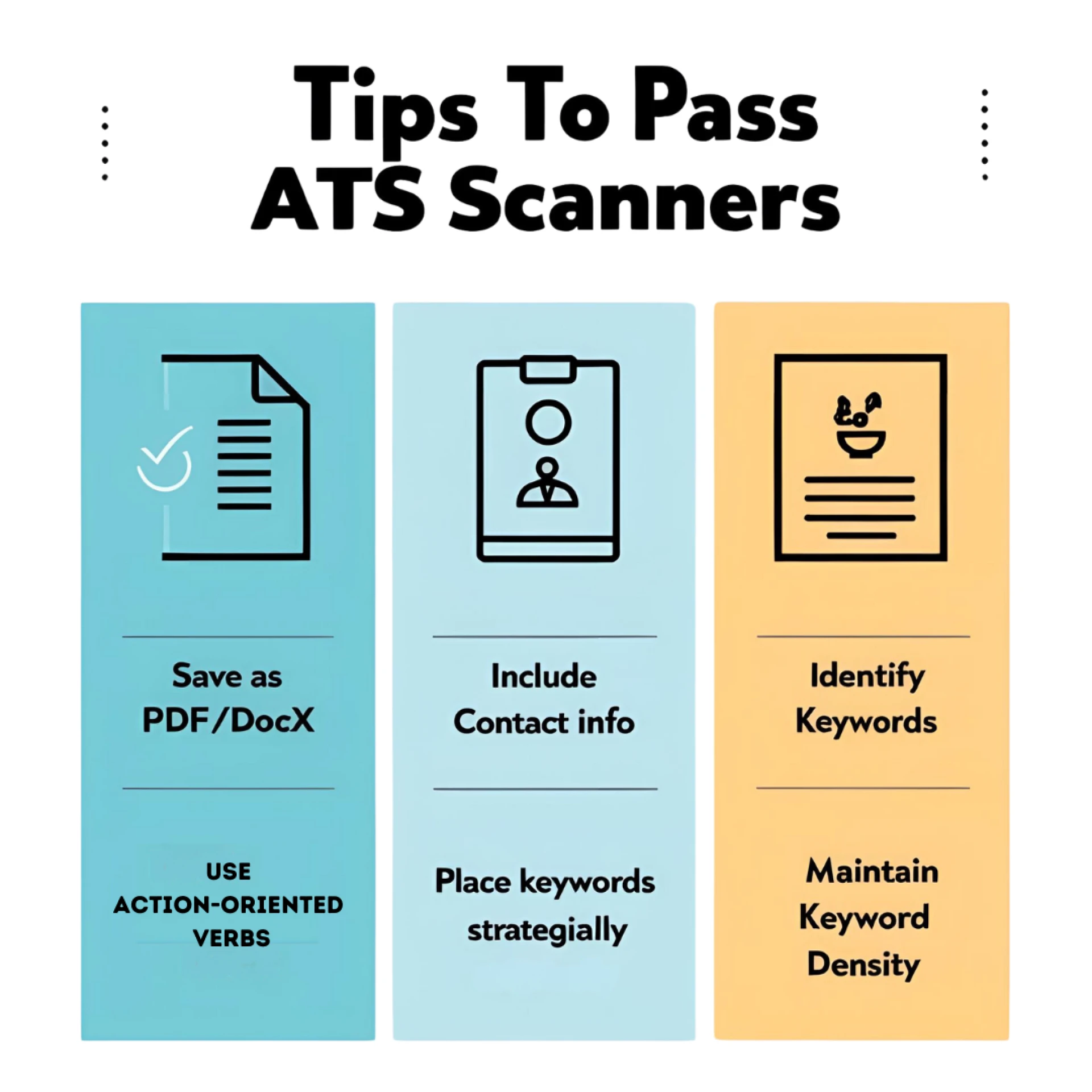
A recruiter will more often than not review your resume with the help of software before a human being looks at it. An Applicant Tracking System checker or ATS is a program that uses automated scanning, filtering, and ranking of resumes according to preset values. Knowledge in the functionality of this system is important, particularly when one is making use of an applicant tracking system checker to determine the performance of resumes.
The majority of the applicants are filtered out at this point without noticing it and this is why ATS knowledge is very important.
What Is an Applicant Tracking System?
An ATS is a recruiting application enabling business organizations to handle large quantities of job applications. It assists recruiters in sorting out resumes, finding relevant profiles and automatically filtering out unqualified applications.
An ats system checker mimics the behavior of these systems in reading resumes, and lets job seekers know in advance what they are weak in.
The way ATS Reads and Parses Resumes
ATS cannot be performed in the same way as human reading of resumes. It splits out the resumes into segments and retrieves information with the help of parsing logic.
The system looks for:
- The section headings are clear such as Summary, Skills, Experience.
- Images or graphics are not present but rather text.
- Standard formatting and fonts.
- Logical job timelines
In case of parsing errors the resume can be discarded on the spot.
The fundamental filter is Keyword Matching
Keywords matching is the most vital role of ATS. The system can measure relevance by comparing the content of resumes with the keywords in the job description.
ATS evaluates:
- Skill keywords
- Job titles and role terms
- Technologies, tools and software.
- Industry-specific language
An applicant tracking system checker will be used to detect keywords that have been left out and lower the score of matches.
Automatic Resume Ranking and Scoring
Following the parsing of the resumes, ATS gives each resume a relevance score. Recruiters are only given those resumes that have reached a specific threshold.
Resumes rank higher when:
- Keywords are very relevant to the job description.
- Role correspondence to experience.
- The skills are represented in several pertinent sections.
An ats system checker can make you know how your resume is rated.
Universal ATS Filtering Triggers Which are Rejected
The numerous resumes are eliminated because of the unnecessary errors.
The reasons behind the common ATS rejection are:
- Incorrect file formats
- Complex tables and designs
- Keywords Stuffing or irrelevant keywords.
- Missing required skills
An applicant tracking system checker is capable of detecting these issues at an early stage.
Contribution of Job Titles and Experience Matches.
ATS systems determine comparisons of job titles and experience period with the job post. Titles or timelines do not match with even qualified candidates who can be rejected.
To improve ATS performance:
- Use standardized job titles
- Always use the same date format.
- Correct match experience level.
This enhances prioritizing in ATS filtering.
The reason why ATS-Friendly Resumes are more visible
ATS friendly resumes are simpler to read, rank better and get to the recruiters quicker. They are concerned with being clear, relevant and structured.
With an ats system checker, one will be sure of:
- Proper keyword placement
- Correct formatting
- Improved role alignment
This goes a long way in enhancing short listing.
Final Thoughts
There are no obstacles to the use of Applicant Tracking Systems, just filters that reward clarity and relevance. Knowing the automatic filters used by an automatic ATS to filter resumes and testing resumes with an applicant tracking system checker, job seekers will be able to minimise the risk of rejection and maximise chances at an interview. ATS logic is not an option anymore, it is a key to a modern job-searching success.