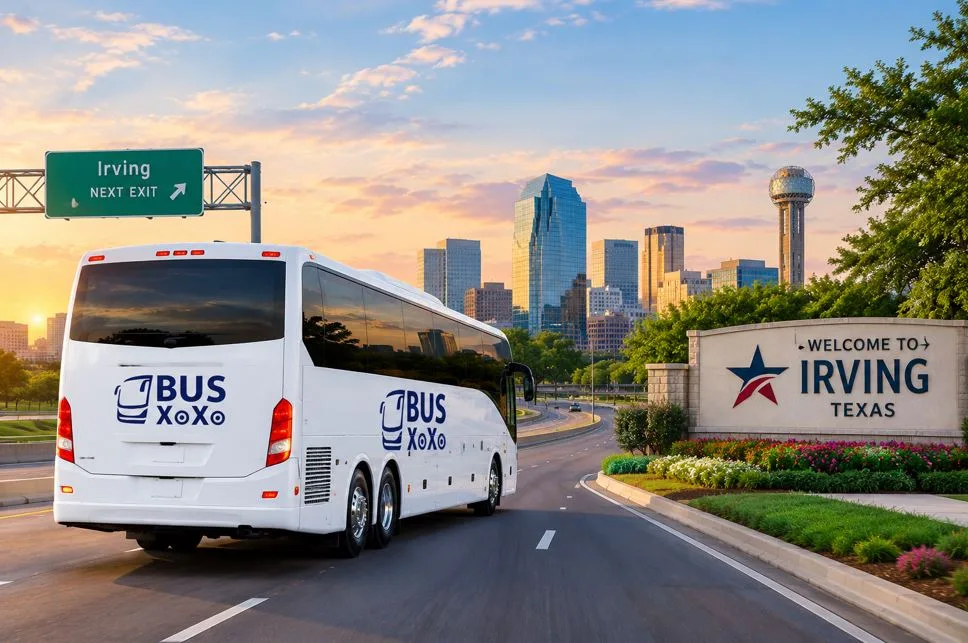
Planning transportation for a group can quickly become complicated when everyone is responsible for arriving at the same destination on time. Separate cars may take different routes, passengers may arrive late, and organizers may need to coordinate parking and directions for multiple drivers. An Irving charter bus rental can make group travel easier by giving passengers a shared transportation plan for trips, events, tours, and other occasions. Group transportation works best when it is considered as part of the overall trip rather than as a last-minute arrangement. The number of passengers, travel distance, pickup locations, destinations, and event schedule can all influence how transportation should be organized. By bringing these details together early, groups can create a more structured travel experience.
Keeping the Group on One General Schedule
One of the main challenges of group travel is coordinating individual schedules. When everyone drives separately, each passenger or driver may leave at a different time. This can make it difficult to know whether the entire group has arrived, especially when an event has a fixed starting time. Shared transportation gives the group a central departure schedule. Passengers know where to meet and when the trip begins, allowing organizers to manage travel around one general itinerary. This can be useful for many different types of groups. Families traveling together, corporate teams, school organizations, wedding guests, sports groups, and sightseeing travelers may all benefit from having transportation coordinated around the same schedule. A shared itinerary can also simplify communication because important updates can be provided to the group at the same time.
Making Multi-Stop Trips Easier to Organize
Many group trips involve more than one destination. A group may begin at a hotel, travel to an event venue, stop for a meal, visit another location, and return later in the day. When several vehicles are involved, every stop creates another opportunity for the group to become separated. A planned transportation route can help connect each destination as part of one journey. Instead of requiring multiple drivers to coordinate directions between every stop, organizers can focus on building a complete itinerary. For example, a group itinerary may involve a hotel pickup followed by transportation to a meeting, restaurant, entertainment venue, and return location. Writing down each stop before the trip helps organizers identify how much time should be allocated to travel and transitions. The more complete the itinerary is before departure, the easier it becomes to communicate expectations to passengers.
Reducing the Need to Coordinate Multiple Vehicles
Managing several vehicles can create additional responsibilities for group organizers. Someone may need to share parking information with multiple drivers. Others may need directions or updates about changes to the route. Some passengers may become separated in traffic or arrive at different entrances. Centralized transportation can reduce the number of individual travel arrangements the group needs to manage. This does not eliminate the need for planning. Organizers should still confirm pickup locations, destinations, travel times, and passenger numbers. However, coordinating one shared transportation plan can be simpler than managing the movements of many separate vehicles. This can be particularly helpful when traveling to busy event locations where multiple cars may create additional parking and coordination challenges.
Planning Around Passenger Needs
Every group has different travel requirements. A family group may be carrying luggage and personal belongings. A sports team may need room for bags and equipment. A corporate group may travel between hotels, offices, and meeting locations. A school group may need a carefully structured schedule involving students and chaperones. Understanding these needs before arranging transportation can help organizers choose an appropriate option. Passenger numbers are an important starting point, but they should not be the only consideration. Groups should also think about travel distance, the amount of luggage involved, the number of destinations, and the amount of time passengers will spend traveling. A trip that involves several hours on the road may have different requirements from a short local transfer.
Creating a More Predictable Travel Experience
Group travel is easier when passengers know what to expect. A clear transportation plan can provide information about when the group will depart, where passengers should meet, which destinations are included, and when the group is expected to return. This structure can be particularly useful for larger groups because communication becomes more difficult as the number of passengers increases. Before the trip, organizers should review the itinerary and share relevant information with everyone traveling. Passengers should understand the meeting location and departure schedule so that transportation does not need to be delayed while people search for the group. A simple communication plan can make the day easier for both organizers and passengers.
Considering Travel Time Beyond Distance
Travel planning should involve more than checking the distance between two locations. Groups need time to gather, board, store belongings, and exit at each destination. Event schedules may also create traffic or congestion near certain locations. For this reason, transportation should be planned with realistic time allowances. Organizers should avoid building an itinerary where every activity begins immediately after the previous transfer ends. A reasonable time buffer can help the group manage unexpected delays without affecting the entire schedule. This is especially important when traveling to time-sensitive events such as conferences, ceremonies, performances, competitions, or scheduled tours.
Supporting Different Types of Group Trips
Group transportation can support a wide range of travel purposes. Some groups may be planning a local event with several stops, while others may be traveling outside Irving for a tournament, business meeting, family gathering, or sightseeing trip. The transportation requirements will depend on the trip itself. For shorter events, the priority may be coordinating pickup and drop-off times. For longer journeys, organizers may need to think more carefully about luggage, scheduled stops, and the amount of time passengers will spend traveling. The best transportation plan is one that reflects the actual purpose of the trip rather than using the same approach for every group.
Reviewing the Details Before Departure
A final review can help identify transportation problems before the group begins traveling. Organizers should confirm that passenger numbers are accurate and that pickup and destination information is complete. The schedule should also be checked against the event itinerary to make sure important arrival times are realistic. Passengers should receive final information before the trip so that everyone knows where to meet and when transportation is scheduled to depart. A few minutes spent reviewing these details can prevent unnecessary confusion later.
Making Group Travel More Manageable
Group transportation is ultimately about organization. The more people involved in a trip, the more difficult it can become to coordinate separate travel arrangements. By creating one itinerary, establishing clear pickup locations, considering passenger requirements, and allowing realistic travel time, groups can make transportation easier to manage. An Irving charter bus rental can be part of that planning process when a group wants to travel according to a shared schedule. With preparation and clear communication, transportation can support the overall trip and allow passengers to focus more on the event, destination, or experience ahead.