The pursuit of health and fitness is a growing trend across Thailand, particularly in the bustling urban centers where the demands of modern work and lifestyle make dedicated exercise time a precious commodity. While outdoor activities like running in Lumphini Park or taking a Muay Thai class offer fantastic ways to stay active, many people seek a convenient, all-weather option for their daily cardiovascular workout. The need for a time-efficient, yet highly effective piece of equipment has driven the popularity of in-home cardio solutions.
Among the various fitness machines available, the elliptical machine stands out as a powerful and versatile tool for dramatically improving heart health. It offers a unique blend of low-impact, full-body movement that allows users to elevate their heart rate and build endurance without the harsh joint impact associated with activities like outdoor running on concrete surfaces. Understanding how this machine engages the body and cardiovascular system can illuminate why it is one of the most effective choices for anyone looking to strengthen their heart and lungs right from the comfort of their home or a local gym.
5 Ways the Elliptical Machine Strengthens the Heart
Cardiovascular training, or cardio, is essentially a workout for the heart muscle. By making the heart pump more efficiently, we strengthen it, which in turn improves blood flow, lowers blood pressure, and reduces the risk of chronic heart disease. The unique motion and design of the elliptical machine allow it to excel at delivering these vital benefits.
Low-Impact, High-Intensity Capacity
A common barrier to consistent cardio exercise is the risk of injury or joint pain, especially for older adults or those carrying excess weight. The elliptical addresses this by offering a smooth, gliding motion that keeps feet in contact with the pedals at all times, mimicking the natural movement of running without the stress of impact.
Protecting Joints While Elevating Heart Rate
This low-impact nature is crucial because it allows users to train more frequently and for longer durations without compromising joint health in the knees, ankles, and hips. Crucially, the absence of jarring impact does not diminish the intensity. Users can easily adjust the resistance and speed to push their heart rate into the optimal training zones (typically 60-85% of maximum heart rate), achieving the same heart-strengthening benefits as running, but with reduced physical strain.
Engaging the Full Body for Maximum Output
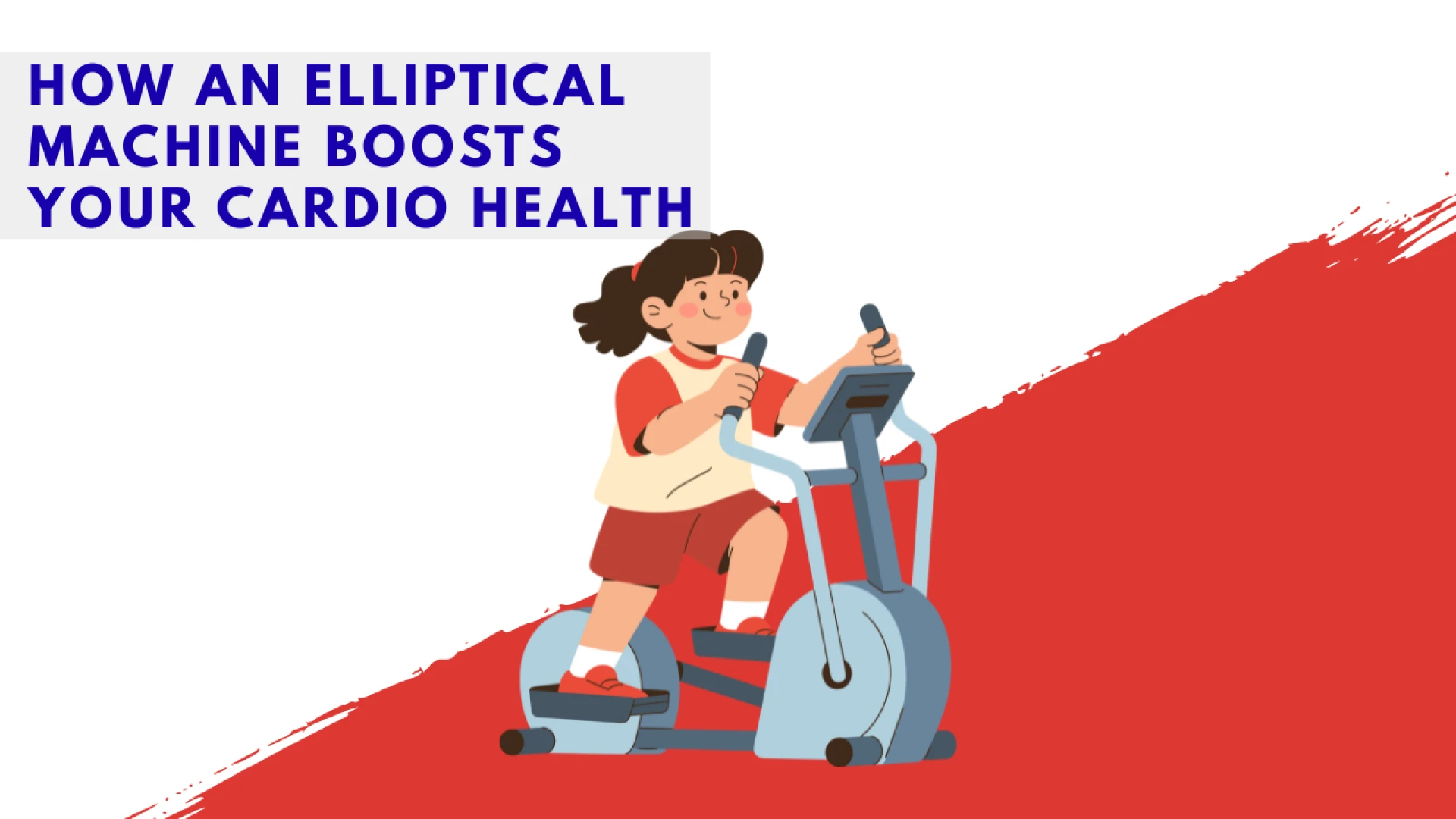
Unlike a stationary bike or a treadmill (which primarily targets the lower body), the elliptical machine incorporates handles that require the arms to push and pull in a synchronized motion with the legs. This simultaneous engagement of both upper and lower body muscle groups is a significant advantage for cardiovascular health.
Increasing Oxygen Demand and Calorie Burn
When more muscle mass is actively engaged, the body demands more oxygen-rich blood. This forces the heart to work harder and more efficiently to circulate blood throughout the entire system. Over time, this consistent, full-body demand leads to a higher aerobic capacity, which is a key indicator of cardiovascular fitness. The full-body movement also contributes to a higher total calorie burn in a shorter amount of time, supporting weight management goals that are intrinsically linked to heart health.
Improving Aerobic Endurance
Aerobic endurance is the ability of the heart and lungs to supply oxygen to the muscles for a sustained period. Consistent, moderate-to-high intensity sessions on an elliptical are an excellent way to build this endurance.
Building a Stronger, More Efficient Heart Muscle
Regular elliptical training teaches the heart to pump a greater volume of blood with each beat, reducing the number of beats required at rest (lowering the resting heart rate). For instance, setting the machine to a consistent, challenging resistance for 20-40 minutes forces the cardiovascular system to adapt to the sustained effort, leading to long-term improvements in stamina for everything from climbing stairs in a Bangkok high-rise to chasing after children at the weekend.
Allowing for Dynamic Interval Training
The most effective way to improve cardiovascular health is often through High-Intensity Interval Training (HIIT), which involves alternating short bursts of maximal effort with periods of low-intensity recovery. The elliptical machine is perfectly suited for this training method.
Optimizing Cardiac Adaptation with HIIT
The ease of adjusting resistance and speed on an elliptical makes it simple to transition quickly between intensity levels. For example, a user can sprint hard for 30 seconds (Zone 4/5 heart rate) and then slow to a comfortable glide for 60 seconds (Zone 2 heart rate). This pattern repeatedly shocks the heart, optimizing its ability to recover quickly and efficiently, leading to rapid and significant improvements in cardiovascular fitness over time.
Promoting Consistency for Sustained Benefits
The greatest health benefit from any exercise comes from consistency. In a region where sudden shifts in weather, such as heavy rain or high heat and humidity, can derail outdoor workout plans, having a reliable indoor option is invaluable.
The Convenience of At-Home Fitness
For busy professionals in cities like Phuket or Chiang Mai, finding time to commute to a gym can be difficult. Having a convenient, low-impact elliptical machine readily available at home eliminates external barriers, making a daily or near-daily workout much more feasible. This ability to consistently meet recommended weekly cardio guidelines is arguably the single most important factor for maximizing long-term cardiovascular health.
Conclusion
The elliptical machine is far more than a simple piece of exercise equipment; it is a dedicated platform for comprehensive cardiovascular health. Its design successfully merges the intensity required for significant heart conditioning with the low-impact movement necessary for long-term joint health. From engaging a greater muscle mass to accommodating the dynamic shifts of interval training, the elliptical offers a powerful, efficient, and user-friendly way for individuals across Thailand to strengthen their heart, improve their endurance, and manage their overall health effectively. For those seeking a reliable tool to build a lasting foundation of fitness, the regular use of an elliptical machine is an investment that pays dividends in vitality and well-being.
FAQs
How does the elliptical’s low-impact nature help my heart?
The low-impact motion does not directly strengthen the heart, but it does so indirectly by protecting your joints. By eliminating the pounding force on your knees and ankles, the elliptical allows you to exercise more frequently and consistently without pain or injury. This consistency is what truly drives the long-term adaptation and strengthening of your cardiovascular system.
Can I build leg muscle using an elliptical machine?
While the elliptical is primarily a cardio machine, it does engage major lower-body muscle groups, including the quadriceps, hamstrings, and glutes. By increasing the machine's resistance, you can add a strength component to your workout, which contributes to muscle toning and endurance, although it won't replace dedicated strength training.
How often should I use the elliptical for maximum heart benefits?
To significantly boost cardiovascular health, experts generally recommend aiming for at least 150 minutes of moderate-intensity (like a sustained comfortable pace) or 75 minutes of vigorous-intensity (like high-resistance or HIIT training) on the elliptical per week. This can be broken down into 3-5 sessions of 20-40 minutes each.
Is the elliptical better than running on a treadmill?
Neither machine is definitively "better," as the best choice is the one you will use consistently. However, the elliptical offers two distinct advantages: zero-impact for joint protection and full-body engagement (when using the handles), which can lead to a higher overall caloric expenditure and aerobic demand compared to running at the same intensity. If joint health is a concern, the elliptical is typically the superior choice.
How do I ensure I’m getting a high-intensity workout on an elliptical?
To maximize intensity, focus on two key adjustments: Resistance and Rate of Motion. Increase the resistance level to make your legs work harder against the flywheel, and drive your speed (RPM) to elevate your heart rate. Incorporating intervals of high-resistance sprinting followed by low-resistance recovery is a proven way to achieve a challenging, high-intensity workout.