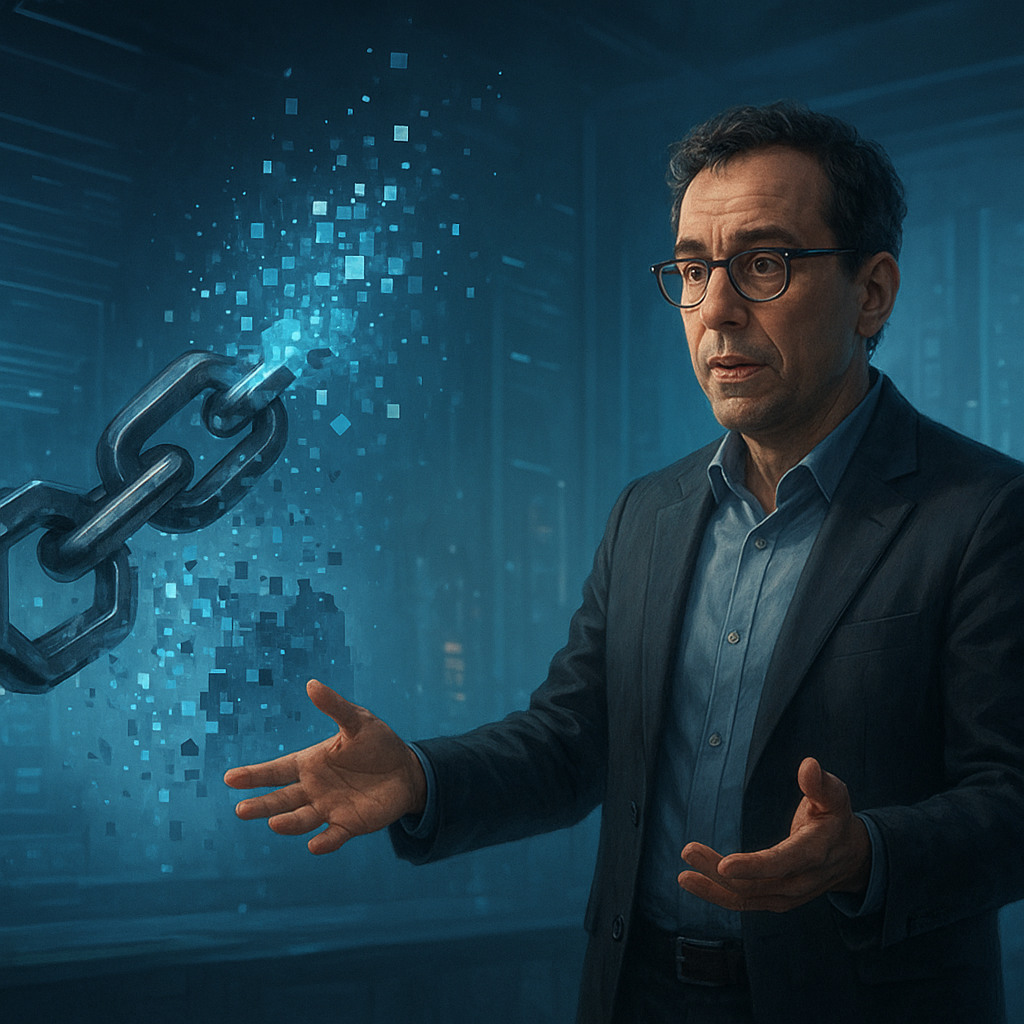

Artificial intelligence has quietly become part of everyday creative work. What once required professional software, long learning curves, and hours of manual effort can now be done faster and more intuitively. This shift is not about replacing creativity, but about reshaping how ideas move from imagination to image. Today, AI tools are increasingly used as creative partners rather than shortcuts.
From Technique to Intention
Traditional image editing has always been technical. Layers, masks, brushes, resolutions — all of this demanded skill before expression even began. Modern AI-based workflows flip this logic. Instead of focusing on how to achieve an effect, creators can focus on why they want it.
This change is especially visible in tools built around visual generation and enhancement. An AI Image Generator, for example, doesn’t ask the user to master composition rules or lighting theory. It interprets intent — often expressed in simple language — and translates it into visuals. The result is not just speed, but accessibility.
AI Image Generation as a Creative Process
There is a misconception that AI-generated images are random or generic. In reality, generation is a dialogue. Each prompt, adjustment, or iteration reflects a creative decision. Over time, users develop their own style of interaction with AI systems, learning how subtle changes in input shape the final output.
An AI Image Generator becomes less like a button and more like a sketchbook — a space for experimentation. Artists use it to explore concepts, designers test visual directions, and creators prototype ideas before committing to a final version.
What matters here is not perfection, but exploration.
Enhancing Instead of Replacing
Another important direction in AI creativity is enhancement rather than generation. Many creators already have images — photos, scans, or artworks — that simply don’t meet modern quality standards. This is where tools like an AI Image Upscaler play a key role.
Upscaling used to mean interpolation: stretching pixels and hoping for the best. AI-based upscaling works differently. It analyzes patterns, textures, and edges, then reconstructs missing detail in a way that feels natural. The goal isn’t to invent something new, but to restore clarity.
For photographers, this can mean reviving old photos. For designers, it means adapting assets to new formats without losing quality. The process is subtle, but its impact is significant.
Identity and Transformation in Visual Media
One of the most discussed applications of AI in imagery is identity manipulation — especially face replacement. A Face Swap Photo is often associated with entertainment, but the underlying idea is more nuanced.
At its core, face swapping is about context. It allows creators to explore how identity interacts with style, era, or emotion. Filmmakers use it for pre-visualization, artists for conceptual work, and educators for simulations. Like any tool, its value depends on intention and ethics.
When used thoughtfully, face swapping becomes a way to experiment with perspective rather than a gimmick.
The Role of Human Judgment
Despite their growing capabilities, AI systems do not make creative decisions on their own. They respond to guidance, constraints, and taste. Human judgment remains central — selecting results, refining outputs, and deciding what feels right.
This is why AI creativity often feels collaborative. The machine handles complexity and repetition, while the human focuses on meaning, aesthetics, and context. The balance between automation and authorship is where the most interesting work happens.
A Shift in Creative Culture
What we are witnessing is not just new software, but a cultural change. Creativity is becoming more iterative, more playful, and less intimidating. AI tools lower the cost of experimentation, allowing more people to participate in visual creation without needing formal training.
At the same time, this accessibility challenges creators to be more intentional. When generating images is easy, choosing which images matter becomes the real skill.
Looking Forward
AI in visual art is still evolving. Tools will become more precise, more customizable, and more transparent. But the core idea is already clear: AI is not a replacement for creativity, but an extension of it.
Whether through an AI Image Generator, an AI Image Upscaler, or a Face Swap Photo, these technologies invite creators to rethink their process. Not to work faster for the sake of speed, but to explore ideas more freely.
In the end, the most valuable outcome of AI tools may not be the images themselves, but the creative confidence they give to those who use them.