The world of 3D video animation has always been driven by creativity, technology, and storytelling. But over the past few years, the pace of innovation has accelerated due to the rise of Artificial Intelligence (AI) and Machine Learning (ML). What used to require weeks of modeling, rigging, or rendering can now be optimized through automated pipelines and intelligent systems that learn from data and artist inputs. For brands, studios, and even independent creators, this shift isn’t just a trend. It is reshaping how 3D animated content is imagined, produced, and delivered.
The Role of AI in Modern 3D Animation Pipelines
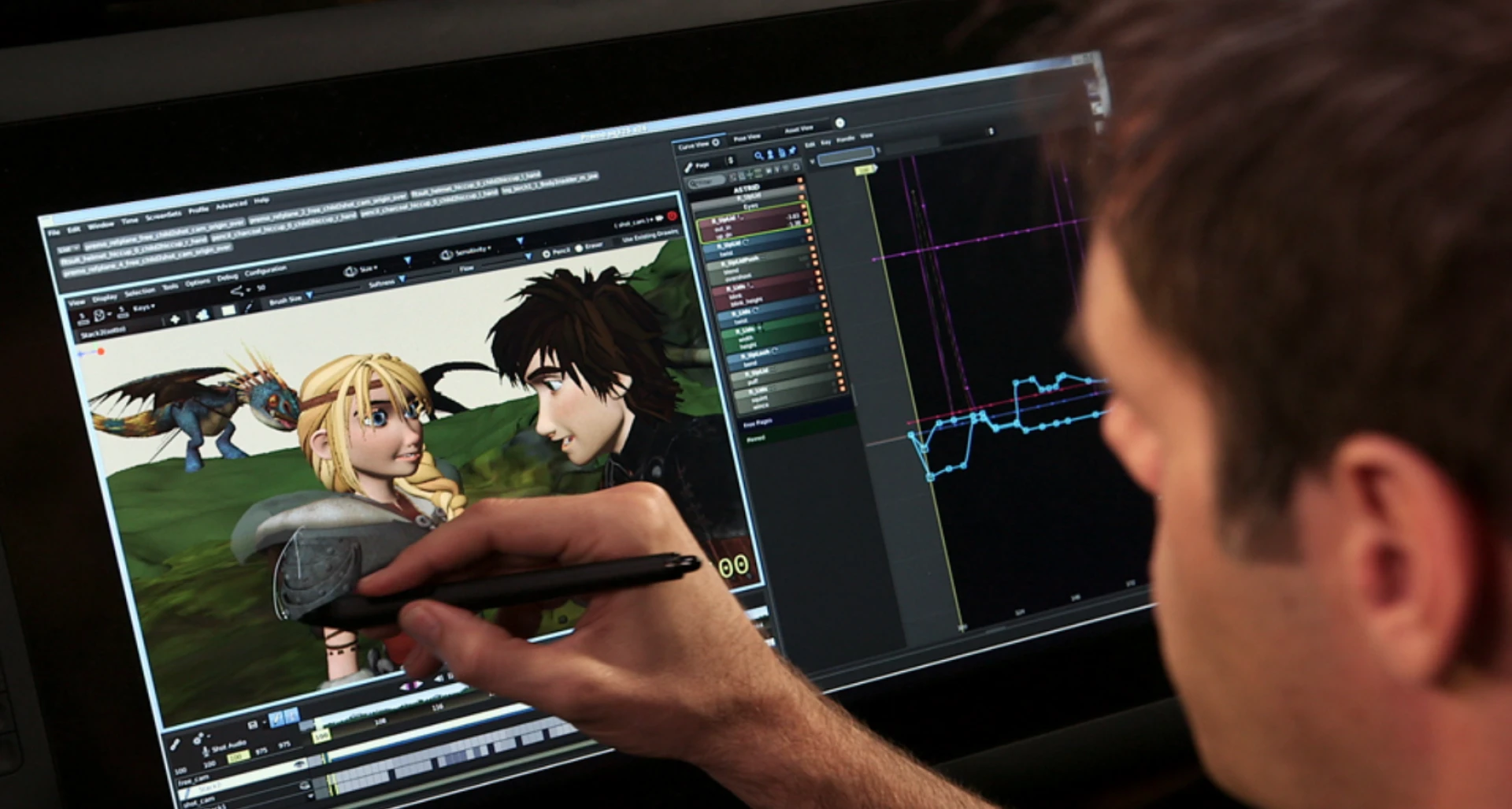
Traditionally, 3D animation involves many technical layers. Artists must sculpt models, create textures, animate movements frame by frame, and manage complex lighting conditions. AI tools are helping reduce repetitive manual work, allowing animators to focus more on storytelling, mood, and character expression.
For example:
AI-assisted rigging can automatically set up character bones based on reference models.
Motion prediction algorithms can analyze real human movement and apply it to 3D characters.
Generative systems can help produce textures, backgrounds, and even character variations in seconds.
Instead of replacing artists, AI acts as an intelligent assistant that handles the heavy lifting.
Machine Learning and Motion Capture Improvements
Motion capture used to require expensive studio setups. ML now allows animators to capture realistic motion using simple camera input or even smartphone video. Machine learning models recognize joint points, weight balance, and body motion patterns accurately enough to map them onto animated characters.
This leads to:
Faster character animation cycles
More natural movement and facial expressions
Reduced production costs, particularly for smaller studios and marketing teams
For 3D animation in advertising, gaming, and product walkthroughs, this opens doors for more fluid and believable storytelling.
AI-Driven Rendering: Faster and Smarter Output
Rendering is one of the most time-consuming tasks in 3D video animation. A single scene with high-quality lighting and shadows can take hours or days to finalize. AI-based rendering engines, however, can estimate lighting, simulate depth, and refine details intelligently.
The result:
Shorter rendering times
Real-time visualization of scenes
Reduced hardware requirements
Lower production costs
This is especially valuable for teams producing animated ads or 3D explainer videos with tight deadlines.
Creating Hyper-Realistic Characters and Environments
Generative AI models can now:
Analyze photographs
Understand real-world textures
Reconstruct surfaces and lighting environments
This allows artists to build realistic characters, environments, and props without manually designing every detail. Animation no longer depends solely on imagination. It also benefits from real-world reference learning captured through machine intelligence.
What This Means for Brands and Creative Teams
As businesses increasingly use animated videos to communicate, product demos, brand storytelling, and advertising are shifting toward immersive and visually rich formats. A 3D video animation company that integrates AI and ML into its workflow can deliver:
Faster production turnaround
Higher visual quality
More flexible revisions
Lower overall project costs
This makes 3D animation accessible not only to large studios but also to startups, e-commerce brands, and educational creators who want high-impact visuals without long production delays.
The Human + AI Collaboration
It’s important to clarify that AI does not eliminate the role of artists. Instead, it enhances their creative control. Human insight, imagination, emotion, humor, and cultural understanding cannot be automated. What AI does is remove barriers, simplify complexity, and make the creative process more fluid.
Think of AI as a powerful support system that enables animators to:
Spend more time on narrative depth and emotional storytelling
Experiment with visual direction and character identity
Produce more variations and versions faster
Final Thoughts
AI and Machine Learning are not just improving 3D video animation workflows. They are redefining what is possible. Whether for entertainment, marketing, gaming, product visualization, or education, the new animation era is more efficient, expressive, and accessible than ever.
Brands looking to differentiate their digital presence or create memorable storytelling will benefit greatly from partnering with a 3D video animation company that understands and applies these new technologies.
The future of animation isn’t about replacing creativity. It’s about empowering it.