
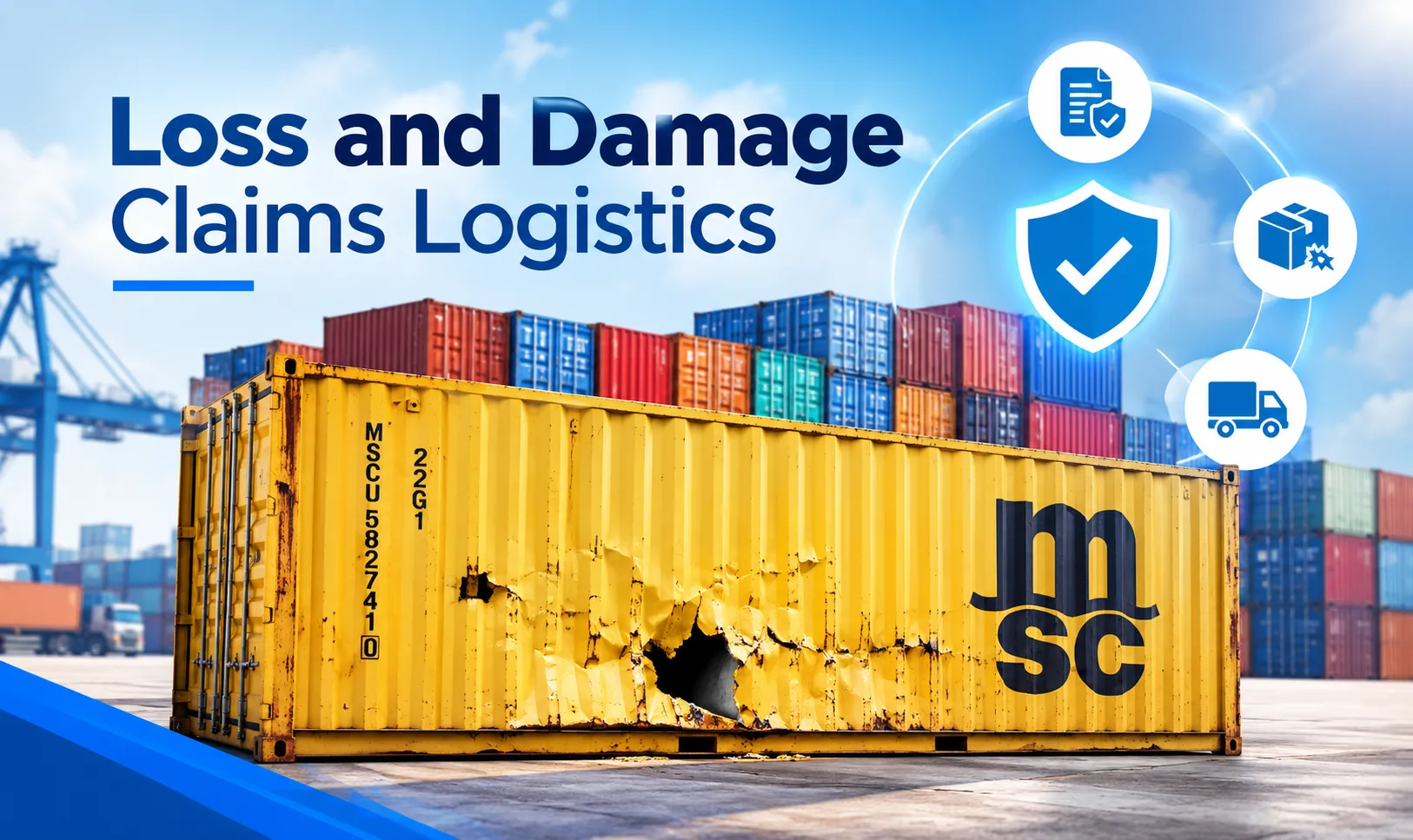
Loss and damage claims logistics is the process of documenting, filing, tracking, and recovering payment from carriers for freight that arrives damaged, short, or not at all. AI improves this process by capturing documents automatically, catching errors before filing, protecting carrier deadlines, and predicting which claims will be paid. Shippers recover more money in less time.
Why Are Loss and Damage Claims So Difficult to Manage?
A single claim needs a bill of lading, proof of delivery, photos, invoices, and inspection notes, often collected from several people. If one document is missing, the claim stalls. Carriers also enforce strict filing windows, so a few days of delay can turn a valid claim into a rejected one.
How Does AI Speed Up Claim Filing?
AI reads delivery receipts, invoices, and damage photos within seconds and places the details into the correct claim fields. Image analysis can compare visible damage against the reported cause. Teams file complete packages the first time, which strengthens evidence and shortens the back and forth with carriers.
How Does Freight Bill Auditing Improve Claim Accuracy?
Every claim is tied to what the shipper was billed. Freight bill auditing confirms that charges match contracted rates, weights, and accessorials before a claim is built on top of them.
Consider a hypothetical shipment where goods worth 12,000 dollars arrive damaged. A freight bill audit shows the carrier billed 1,100 dollars against a contracted rate of 950 dollars, plus a duplicate accessorial of 85 dollars. The claim now recovers the product value, and the shipper also reclaims 235 dollars in billing errors. Without the audit, both the claim and the overcharge would have been paid at face value.
Where Does AI Make the Biggest Operational Difference?
Missed filing deadlines happen because of manual tracking, which leads to rejected claims. Automated alerts fix this.
Incomplete claim packages are caused by scattered documents, resulting in delays and denials. Document recognition fixes this.
Repeat damage on the same lanes comes from having no pattern analysis, causing ongoing losses. Predictive analytics fixes this.
- Billing errors inside claims stem from unverified invoices, which reduces recovery. Automated invoice matching fixes this.
How Does Freight Claims Software Help Operations and Finance Teams?
Freight claims software places every step on one platform, from claim creation to escalation and settlement. AI prioritizes high value claims, drafts carrier communication, and estimates which claims are likely to be paid or denied. Finance leaders gain clear reports on recovery rates, settlement times, and carrier performance, which supports budgeting and carrier negotiations.
The same data also supports prevention. When analysis shows that one terminal or packaging type drives repeated damage, shippers can change routing, improve packing, or adjust carrier terms. Claims data also feeds broader freight spend analytics and cost control.
What Should Shippers Look for in Freight Bill Audit Companies?
Strong freight bill audit companies combine machine learning with experienced human review. Look for providers that integrate with your transportation and accounting systems, offer transparent reporting, and handle both small and large claim volumes. Security, easy onboarding, and access to logistics specialists matter as much as the technology.
Ready to Recover More From Every Shipment?
Loss and damage will never disappear completely, but the way you respond can change. With the right technology and expertise, claims become a predictable process that protects your bottom line and strengthens carrier relationships.
If you want to file faster, audit every invoice, and uncover savings you may be missing, partner with nVision Global. Our team pairs advanced AI with deep logistics expertise to streamline claims and tighten freight spend control. Contact nVision Global today and see how smarter claims management can transform your supply chain operations.