
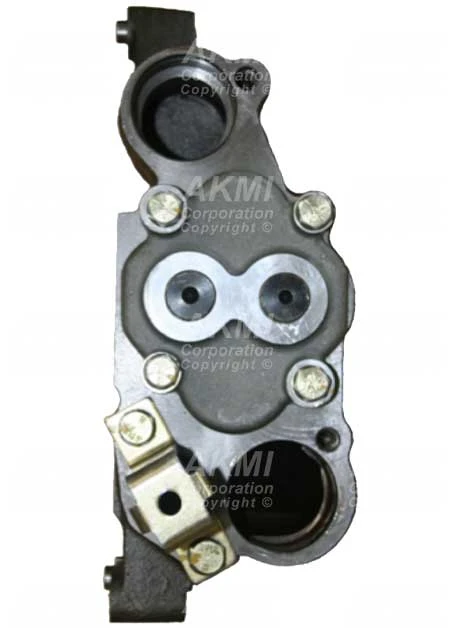
When it comes to keeping your engine running smoothly, many people focus on obvious parts like spark plugs, filters, or even the transmission. But one crucial component often flies under the radar—the oil pump. The oil pump is responsible for circulating oil throughout the engine, lubricating vital parts, reducing friction, and keeping everything cool. If it doesn’t work right, the entire engine can suffer. That’s why upgrading to a quality aftermarket oil pumps can be a smart move if you want to improve your engine’s reliability.
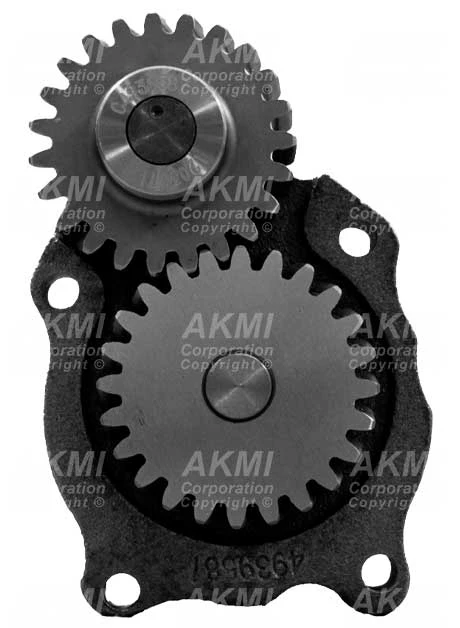
What Does an Oil Pump Do?
Before diving into how aftermarket oil pumps can help, it’s important to understand what the oil pump actually does. Think of it as the heart of your engine’s lubrication system. It pumps oil from the oil pan and pushes it through channels in the engine block and cylinder head. This flow of oil ensures that all the moving parts—like pistons, bearings, and camshafts—are coated with oil to prevent wear and overheating.
If the oil pump fails or isn’t working efficiently, oil pressure drops, and parts can quickly suffer damage. This can lead to costly repairs or even complete engine failure if left unchecked.
Why Consider Aftermarket Oil Pumps?
Stock oil pumps are designed to meet general standards and are often built to be cost-effective for mass production. While they work fine under normal driving conditions, they might not perform as well if you push your vehicle harder or if your engine has been modified for more power.
Aftermarket oil pumps are made by companies specializing in performance and reliability upgrades. These pumps often feature improved materials, tighter tolerances, and designs that provide better oil flow and pressure. By upgrading to an aftermarket oil pump, you’re investing in more consistent lubrication and better protection for your engine.
At AKMI Corporation, for example, aftermarket parts—including oil pumps—are engineered to meet or exceed OEM specifications. This means you’re not just getting a replacement, but a product designed for durability and performance. Choosing quality aftermarket parts from trusted suppliers ensures you get the reliability your engine deserves without the premium price tag of original equipment.
Improved Oil Pressure and Flow
One of the biggest advantages of aftermarket oil pumps is their ability to maintain steady oil pressure, especially under demanding conditions. When you accelerate hard, tow heavy loads, or drive in hot weather, your engine needs reliable oil flow to keep things running safely. An upgraded oil pump is better at maintaining pressure during these times, reducing the risk of oil starvation.
This is especially important if you’ve installed other performance parts like a high-performance camshaft or turbocharger. These upgrades often increase the engine’s demand for oil, and a stock pump might struggle to keep up. An aftermarket pump can handle the extra workload, giving you peace of mind.
Better Durability and Longevity
Aftermarket oil pumps are typically built with higher-quality materials compared to factory parts. This means they resist wear and tear better and tend to last longer. For example, some pumps use hardened gears or upgraded coatings that reduce friction inside the pump itself. The result? A component that stays reliable over many miles and harsher driving conditions.
Suppliers like AKMI Corp focus on rigorous quality control to ensure aftermarket parts meet strict standards. When you select such parts, you’re investing in components that won’t just get you back on the road but will keep your engine protected for the long haul.
Easier Maintenance and Replacement Options
Because aftermarket oil pumps are popular among car enthusiasts and mechanics, they often come with better availability and sometimes even improved designs that make installation or maintenance easier. Some aftermarket options are designed to fit directly into your existing engine without major modifications, while others offer bolt-on improvements for specific vehicle models.
In many cases, aftermarket pumps also come with better warranties or support from manufacturers who focus on performance parts. This gives you extra confidence when making the upgrade.
When to Consider Upgrading Your Oil Pump
You don’t necessarily need an aftermarket oil pump if your vehicle is just a daily driver with no performance upgrades. But if you’re experiencing low oil pressure, strange noises, or warning lights related to lubrication, it’s worth checking your pump.
Also, if you’re building a performance engine or pushing your current setup harder than stock, upgrading your oil pump should be part of your plan. It’s one of those behind-the-scenes upgrades that can make a big difference in how long your engine lasts.
Things to Keep in Mind
Before swapping your oil pump, it’s a good idea to talk to a trusted mechanic or performance specialist. The right aftermarket oil pump depends on your engine type, driving habits, and any other modifications you’ve made. Not all pumps are created equal, and choosing the wrong one might cause more harm than good.
Also, installation isn’t always a simple task. It usually requires draining the oil, removing the oil pan, and sometimes removing other components to access the pump. If you’re not comfortable working on engines, professional installation is highly recommended.
Final Thoughts
While often overlooked, the oil pump is a vital part of your engine’s health. Upgrading to an aftermarket oil pump can provide more consistent oil pressure, better durability, and improved overall engine reliability—especially if you drive hard, have performance mods, or just want to give your engine some extra protection.
By ensuring your engine’s lubrication system is in top shape with quality aftermarket parts like those offered by AKMI Corporation, you reduce the risk of expensive repairs and keep your vehicle running smoothly for years to come. So if reliability is a priority for you, an aftermarket oil pumps is definitely worth considering as part of your maintenance or upgrade plan.