In an era marked by technological breakthroughs and continuous advancement, the automotive industry is evolving beyond just performance enhancements. Today, drivers and enthusiasts alike are witnessing a transformation in automotive customization. From structural innovations to aesthetic upgrades, advanced research in materials science and digital modeling is ushering in a new era of car personalization. In this post, we explore how cutting-edge developments in automotive customization—particularly in the realm of window tinting—are changing the way we think about style, safety, and functionality.
The Evolution of Automotive Customization
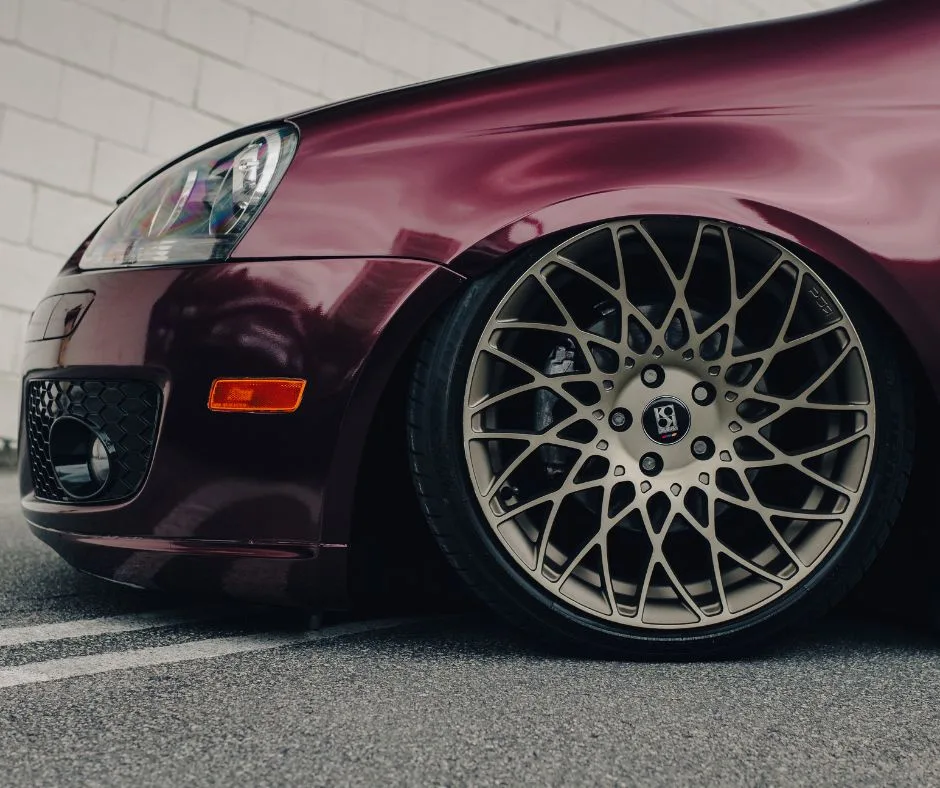
The automotive industry has long been a playground for customization enthusiasts. However, what used to be a niche domain of body kits and custom paint jobs is now a sophisticated discipline that draws on advanced engineering, digital design, and smart materials.
Advances in Materials Science:
Recent developments in nanotechnology and material science have enabled manufacturers to produce lightweight yet durable materials that significantly improve both aesthetic appeal and vehicle performance. For instance, high-performance films used in window tinting are now engineered at a molecular level to provide superior heat rejection, UV protection, and even enhanced safety features. This innovation is part of a broader trend toward smarter customization solutions.
Digital Modeling and Simulation:
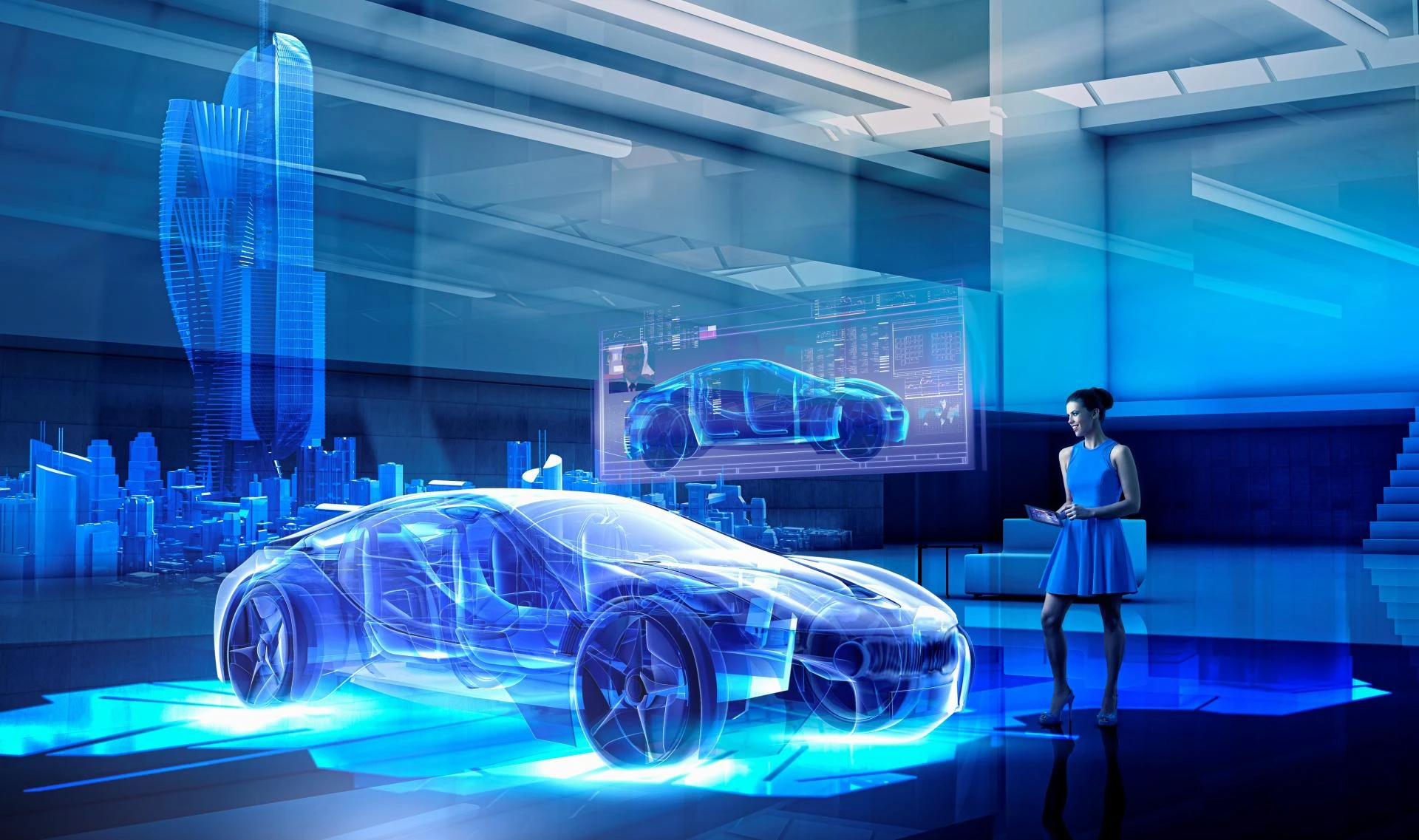
Before any physical modifications occur, designers and engineers now rely heavily on computer-aided design (CAD) and simulation software to predict performance outcomes and fine-tune aesthetics. Advanced algorithms can simulate environmental factors—such as heat, light, and even the stresses of everyday driving—helping professionals choose the most effective customization solutions. This digital-first approach reduces waste, saves time, and results in better overall performance and design integration.
Integration of Electronics and Smart Technologies:
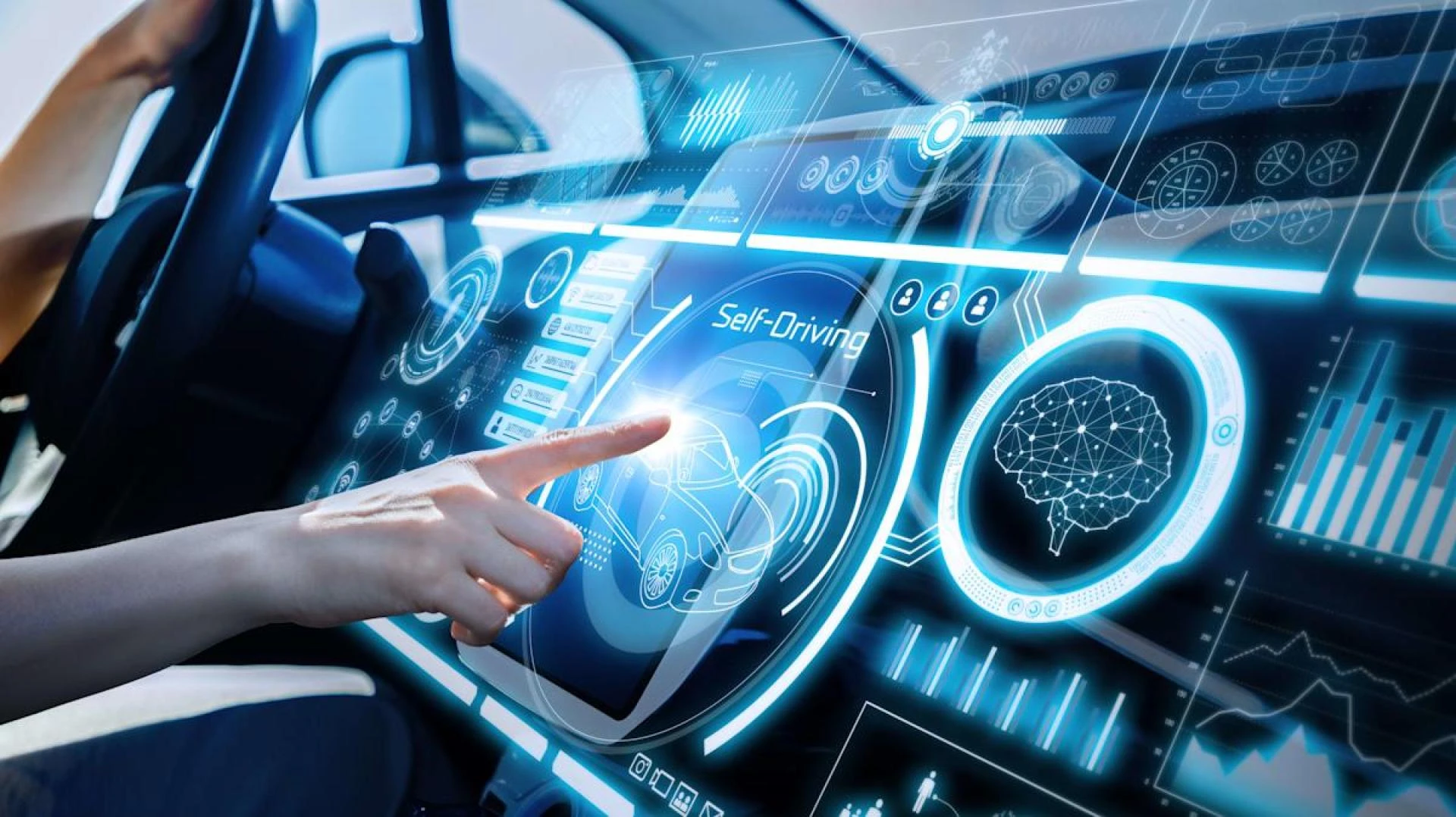
Modern automotive customization is not simply about enhancing the exterior; it also involves integrating smart technologies. From customizable lighting to adaptive window tinting systems that adjust to sunlight intensity, today's vehicles incorporate features once thought to be science fiction. These integrated systems improve comfort, safety, and energy efficiency, representing a convergence of automotive engineering and consumer electronics.
Advanced Window Tinting: Marrying Functionality and Style
Window tinting has moved beyond its traditional role of just providing privacy or a sleek look. It now plays a critical role in energy efficiency and passenger comfort.
Enhanced Thermal Regulation:
New window tint films are engineered to block a significant portion of solar heat without compromising visibility. This technology not only keeps the interior of the car cooler during summer months but also helps reduce the load on the air conditioning system, thereby improving fuel efficiency. Some advanced films incorporate metallic particles or ceramic compounds that reflect infrared light and safeguard against harmful UV rays.
Innovative Safety and Security Features:
Beyond thermal protection, modern tinting solutions are designed to strengthen windows against shattering in the event of an accident. This innovation is particularly significant as it adds an extra layer of safety. When integrated with smart sensors, these advanced films can even alert drivers to break-in attempts or sudden impacts, further enhancing vehicle security.
Customization in the Digital Age:
Today’s automotive tinting technology is customizable to the individual preferences of the driver. Advanced tint films can be designed to vary in opacity, color, and reflectivity—all of which are determined through digital simulations to match exact vehicle specifications. Such customization options empower drivers to not only improve their car’s performance but also its overall appearance and functionality.
The Intersection of Regulation and Innovation
As impressive as these innovations are, the world of automotive tinting also navigates a complex regulatory landscape. Regulations concerning vehicle modifications vary widely by region and are especially stringent when it comes to window tinting.
Understanding Tint Regulations:
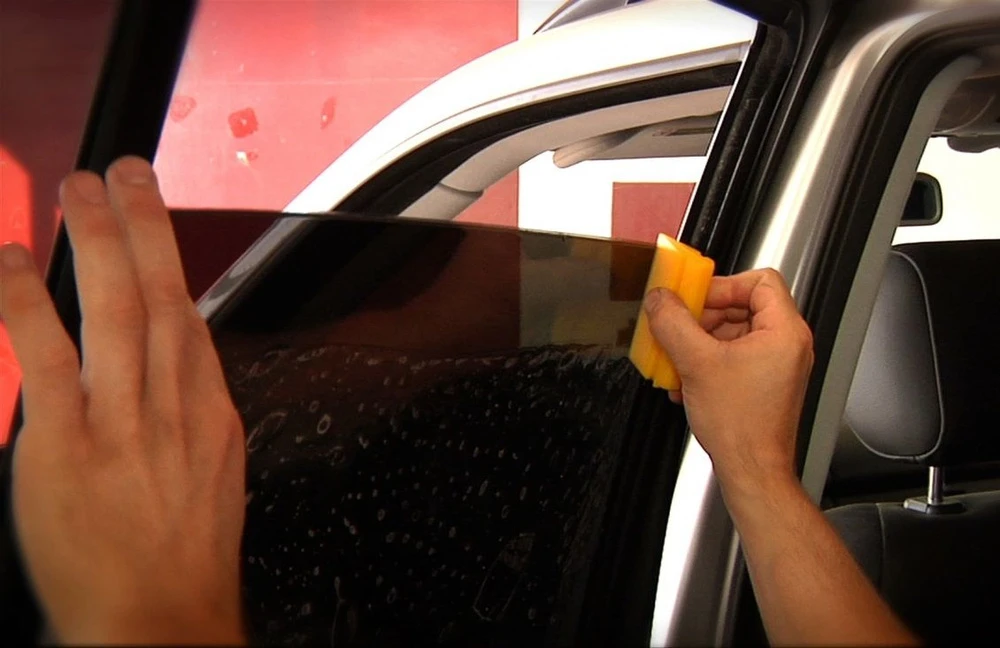
In many jurisdictions, laws are in place to ensure that window modifications do not compromise driver visibility or safety. These regulations often specify acceptable levels of light transmittance through the windows. For those wondering, can you tint a leased car? many drivers might be hesitant due to strict manufacturer and lease agreement stipulations. However, with advanced tinting films that are easily reversible and minimally invasive, even leased vehicles can be customized within legal boundaries without permanent alterations. This adherence to rules exemplifies the balance between innovation and compliance.
The Role of Tint Percentages:
Another vital aspect concerns tint percentages, which dictate how much light can pass through a window. These measurements are not arbitrary; they are the result of meticulous testing and advanced engineering to determine the optimal balance between privacy, heat rejection, and safety. Automakers and aftermarket developers utilize precise tint percentages to ensure that their films provide optimal performance while aligning with local laws. The dialogue between regulation and technology continuously evolves as both industries push for advancements that not only meet legal standards but also set new benchmarks in safety and efficiency.
Technological Trends Shaping the Future of Customization
As the automotive industry moves forward, several technological trends are paving the way for even more advanced customization solutions.
Smart Tint Technologies:
Imagine a car where the window tint adjusts dynamically according to the external light conditions. Smart tint technologies, using electrochromic or photochromic materials, are making this a reality. These systems can automatically darken the windows in bright sunlight or lighten them when visibility is crucial—enhancing both comfort and safety without any manual intervention.
The Integration of Internet of Things (IoT):
Today’s vehicles are increasingly connected, allowing customization features to be controlled via smartphone apps or onboard infotainment systems. IoT integration in tint technology means that drivers could potentially control the opacity of their tints on the fly, adjusting for both privacy and optimal driving conditions. Such advances are not just a luxury; they are a step toward smarter, more energy-efficient vehicles.
Environmental Impacts and Sustainability:
As sustainability becomes more critical in every industry, automotive customization is also focusing on reducing environmental impacts. Advanced tint films often use eco-friendly materials that are recyclable and made from sustainable sources. In addition, by enhancing the energy efficiency of vehicles, these films contribute to lower emissions and decreased fuel consumption—an important consideration as stricter environmental regulations come into force globally.
Enhanced Security Through Integration:
The future of automotive customization lies in comprehensive vehicle integration. Beyond individual enhancements, future cars will feature systems where every component—be it exterior tinting, lighting, or safety systems—communicates with one another. This holistic approach ensures that modifications not only look good but also work cohesively to provide unprecedented levels of safety and performance.
Overcoming Common Challenges in Automotive Development
Even with these exciting advancements, there are challenges that developers and manufacturers face in this rapidly evolving field.
Balancing Innovation and Regulation:
One of the largest hurdles is keeping up with regulatory requirements while pushing the boundaries of what’s possible technologically. Manufacturers must invest in research and development to create products that meet diverse legal standards across different regions. This often involves extensive testing, certification, and iterative design processes to ensure that every innovation is both effective and compliant.
Cost vs. Benefit Analysis:
Advanced customization features—especially those that integrate smart technology—often come at a premium price. Car owners must weigh the benefits of enhanced performance, safety, and aesthetics against the higher costs. As these technologies become more mainstream, production scales increase, which is expected to drive prices down. However, for now, cost remains a significant factor in adoption rates.
Consumer Education and Adoption:
Many drivers are still not fully aware of the benefits that advanced customization can provide. The transition from traditional approaches to more modern, technologically advanced systems requires consumer education. Manufacturers and dealers must work together to inform potential customers about the long-term advantages of investing in high-tech automotive solutions, including energy efficiency, safety enhancements, and improved resale value.
Case Studies: Innovations in Action
To better understand the impact of advanced automotive customization, let’s delve into a few case studies that highlight real-world applications of these technologies.
Case Study 1: Dynamic Tinting in High-Performance Vehicles
A leading automotive manufacturer recently integrated electrochromic tint technology into its lineup of high-performance sports cars. The smart tint system not only enhances the driver’s comfort by automatically adjusting the darkness of the windows based on sunlight exposure but also significantly reduces the heat buildup inside the cabin. Drivers reported increased comfort during long drives, and the feedback has been overwhelmingly positive regarding the impact on energy efficiency.
Case Study 2: Sustainable Tint Solutions for Urban Commuters
Another prominent company has focused on developing eco-friendly tint films that adhere to strict sustainability standards. Using recyclable materials and green production processes, the company has created tint solutions that offer robust protection against UV rays while drastically reducing the vehicle’s interior heat buildup. Urban commuters, in particular, benefit from these innovations as they contribute to lower energy consumption and improved fuel efficiency.
Case Study 3: Retrofit Innovations for Leased Vehicles
Customization isn’t reserved solely for personalized purchases. Innovative retrofit solutions have been developed for leased vehicles, where modifications must remain reversible. By using non-permanent adhesive techniques and specially designed tint films, these solutions allow lessees to enjoy the benefits of advanced tint technology without breaching lease agreements. This innovation illustrates how even the most restrictive scenarios can accommodate high-tech customization while respecting legal and contractual obligations.
The Future Landscape of Automotive Customization
Looking forward, automotive customization is poised to become even more intertwined with emerging technologies such as artificial intelligence (AI), machine learning (ML), and blockchain. As these trends continue to shape various industries, the automotive sector will benefit from:
- Predictive Customization: AI-driven analytics can predict consumer preferences and optimize customization features based on usage patterns and climate data.
- Blockchain for Transparency: Implementing blockchain technology in the manufacturing and aftermarket parts supply chain can ensure authenticity, reduce fraud, and streamline warranty claims for customized products.
- Augmented Reality (AR) in Design: AR is revolutionizing the way consumers interact with customization options. By virtually trying out different tint levels and design modifications in real time, drivers can visualize their options before making a commitment.
- Enhanced Data Security: As more vehicles become connected, ensuring data security remains paramount. Advanced encryption techniques will help safeguard personalization settings and vehicle performance data, ensuring that the benefits of customization do not come at the expense of security.
FAQs
1. What are the benefits of advanced window tinting technology compared to traditional tinting?
Advanced window tinting technology goes beyond basic aesthetics. It improves thermal regulation, enhances UV protection, and offers additional safety features by strengthening the glass. With smart tint systems, the technology even allows dynamic adjustment to light conditions, ensuring that your vehicle remains both comfortable and secure in all weather.
2. How do smart tint technologies work, and what advantages do they offer?
Smart tint technologies use electrochromic or photochromic materials to automatically adjust the shade of the windows based on environmental light levels. This means that as the sun intensifies, the tint darkens to reduce heat and glare; and when driving at night or in low light, the tint lightens for better visibility. These automatic adjustments improve driving comfort while saving energy by reducing the need for excessive air conditioning.
3. Can you tint a leased car without violating lease agreements?
Yes, many advanced customization systems are designed with leased vehicles in mind. Reversible tinting solutions allow lessees to enjoy the benefits of an upgraded look and improved energy efficiency without making permanent alterations, thus remaining in compliance with lease contracts.
4. What are tint percentages, and why are they important in window customization?
Tint percentages refer to the level of light allowed to pass through your vehicle’s windows. They are determined through precise testing and standards to ensure safety and aesthetic appeal while complying with local regulations. Getting the right tint percentages is crucial for balancing visibility, security, and overall performance of the tinting film.
5. How is the integration of IoT technology expected to change the future of automotive customization?
The integration of IoT technology means that vehicles can soon have centralized systems controlling every customization element—from window tinting to ambient lighting. With connectivity, features can be adjusted in real time based on driver preferences and environmental conditions, leading to smarter, more efficient, and personalized automotive experiences.
Conclusion
The landscape of automotive customization is being reshaped by cutting-edge technology, advanced materials, and digital innovations. By combining aesthetic enhancements with improved safety features, energy efficiency, and smart integration, modern customization techniques allow drivers to personalize their vehicles like never before. As we continue to see advancements in smart tint technologies and sustainable solutions, the automotive industry is not only keeping up with regulatory demands but also pushing the envelope in what’s possible.
Whether you are a tech enthusiast, a performance-driven driver, or simply looking for ways to enhance your everyday commute, the future of automotive development holds exciting possibilities. From dynamic window tinting that adapts to changing light conditions to environmentally friendly materials that boost efficiency, the advances we see today are setting the stage for the innovations of tomorrow.
As automotive technology becomes increasingly sophisticated, staying informed and embracing new developments is essential. Advanced customization solutions not only redefine the vehicle aesthetics but also ensure that every modification enhances functionality and adheres to evolving industry standards. With these cutting-edge trends, the future is bright—and tinted—with endless possibilities for innovation in car design and performance.