
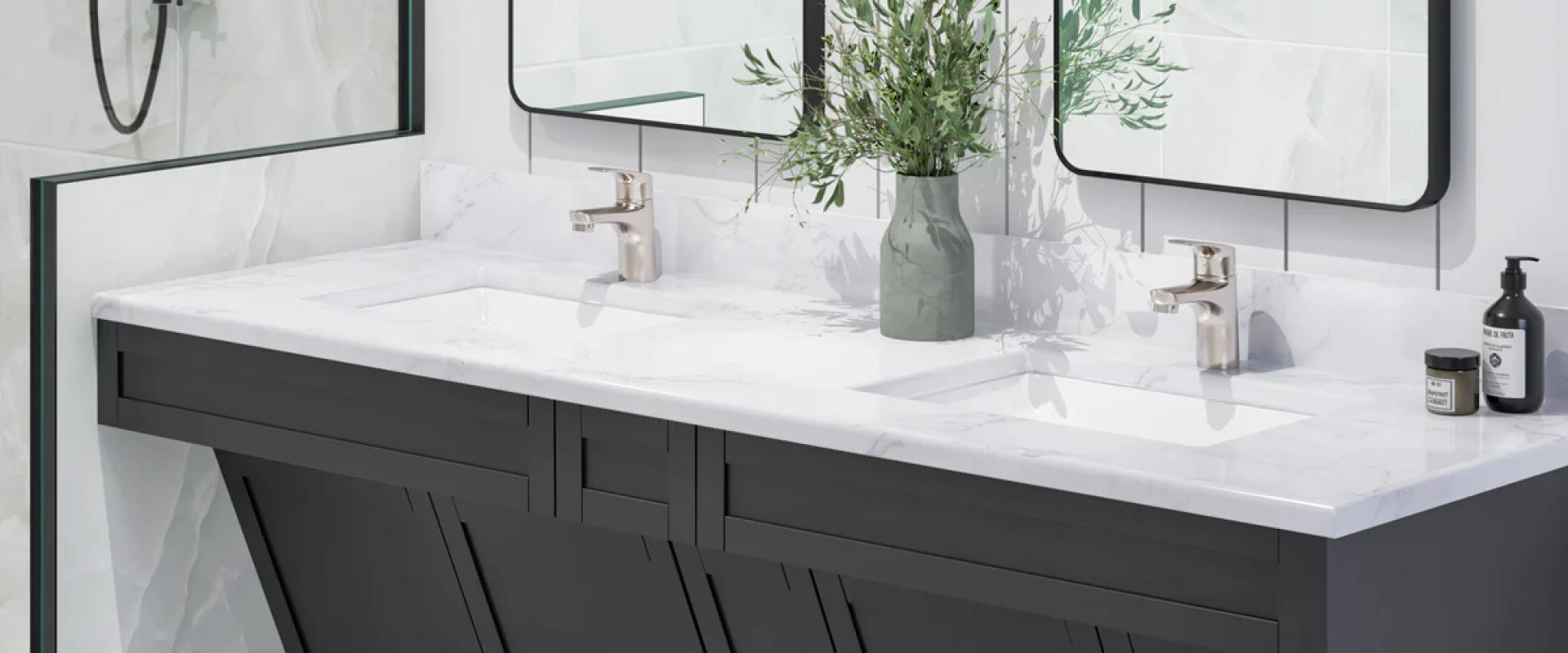
Accessibility is a critical aspect of modern bathroom design, particularly in public spaces, commercial buildings, and residential settings where individuals with disabilities or mobility limitations need safe and convenient access. ADA compliant sinks are specifically designed to meet the standards of the Americans with Disabilities Act, ensuring that everyone, regardless of physical ability, can comfortably use bathroom facilities. By focusing on features like height, clearance, and user-friendly controls, these sinks play a significant role in creating inclusive environments.
The primary purpose of an ADA compliant sink is to eliminate barriers that might prevent individuals with disabilities from using a bathroom safely. Traditional sinks often have cabinets, pedestals, or fixtures that restrict access for wheelchair users, making it difficult to reach faucets or position oneself comfortably. ADA-compliant designs address these issues with open space underneath, appropriate rim height, and accessible controls. This thoughtful design ensures that all users can independently and safely perform essential hygiene activities, such as handwashing.
Key Features That Enhance Accessibility
ADA compliant sinks include several design elements that directly improve accessibility. One of the most important features is the proper height of the sink rim, which should not exceed 34 inches from the floor. This height ensures that wheelchair users can comfortably reach the basin and faucet without straining. Additionally, these sinks provide adequate knee clearance, typically at least 27 inches high, 30 inches wide, and 19 inches deep, allowing users to roll their wheelchairs close to the sink without obstruction. For those seeking high-quality solutions that combine functionality and compliance, an ADA Compliant Sink offers a range of designs tailored to meet accessibility standards while maintaining aesthetic appeal.
Faucet accessibility is another key feature that enhances usability. Lever-operated, push-type, and sensor-activated faucets are commonly included in ADA sinks to accommodate individuals with limited strength or dexterity. These faucet types require minimal effort to operate and reduce the risk of injury. Sensor-activated faucets are especially useful in public or high-traffic areas, as they are touch-free, reducing the spread of germs while maintaining ease of use. Proper faucet placement within reach from a seated position is critical to ensure maximum comfort and accessibility.
Benefits in Residential Settings
In residential bathrooms, ADA compliant sinks provide independence for individuals with mobility challenges, including elderly users and those with disabilities. Homeowners can choose from wall-mounted, pedestal, or countertop designs that fit the bathroom layout while providing sufficient clearance and accessibility. Wall-mounted sinks, for example, leave open space underneath, allowing wheelchair users to approach easily. These features enable individuals to perform everyday hygiene tasks without assistance, fostering a sense of independence and dignity.
In addition to improving usability, ADA sinks in homes can also increase safety. Exposed plumbing is often insulated or covered to prevent accidental contact, and rounded edges on sinks minimize the risk of injury. Properly installed ADA sinks help prevent falls and reduce strain on users, making the bathroom a safer environment for everyone.
Impact on Commercial and Public Facilities
In commercial and public facilities, ADA compliant sinks are crucial for ensuring accessibility for all visitors, employees, and patrons. Restaurants, airports, schools, hospitals, and office buildings all benefit from sinks that meet ADA standards. These sinks not only comply with legal requirements but also promote inclusivity, allowing people with disabilities to use restroom facilities comfortably and independently. High-traffic environments particularly benefit from features such as durable materials, sensor faucets, and low-maintenance designs, which combine accessibility with long-term reliability.
Water efficiency is another advantage of ADA sinks in public settings. Many models include low-flow faucets, aerators, or sensor controls, which reduce water consumption without compromising functionality. This feature is particularly important in facilities with multiple sinks or frequent use, contributing to sustainability and cost savings over time.
Installation and Maintenance Considerations
Proper installation is essential for ADA compliant sinks to achieve their accessibility goals. Wall reinforcement may be required for wall-mounted models, and adequate floor space must be maintained to allow wheelchair maneuverability. In addition, the height and clearance must be carefully measured to comply with ADA guidelines. Once installed, regular maintenance is important to ensure that faucets, drains, and sensors remain functional. Using durable materials such as stainless steel, solid surface composites, or reinforced ceramics helps minimize wear and tear while maintaining accessibility over time.
Conclusion
ADA compliant sinks are a vital component of accessible bathroom design, improving usability, safety, and independence for individuals with disabilities or mobility limitations. By incorporating proper height, knee clearance, user-friendly faucet controls, and durable materials, these sinks ensure that bathrooms are functional for everyone. Their applications in residential, commercial, and public settings not only enhance accessibility but also promote inclusivity, sustainability, and long-term reliability. Choosing a high-quality ADA compliant sink ensures compliance with legal standards while providing a comfortable, safe, and user-friendly experience for all individuals.