In today's fast-paced manufacturing and logistics environments, optimizing product handling processes is crucial for achieving operational efficiency, reducing costs, and improving overall productivity. One of the key components that play a vital role in this optimization is the conveyor belt system. Among various types of conveyor belts available, the Sponge Conveyor Belt stands out as an innovative and versatile solution to common handling challenges.
What is a Sponge Conveyor Belt?
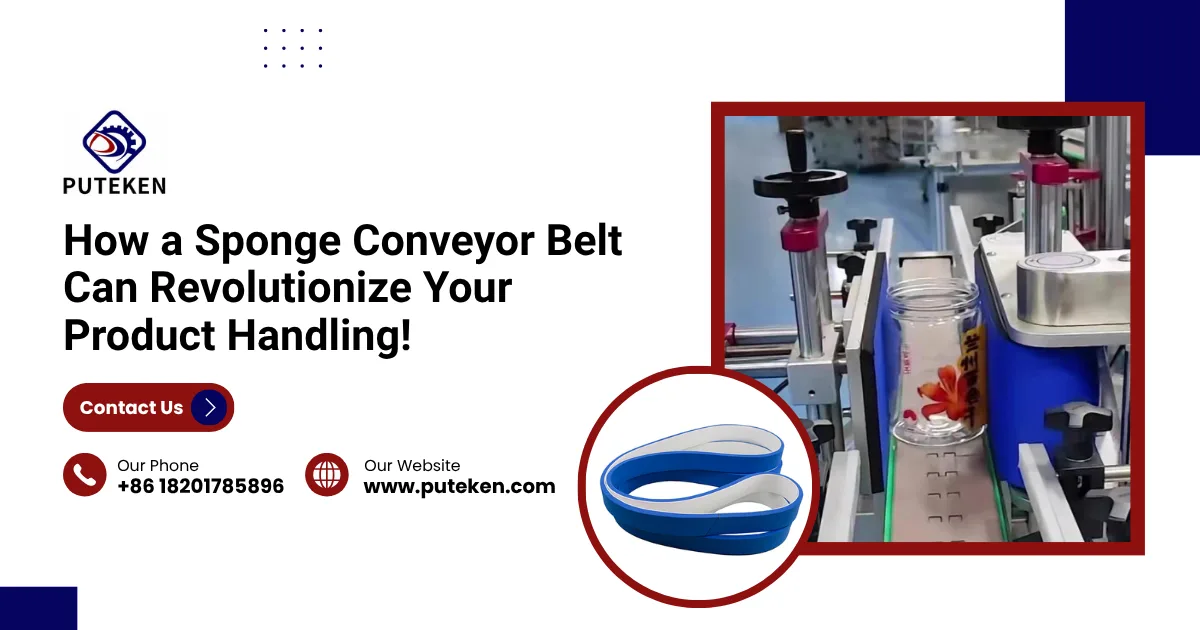
It is essential to understand what exactly a Sponge Conveyor Belt is. Unlike traditional flat or rubber conveyor belts, sponge conveyor belts have a distinctive construction that includes a layer of spongy or foam-like material integrated into the belt’s surface. This soft layer provides cushioning and flexibility, allowing the belt to handle delicate or irregularly shaped products more efficiently.
This revolutionary design offers several advantages compared to conventional belts, such as improved grip, shock absorption, and resistance to slipping or vibration. As a result, sponge conveyor belt is particularly well-suited for industries handling fragile, sensitive, or high-value goods.
Construction and Materials of Sponge Conveyor Belts
Typically, a Sponge Conveyor Belt comprises three main layers:
- Base Layer: The foundational strength layer, often made of woven fabric, polyester, nylon, or steel cords to provide tensile strength and durability.
- Middle Layer: Sometimes an additional layer of rubber or PU to provide structure and resistance to stretching or tearing.
- Top Sponge Layer: The defining spongy foam layer, usually polyurethane-based, offering elasticity, cushioning, and grip.
Why Polyurethane?
Polyurethane is preferred for the sponge layer because it combines excellent elasticity, abrasion resistance, and chemical durability. It is adaptable to different hardness levels (measured by Shore hardness), depending on the requirements of cushioning and grip.
Core Features and Benefits
Let’s analyze the key features of Sponge Conveyor Belts and how they translate into operational advantages:
a) Cushioning for Shock Absorption
The sponge layer absorbs impacts, reducing the force exerted on products during transfer, especially crucial in high-speed or incline conveyors.
b) Superior Grip & Anti-Slip Performance
This prevents product slippage even when moving inclined or wet items, ensuring consistent orientation and flow.
c) Flexibility & Versatility
The belt conforms to irregular shapes and uneven surfaces, reducing spillage and jams.
d) Resistance to Chemicals and Temperature Variations
Many belts are designed to endure oils, solvents, and temperatures ranging from freezing to moderately high heat, broadening their usability.
e) Noise Reduction
The SPF (sponge) layer dampens the noise typical of conveyor operations, contributing to a safer and more pleasant working environment.
Installation and Maintenance Best Practices
Proper installation and regular maintenance are essential to realize the full benefits of Sponge Conveyor Belts.
Installation Tips
- Ensure correct belt tension to avoid excessive stretching or slippage.
- Align rollers carefully to prevent belt drift or uneven wear.
- Select appropriate belt hardness and thickness tailored to your product and conveyor setup.
Maintenance Recommendations
- Regular visual inspections for wear, cuts, or contamination.
- Clean belts periodically using recommended detergents to remove dirt and residues without degrading sponge material.
- Check belt tracking and adjust if the belt veers off course.
- Replace belts promptly when wear exceeds safety margins to avoid operational disruption.
How to Choose the Right Sponge Conveyor Belt for Your Needs
Selecting the ideal Sponge Conveyor Belt depends on various factors:
- Product Characteristics: Fragility, size, weight, shape.
- Operating Environment: Temperature, humidity, chemical exposure.
- Conveyor Design: Speed, incline, load capacity.
- Compliance Requirements: Food safety, contamination control.
- Budget and Lifespan Expectations
Shanghai Puteken Transmission System Co., Ltd. offers tailored consulting to match belt selection precisely to your needs, ensuring maximum ROI.
Case Studies: Real-World Success Stories
Case Study 1: Food Processing Line Upgrade
A leading bakery manufacturer switched to a PU spindle Sponge Conveyor Belt to transport delicate pastries. Result: 40% reduction in product damage and 25% less downtime caused by jams.
Case Study 2: Electronic Assembly Plant
Replacing rigid belts with sponge conveyor belts minimized chip damage during assembly by 30%, improving product yield and customer satisfaction.
Environmental and Safety Considerations
Choosing Sponge Conveyor Belts contributes to sustainability by minimizing product waste and resource losses caused by damage. Additionally, the noise reduction improves worker comfort and reduces occupational hazards.
How a Sponge Conveyor Belt Improves Product Handling
Having considered the features, the following outlines how implementing a Sponge Conveyor Belt can bring revolutionary changes to your product handling operations:
1. Reduced Product Damage
Many industries, such as food processing, electronics manufacturing, and pharmaceuticals, deal with products that are sensitive or easily damaged during transit. Traditional conveyor belts can cause scratches, dents, or breakage as products move along the line. Thanks to the spongy cushioning, Sponge Conveyor Belts dramatically reduce the risk of damage by absorbing shocks and uneven pressure.
This reduction in product damage translates into tangible cost savings by lowering the number of rejects, returns, and warranty claims.
2. Enhanced Handling of Odd Shapes and Sizes
Unlike flat or hard belts, the sponge layer adapts better to uneven surfaces and irregularly shaped products. This flexibility ensures that items, whether large, small, round, or angular, maintain stable contact with the conveyor surface. Consequently, the risk of items tipping over or jamming decreases significantly.
3. Improved Traction and Control
The anti-slip nature of the sponge surface allows for better grip, preventing slippage even when belts are inclined or operating in wet conditions. This ensures smoother and more controlled material flow, reducing stoppages and bottlenecks.
4. Increased Operational Efficiency
When product damage is minimized and flow stability is maximized, overall production efficiency benefits notably. Less downtime for clearing jams, fewer pauses for damaged goods separation, and smoother movement contribute to leaner, continuous operations.
5. Better Worker Safety and Comfort
Noise pollution and physical hazards are ongoing concerns in production environments. The sponge layer's noise dampening effect creates a quieter workplace, while the belt’s shock absorption reduces mechanical stress on workers who handle or monitor conveyor operations.
Industry Applications of Sponge Conveyor Belts
Thanks to their versatile characteristics, Sponge Conveyor Belts are applicable across a wide array of industries:
-Food and Beverage Industry
Delicate food items like pastries, fruits, and chocolates require a soft surface to prevent bruising. Food-grade PU sponge belts meet hygiene standards while delivering gentle handling.
-Pharmaceutical Manufacturing
Capsules, vials, and blister packs are fragile and require careful transport. Sponge conveyor belts reduce contamination risks and damage.
-Electronic Components Handling
Bubble wrap or delicate microchips demand cushioned transport to avoid static, shock, or abrasion. Sponge belts ensure safe movement.
-Automotive Parts Assembly
The belts support parts with irregular contours, reducing noise and damage during line assembly.
-Textile and Garment Industry
Minimizes fabric snagging or tearing during transit.
Shanghai Puteken Transmission System Co., Ltd. offers tailored sponge conveyor belt solutions engineered specifically for the unique requirements of these industries, combining advanced materials and manufacturing techniques to deliver reliable, high-performance products.
Why Choose Shanghai Puteken for Your Sponge Conveyor Belt Needs?
As a recognized leader in the transmission system industry, Shanghai Puteken Transmission System Co., Ltd. excels in providing innovative conveyor belt solutions. Our expertise ensures that each Sponge Conveyor Belt meets stringent quality standards and is customized to suit particular operational environments.
- Advanced Manufacturing: Utilizing state-of-the-art technology to produce durable and high-performing belts.
- Customization: Offering design flexibility in thickness, hardness, and surface texture to meet specific needs.
- Global Support: Providing expert consultation, installation guidance, and after-sales service worldwide.
- Sustainability Focus: Committed to eco-friendly materials and processes to reduce environmental impact.
Partnering with Shanghai Puteken means investing in conveyor technology that not only enhances your product handling but also contributes to long-term operational success.
The Sponge Conveyor Belt presents a compelling solution for manufacturers and logistics providers seeking to enhance product handling efficiency while protecting the integrity of their goods. Its unique cushioning, grip, and noise reduction properties address key issues that traditional conveyor belts cannot solve as effectively.
Frequently Asked Questions (FAQ)
1. What materials are Sponge Conveyor Belts made from?
Sponge conveyor belts typically consist of an elastic or fabric base layered with a spongy polyurethane (PU) or rubber foam surface. These materials provide the necessary cushioning and durability required for various applications.
2. How do I know if a Sponge Conveyor Belt is suitable for my operation?
If your product handling involves fragile, uneven, or slippery items, or if you encounter frequent damage or slippage on conventional belts, a sponge conveyor belt could significantly improve your process. Consulting Shanghai Puteken experts can provide tailored recommendations based on your specific workflow.
3. Can Sponge Conveyor Belts be used in wet environments?
Yes, many sponge conveyor belts are designed with materials resistant to moisture and water, maintaining grip and performance even under wet conditions. Custom options for chemical resistance are also available.
4. What maintenance is required for Sponge Conveyor Belts?
Routine inspection for wear, cleaning to remove debris, and ensuring proper tension are key maintenance steps. Because of their flexible construction, sponge belts generally exhibit good resistance to wear but should be regularly checked to prevent unexpected downtime.
5. What industries most benefit from Sponge Conveyor Belts?
In addition to food, pharmaceutical, electronics, automotive, and textile industries, any sector requiring gentle product handling, reduced noise, and minimized damage can benefit from sponge conveyor belts.