The real estate industry has always been defined by high capital requirements, limited liquidity, and slow transaction cycles. For decades, property ownership remained largely inaccessible to smaller investors, while large institutions dominated prime assets. Today, that structure is being fundamentally reshaped. A real estate tokenization platform is unlocking fractional real estate ownership at scale, transforming how properties are owned, traded, and valued in global markets.
As digital infrastructure matures and blockchain-based asset frameworks become enterprise ready, Real Estate Tokenization is no longer an experimental concept. It is emerging as a practical, scalable solution that enables fractional ownership, faster transactions, and broader investor participation. This shift is not only democratizing access to property markets but also redefining how real estate capital flows across borders and investor segments.
This article explores how real estate tokenization platforms work, why fractional real estate is gaining momentum, and how Real Estate Tokenization Platform Development is enabling scale, compliance, and long-term sustainability.
Understanding Fractional Real Estate in the Digital Era
Fractional real estate refers to the division of property ownership into smaller, investable portions. Traditionally, this was achieved through structures like real estate funds or syndicates. While effective to a degree, those models came with limitations such as long lock-in periods, limited transparency, and high administrative overhead.
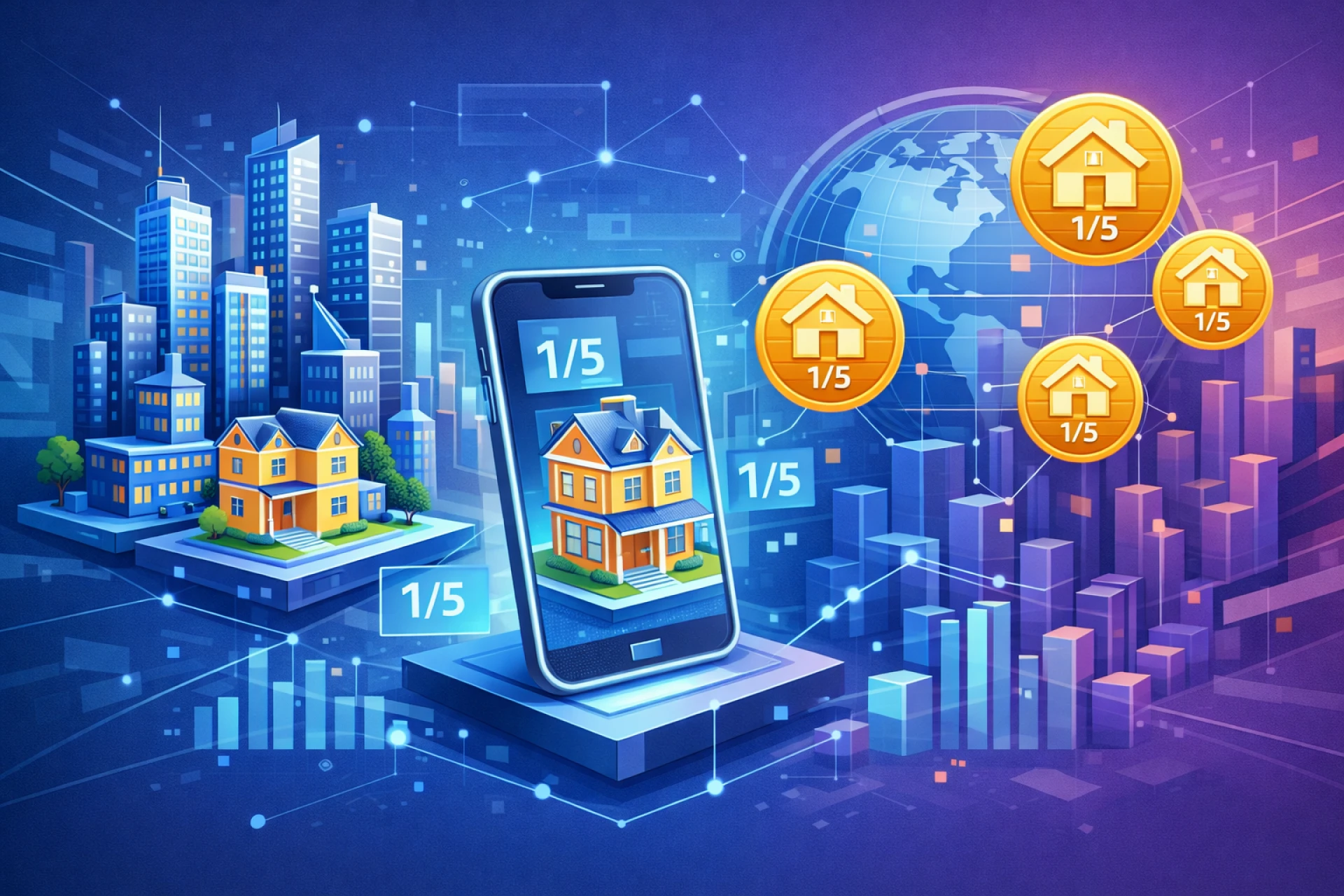
With the emergence of Real Estate Tokenization, fractional ownership is being reimagined through digital tokens that represent economic rights linked to a property. These tokens are issued and managed on a secure digital infrastructure, allowing ownership to be divided, transferred, and tracked with far greater efficiency.
A real estate tokenization platform acts as the foundation for this transformation by managing asset digitization, investor onboarding, compliance workflows, and ownership records in a unified ecosystem.
What Is a Real Estate Tokenization Platform
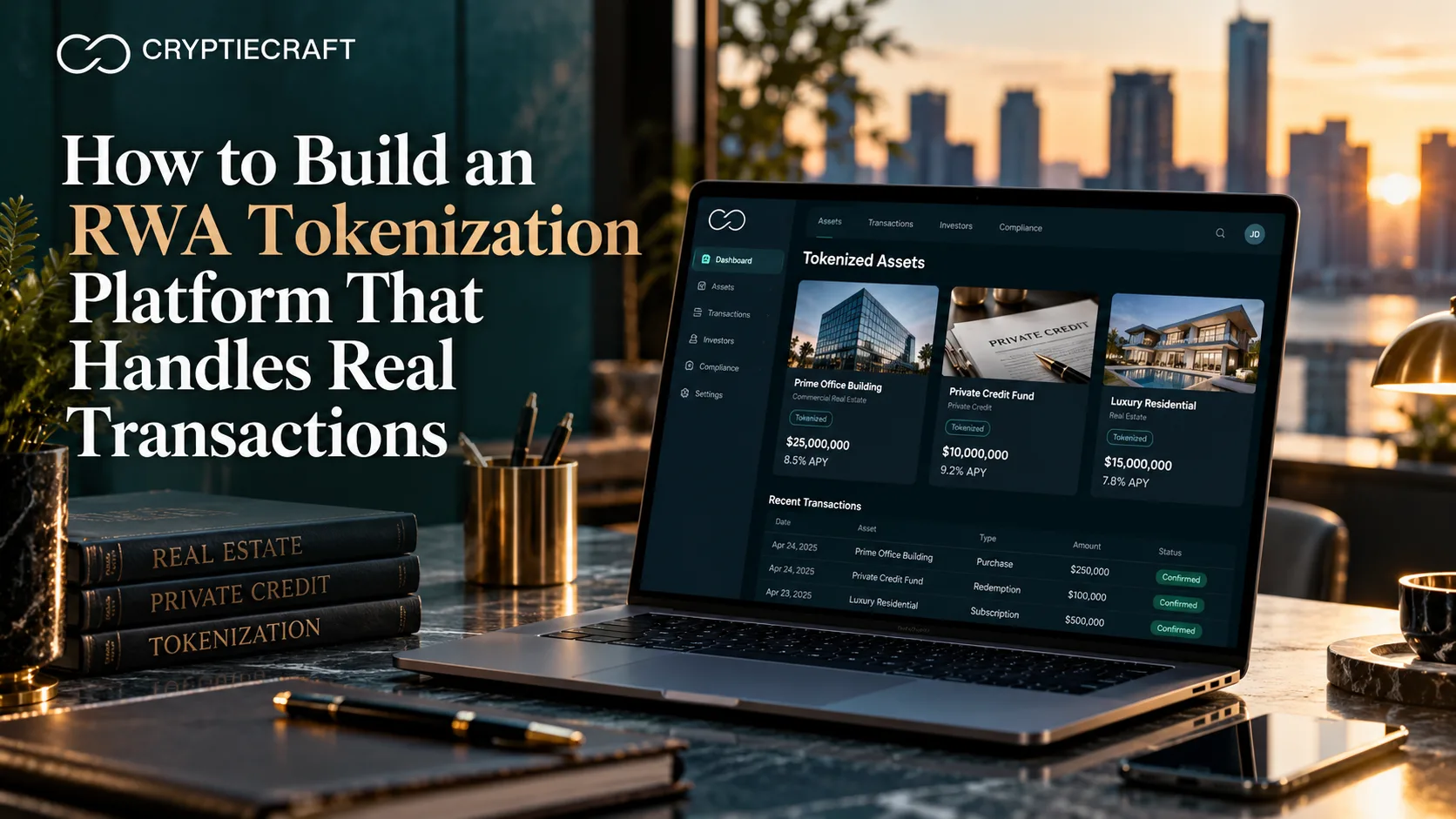
A real estate tokenization platform is a technology system designed to convert real-world property assets into digital tokens that represent fractional ownership or economic interest. Each token corresponds to a specific share of the property’s value, income, or governance rights depending on the structure.
These platforms integrate legal frameworks, financial logic, and digital asset management into a single operational layer. They are typically built by a specialized Real Estate Tokenization Development company with expertise in blockchain architecture, compliance automation, and enterprise-grade security.
Core functions of a real estate tokenization platform include:
- Asset onboarding and valuation workflows
- Token issuance and lifecycle management
- Investor verification and compliance checks
- Ownership tracking and cap table management
- Distribution of rental income or yield
- Secondary transfer mechanisms for liquidity
By bringing these elements together, Real Estate Tokenization Platform Development enables fractional real estate to operate at scale without sacrificing trust or regulatory alignment.
Why Fractional Real Estate Is Scaling Faster Than Ever
Several market forces are converging to accelerate the adoption of fractional real estate through tokenization platforms. These drivers are not speculative trends but structural shifts in how capital markets operate.
Rising Demand for Accessible Real Estate Investments
Younger investors and global retail participants are seeking exposure to real estate without committing large amounts of capital. Fractional ownership allows them to invest smaller sums while still benefiting from property-backed assets.
A real estate tokenization platform enables this accessibility by breaking down assets into standardized digital units that can be distributed to a wide investor base.
Need for Liquidity in Traditionally Illiquid Assets
Real estate has long been criticized for its illiquidity. Selling a property or exiting an investment often takes months. Through Real Estate Tokenization Services, ownership interests can be transferred more efficiently, reducing friction and improving capital mobility.
Institutional Push for Operational Efficiency
Large asset managers and developers are under pressure to reduce administrative costs and improve transparency. Real estate tokenization development introduces automation into reporting, ownership management, and income distribution.
Globalization of Property Investment
Investors are no longer limited to local markets. Tokenized real estate enables cross-border participation while maintaining structured compliance. This global reach is a key reason why Real Estate Tokenization is scaling rapidly.
How Real Estate Tokenization Platforms Enable Fractional Ownership
Fractional real estate at scale requires more than token issuance. It demands a robust infrastructure that connects legal ownership, financial logic, and digital systems. A real estate tokenization platform achieves this through several integrated layers.
Asset Structuring and Legal Mapping
Before tokenization begins, the property must be structured into a legally compliant entity. Tokens are mapped to ownership rights or economic benefits within that structure. A professional Real Estate Tokenization company ensures this mapping aligns with jurisdictional requirements.
Token Design and Supply Allocation
Tokens are created to represent fractional interests. This may include:
- Equity-based ownership tokens
- Revenue-sharing tokens tied to rental income
- Hybrid structures combining ownership and yield
The total supply reflects the asset value, ensuring transparency and consistency.
Investor Onboarding and Compliance
Real Estate Tokenization Development Services integrate investor verification processes directly into the platform. This ensures that participants meet regulatory and eligibility requirements without slowing down transactions.
Ownership Tracking and Governance
Every token transfer updates the ownership ledger in real time. Governance rights, voting mechanisms, and disclosures can be embedded into the platform, reducing disputes and improving trust.
Unlocking Scale Through Platform Architecture
Scalability is one of the defining advantages of modern real estate tokenization platforms. Unlike traditional systems that rely on manual reconciliation and fragmented data, tokenized platforms are designed for volume and growth.
Automation of Core Operations
Automation reduces the cost and complexity of managing thousands of fractional owners. Key automated processes include:
- Dividend or rental income distribution
- Reporting and audit trails
- Ownership updates after transfers
- Corporate actions such as refinancing or asset sale
This automation is a direct result of mature real estate tokenization development practices.
Modular Platform Design
Leading Real Estate Tokenization Platform Development approaches use modular architecture. This allows platforms to onboard multiple properties, asset classes, and investor types without rebuilding core systems.
Interoperability With Financial Systems
A scalable platform integrates with payment systems, custody providers, and compliance tools. This interoperability ensures that fractional real estate investments can operate within broader financial ecosystems.
The Role of a Real Estate Tokenization Company
A Real Estate Tokenization company plays a critical role in bridging the gap between traditional property markets and digital asset infrastructure. These companies do more than build technology. They design end-to-end solutions that address legal, technical, and operational challenges.
Key responsibilities include:
- Platform architecture and system design
- Smart contract development and testing
- Regulatory alignment and jurisdictional analysis
- Security audits and risk mitigation
- Ongoing platform maintenance and upgrades
Choosing the right Real Estate Tokenization Development company is essential for long-term success, especially when scaling fractional real estate offerings across markets.
Benefits of Fractional Real Estate at Scale
As real estate tokenization platforms mature, the benefits of fractional ownership become more pronounced across stakeholders.
For Investors
Fractional real estate provides:
- Lower entry barriers
- Portfolio diversification across properties and regions
- Improved transparency into asset performance
- Potential liquidity through structured transfer mechanisms
These advantages are reshaping investor expectations around real estate participation.
For Property Owners and Developers
Tokenization unlocks new capital sources and improves fundraising efficiency. Developers can reach a broader investor base without relying solely on institutional capital.
For Asset Managers
Real Estate Tokenization Services streamline fund administration and reporting. Managers gain real-time visibility into ownership structures and investor activity.
Addressing Risks and Challenges
While the benefits are significant, fractional real estate at scale requires careful risk management.
Regulatory Complexity
Different jurisdictions treat tokenized assets differently. A robust Real Estate Tokenization Platform Development strategy incorporates compliance adaptability from the start.
Technology and Security Risks
Platforms must be built with enterprise-grade security to protect investor data and asset integrity. This is why working with an experienced Real Estate Tokenization Development company is critical.
Market Education
Investors need clarity on rights, risks, and returns. Transparency and education are essential for building trust and adoption.
Use Cases Driving Adoption
Fractional real estate tokenization is already gaining traction across multiple property categories.
- Residential rental portfolios offering income-focused tokens
- Commercial properties such as office buildings and retail centers
- Hospitality assets including hotels and serviced apartments
- Mixed-use developments targeting global investors
Each use case demonstrates how real estate tokenization platforms unlock value that was previously inaccessible or inefficient.
The Future of Fractional Real Estate Platforms
Looking ahead, real estate tokenization is expected to evolve beyond simple fractional ownership. Future platforms will integrate advanced analytics, dynamic pricing models, and deeper financial interoperability.
Emerging trends include:
- Multi-asset tokenization platforms supporting diverse property types
- Integration with digital identity systems for seamless onboarding
- Enhanced secondary market infrastructure for improved liquidity
- Institutional-grade reporting and governance tools
As these capabilities mature, fractional real estate will move from niche innovation to mainstream investment infrastructure.
Why Real Estate Tokenization Is a Structural Shift, Not a Trend
The rise of real estate tokenization platforms is not driven by hype but by fundamental inefficiencies in traditional property markets. Fractional ownership at scale addresses long-standing challenges around access, liquidity, and transparency.
Real Estate Tokenization Platform Development provides the technical backbone required to support this transformation. Meanwhile, experienced Real Estate Tokenization companies ensure that platforms operate within regulatory frameworks and meet investor expectations.
As adoption grows, Real Estate Tokenization Services will become a standard component of modern property investment strategies.
Conclusion
A real estate tokenization platform is unlocking fractional real estate at scale by merging digital infrastructure with real-world assets. This shift is redefining who can invest in property, how ownership is structured, and how capital moves across markets.
Through structured real estate tokenization development, properties become programmable, accessible, and scalable investment instruments. For investors, developers, and asset managers alike, this represents a new era of real estate participation built on efficiency, transparency, and inclusivity.
As the ecosystem continues to mature, fractional real estate powered by tokenization platforms will play a central role in shaping the future of global property markets.