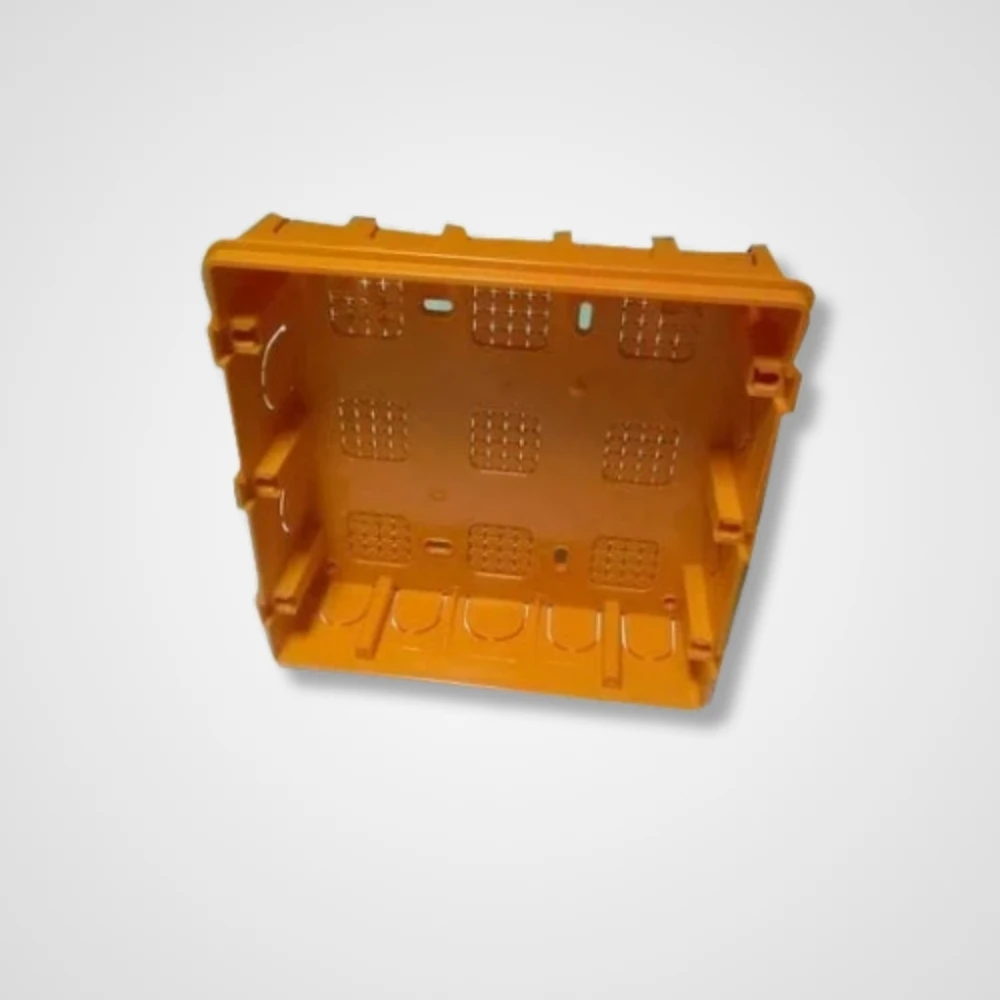
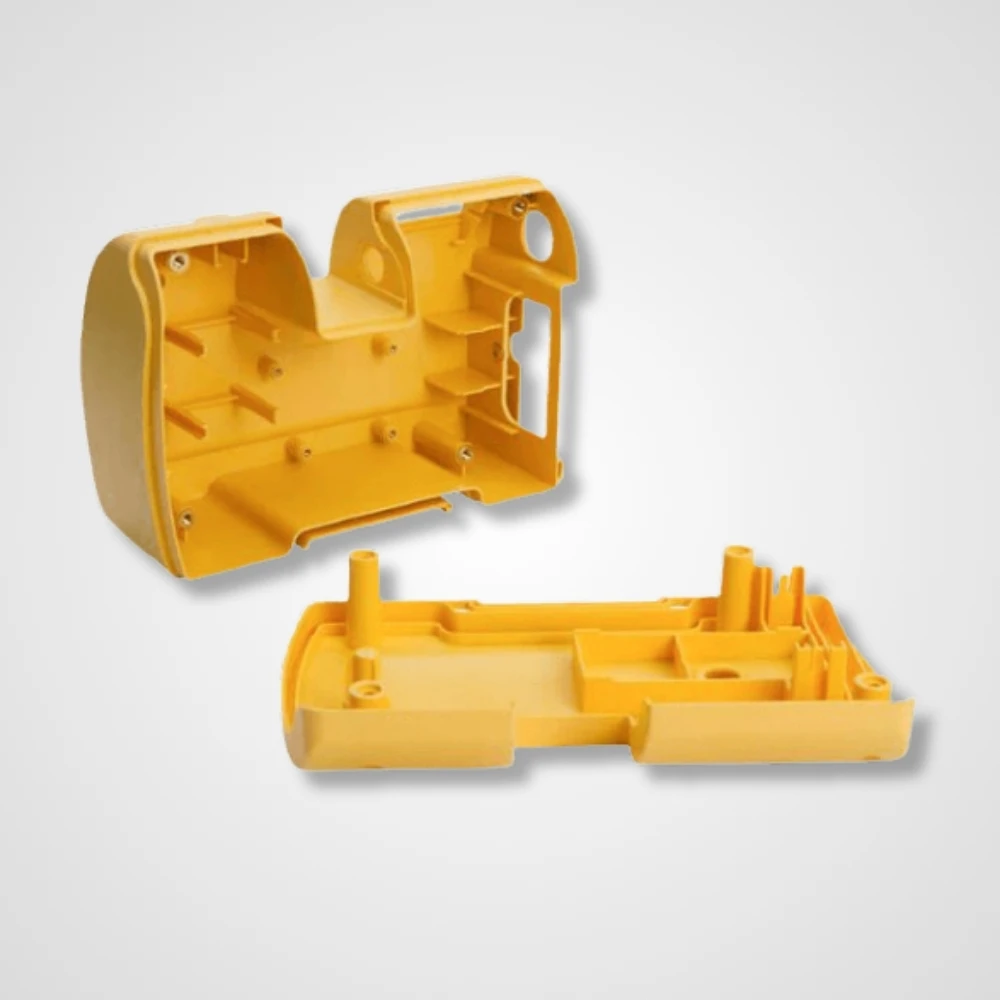
Have you ever held a well-made plastic object, such as a part for a car, a machine, or even something for the house, and wondered how it was made? There is a very experienced plastic injection molding company operating in the background to make sure that every piece of plastic has a smooth finish and a flawless shape. These companies are very important in turning basic ideas into genuine, useful items, from concept sketches to completely functional parts. Knowing how the process works will help you choose the ideal partner for your needs, whether you need custom plastic parts, industrial components, or large-scale production for your brand.
Let's go through the whole process of turning your ideas into products and learn how an expert molding company does it.
1. Understanding Your Idea: The First Step Toward Innovation
An idea is the first step in making a successful product. It could be a sketch, a CAD file, or even just a basic idea of what you want to do. When you contact a plastic injection molding company, they will first want to know your goals, how you want to use the product, how much you can spend, and how many pieces you expect to make.
This phase of the consultation usually includes:
- Talking about what you expect from the design
- Getting to know the material needs
- Finding out what needs durability and performance
- Checking any particular standards in your field, such as automotive or electrical
A good custom OEM plastic parts maker doesn't rush this step since they realize that the results depend on being clear and making a good plan.
2. Turning Concepts into Designs: CAD Models & Engineering
After the idea is apparent, designers and engineers get to work. They use CAD software to turn your idea into a 3D model with a lot of detail. This step sets the thickness, angle, curve, and function of each part.
A professional company that makes plastic parts will:
- Check the product for strength, durability, and how easy it is to make.
- Make suggestions for changes that will make things work better.
- To minimize production costs, cut down on needless complexity.
- Make sure the design can be molded without any problems.
One of the main reasons organizations choose to collaborate with established plastic component manufacturers instead of making their own molds is that they have more engineering knowledge.
3. Material Selection: Choosing the Right Plastic for the Job
The kind of plastic used in molding might make the final product good or bad. For example, a part for a car engine needs a different material than an electrical switch or a household item.
A good plastic injection molding company will help you choose the right material based on:
- Resistant to heat
- Power and flexibility
- Resistance to chemicals
- Requirements for weight
- Aesthetic choices
Common materials are ABS, nylon, polycarbonate, PP, POM, and engineering-grade composites. This step makes sure that your part works well in the actual world.
4. Mould Creation: The Tooling That Shapes Your Product
The mould is the most important part of injection moulding. The tooling team makes a metal mold, usually out of hardened steel or aluminum, once the design and materials are set.
Why is this significant?
Because the mold decides:
- The form of the item
- The accuracy of the details
- The last touch on the surface
- The cycle time is how long it takes to make a product.
Plastic parts makers with a lot of experience utilize CNC machines and EDM technologies to make molds with very precise tolerances. Even though tooling costs money up front, it makes sure that thousands or even millions of pieces are all the same.
5. The Injection Moulding Process: Where Manufacturing Meets Magic
This is where your idea really starts to come to life. The process of plastic molding includes:
1. Heating the raw plastic balls
The substance is heated until it becomes a liquid.
2. Putting the melted plastic into the mold
The plastic fills every space in the mold when it is under a lot of strain.
3. Getting cold and hard
The plastic solidifies and takes the shape of the mold as it cools.
4. Ejection and finishing
The mold opens, and a part with the right shape comes out.
Moulding is great for making a lot of things quickly and efficiently, which is why it is so good for high-volume production. It also guarantees consistent quality, which is why brands that need precise parts like it.
6. Quality Control: Making Sure Every Part Is Up to Your Standards
A reliable plastic injection molding company doesn't only make things. They have a separate group that checks and tests each part for:
- Accuracy of dimensions
- Finish on the surface.
- Strength and long life
- Resistant to heat and chemicals
- Making molds without any flaws
Companies that work in the automotive or industrial sectors have considerably tighter quality criteria. Many companies that make plastic parts for cars follow ISO standards and only sell parts that meet international safety and performance standards.
This promise of quality makes sure that your finished product works, is reliable, and is ready to be used in the real world.
7. Customization Options: Making One-of-a-Kind Designs Come to Life
One of the best things about working with a professional custom plastic parts maker is that they are flexible. Customization is always available, whether you need a certain hue, complicated shapes, parts made of more than one material, or textured finishes.
Some special services might be:
- Adding moldings
- Over-moulding
- Molds with more than one cavity
- Plastics that are clear or colored
- Plastics that are stronger for heavy-duty use
Companies that make bespoke OEM plastic parts are great at making parts that fit your unique needs.
8. Scalability: From Prototype to Mass Production
Not every concept starts huge. You only need a few prototypes to test your idea sometimes. At other times, you may need thousands of units every week.
An excellent plastic parts maker offers flexible solutions, such as:
- Molds for prototypes
- Pilot production
- Automated manufacturing on a large scale
This means that injection molding is good for both small businesses and large ones.
9. Export-Ready Manufacturing for Global Brands
A lot of modern molding companies also work with clients from other countries. An experienced OEM plastic engineering parts exporter can send products that fulfill the world's standards for mechanical, thermal, and functional performance.
Manufacturers that are friendly to exports offer:
- Standards for packaging around the world
- Following the rules around the world
- Good support for shipping and logistics
- Quality that stays the same throughout big batches
This makes them great partners for businesses that want to sell their goods and services around the world.
10. Getting the Final Product: From the Factory to Your Hands
After the parts are made, they are cleaned, packed, and ready to be sent out. Your items are sent ready to use or ready to be put together, whether they are car parts, industrial parts, or consumer product shells.
The best part?
You get the same quality products in every shipment, so you can easily add them to your production line or put together your finished product.
Conclusion: Your Vision, Their Expertise—A Perfect Partnership
It could seem hard to turn an idea into a real product, but with the appropriate plastic injection molding company, the process is easy, quick, and very gratifying. These companies handle everything with skill and accuracy, from developing the design and making the mold to choosing the materials and making a lot of them. Choosing the correct partner for sourcing industrial parts, finding automotive plastic parts manufacturers, or making custom plastic parts lets you unlock innovation with confidence.
A reliable moulding company doesn't just make parts; they also help you make your ideas real.