
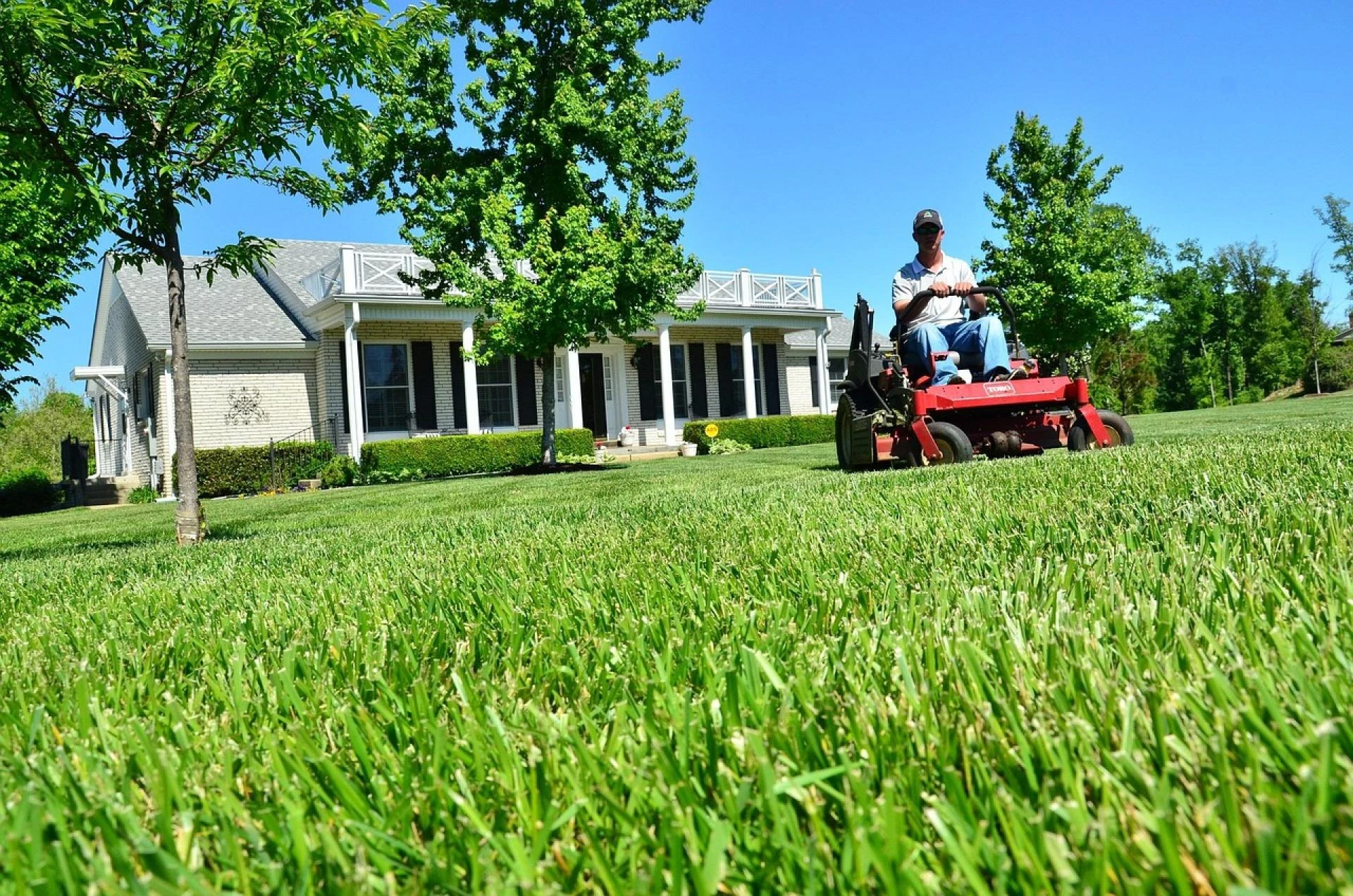
A landscaping and lawn care contractor manages seasonal lawn challenges by adjusting maintenance methods to match changing weather, soil conditions, and grass growth patterns. Each season places different demands on turf health, water use, and appearance. Structured planning helps prevent damage instead of reacting after problems appear.
This article explains how experienced providers manage seasonal lawn challenges year-round. It focuses on practical methods for protecting residential lawns, maintaining consistent growth, and supporting long-term property care. The guidance reflects field-based practices commonly applied across residential properties.
Understanding Seasonal Lawn Stress Patterns
Seasonal changes affect how grass grows, absorbs nutrients, and handles moisture. Contractors track these shifts to plan services that protect turf health year-round. Lawns that follow seasonal care cycles tend to remain more stable and easier to maintain.
Weather swings, soil temperature, and rainfall patterns guide decisions throughout the year.
Growth Cycles and Weather Shifts
Grass enters different growth phases as temperatures change. Warm seasons push rapid growth, while cooler months slow recovery.
Seasonal stress factors include:
- Rapid growth during warm months
- Heat-related moisture loss
- Slower recovery during cooler periods
Regional Climate Influence
In southern climates, long growing seasons require extended maintenance schedules. Contractors plan care to avoid burnout and soil fatigue.
Spring Lawn Preparation Strategies
Spring sets the foundation for the rest of the year. Contractors focus on soil readiness, early growth support, and cleanup after winter dormancy.
Early preparation reduces issues later in the season.
Soil Activation and Cleanup
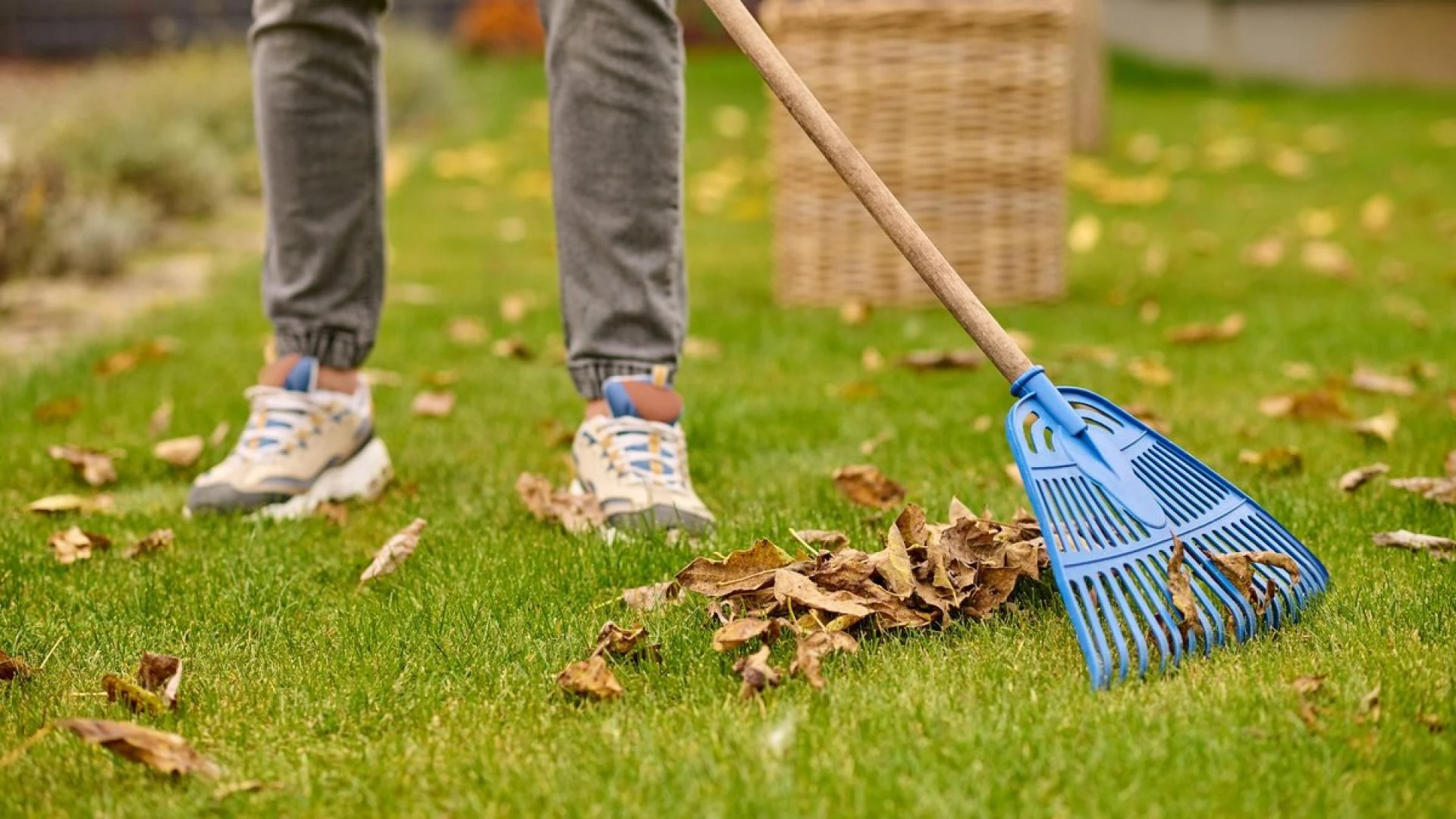
Removing debris improves airflow and light exposure. Soil preparation supports root activity as temperatures rise.
Key spring tasks include:
- Clearing compacted debris
- Checking drainage patterns
- Adjusting mowing heights
Fertilization Timing
Spring feeding supports healthy growth without overstimulating grass. Balanced application reduces stress during early heat.
Managing Summer Heat and Moisture Stress
Summer presents the most visible challenges for lawns. Heat, humidity, and frequent rainfall increase stress on turf systems.
Contractors adjust care schedules to protect the grass from damage.
Mowing Height Adjustments
Taller grass shades the soil and reduces evaporation. Cutting too short during the summer weakens root systems.
Proper summer mowing helps:
- Retain soil moisture
- Reduce heat exposure
- Limit weed intrusion
Irrigation and Drainage Balance
Overwatering creates shallow roots, while under-watering leads to browning. Irrigation Contractors monitor both irrigation and drainage.
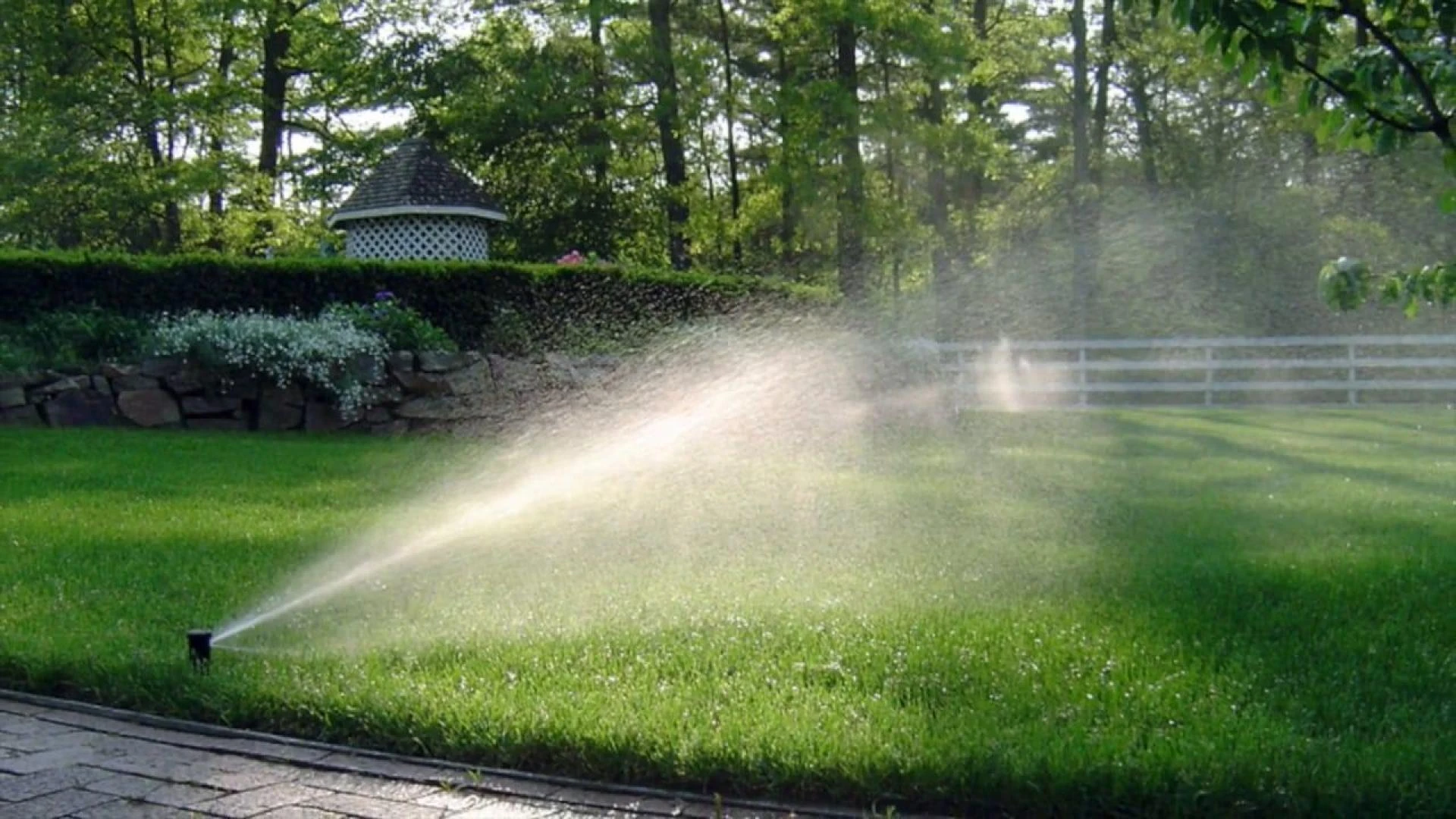
- Water early in the morning to reduce evaporation
- Avoid mowing during peak afternoon heat
Fall Recovery and Soil Strengthening
Fall allows lawns to recover from summer stress. Contractors focus on restoring balance and preparing turf for cooler months.
This period supports root growth and soil improvement.
Aeration and Soil Relief
Compacted soil restricts nutrient flow. Aeration improves oxygen access and supports deeper root systems.
Leaf and Debris Management
Leaves block sunlight and trap moisture. Regular removal prevents fungal growth and thinning.
Winter Lawn Protection Measures
Even dormant lawns need attention. Contractors aim to prevent soil damage and erosion during low-growth months.
Light maintenance helps preserve the structure for spring.
Traffic and Soil Protection
Heavy foot traffic compacts soil during wet conditions. Limiting disturbance reduces long-term damage.
Drainage Monitoring
Winter rainfall can expose drainage issues. Early corrections reduce spring repair needs.
Seasonal Lawn Care Methods Compared
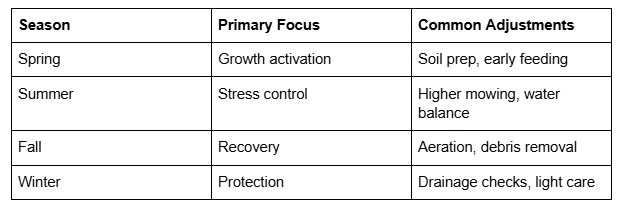
Different seasons require different approaches. The table below outlines common adjustments made throughout the year.
Things to Consider Before Making a Decision
Before selecting a lawn care provider, homeowners should review several practical factors that influence seasonal results.
Important considerations include:
- Property size and soil condition
- Drainage history and slope
- Desired appearance consistency
- Seasonal maintenance expectations
Clear evaluation helps align services with property needs.
Clear Answers to Seasonal Lawn Care Questions
Does seasonal planning prevent lawn damage?
Yes. Adjusting care based on the weather reduces stress and long-term damage.
How often should lawns be serviced during summer?
Active growth periods require more frequent visits to maintain balance.
Is fall care as important as spring care?
Fall supports root recovery and prepares turf for the next season.
Can winter neglect affect spring results?
Yes. Poor drainage or compaction during winter delays spring growth.
Do seasonal adjustments reduce repair needs?
Planned care lowers the need for major repairs later.
Why Seasonal Lawn Management Matters
Seasonal lawn management supports consistent growth, healthier soil, and improved appearance. Lawns maintained with seasonal awareness often recover faster and show fewer issues over time. Evaluating climate patterns and long-term goals helps determine the right care approach.
Helpful Next Steps for Seasonal Lawn Support
Homeowners seeking structured seasonal lawn care often consult providers such as All Seasons Landscaping & Lawn Care. Their experience with seasonal planning helps guide maintenance decisions throughout the year. Readers can contact them call (225) 276-8658 to discuss seasonal lawn care needs.
Reviewer: Sophie Williams looked over this post and brought 7 years of field experience to her suggestions, helping ensure the content stays relevant to business owners and practical for everyday use.