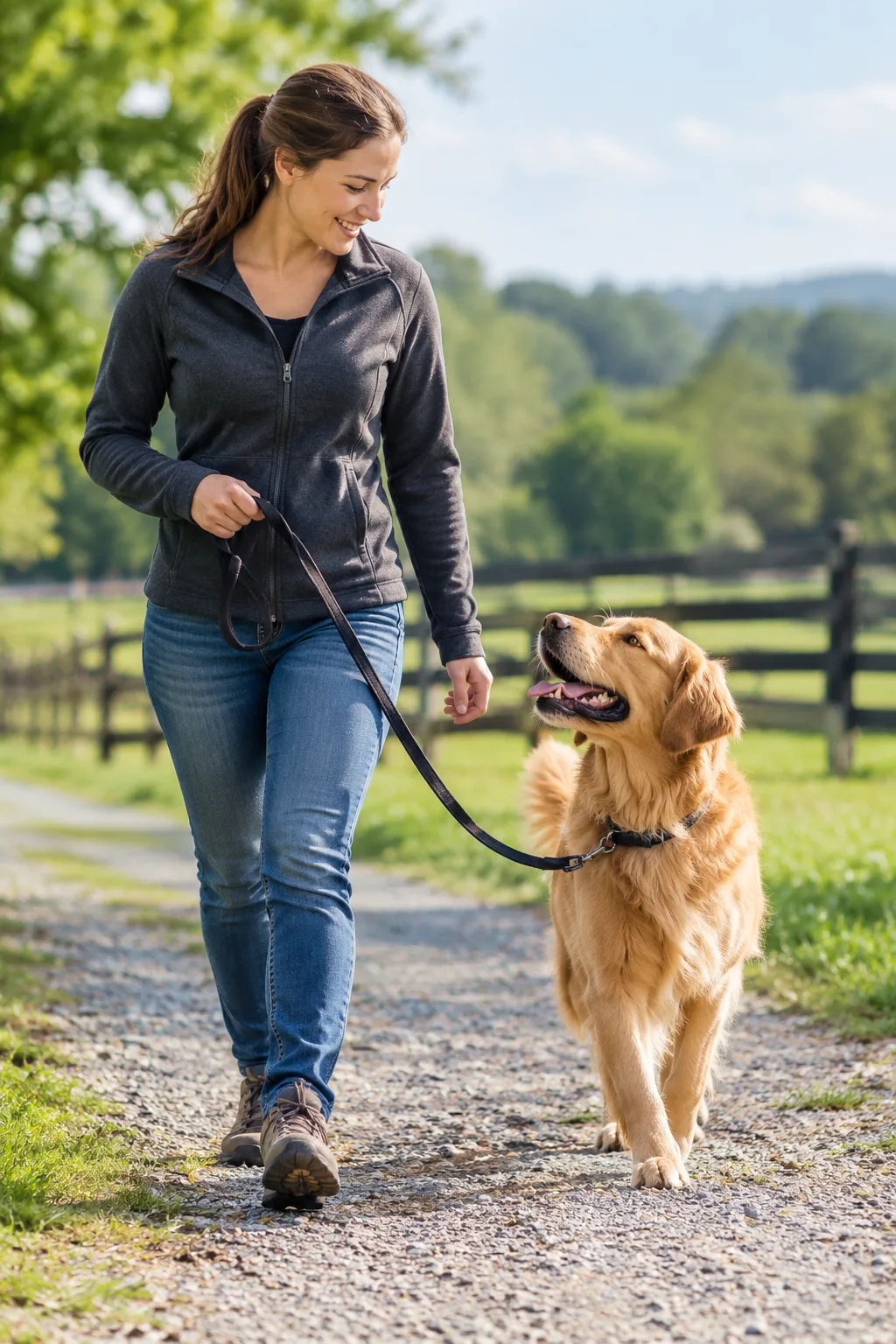
Dogs are naturally curious animals. They use their noses, ears, eyes, and body language to understand what is happening around them. A new smell, a different play area, another dog, or an unfamiliar activity can give a dog an opportunity to investigate and learn. For many dogs, these experiences can be an important part of staying mentally engaged.
However, exploration does not mean allowing a dog to roam without guidance. Safe exploration requires an environment where dogs can investigate their surroundings while trained staff monitor their behavior and interactions. This is one of the ways a well-managed Dog Daycare Service can provide value beyond basic supervision.
A quality daycare environment can give dogs opportunities to explore appropriate spaces, participate in enrichment activities, interact with compatible dogs, and experience different forms of play. At the same time, structured routines and scheduled rest can help prevent excessive stimulation.
For dog owners in Brandon, FL, understanding how supervised exploration works can make it easier to choose a daycare that supports their dog's physical, social, and mental needs.
What Is Supervised Exploration for Dogs?
Supervised exploration means allowing dogs to investigate their environment while people monitor the situation and provide appropriate guidance.
Dogs may explore by:
- Sniffing different areas
- Investigating new objects
- Walking through safe spaces
- Observing other dogs
- Participating in enrichment activities
- Exploring outdoor areas
- Trying new forms of appropriate play
The supervision component is important. Staff can observe how a dog responds to new experiences and identify signs that the dog is becoming uncomfortable, overly excited, tired, or overwhelmed.
A Dog Daycare Service can therefore create a balance between freedom and structure. Dogs have opportunities to explore, but their activities take place within an environment designed around safety and appropriate interaction.
Why Exploration Is Important for Dogs
Exploration is a natural behavior. Dogs learn about their surroundings primarily through their senses, particularly their sense of smell.
A new environment can provide information that a familiar home setting may not offer. Different scents, sounds, surfaces, and social situations can give dogs opportunities to observe and respond.
Mental engagement can also be useful for dogs that become bored when their daily routine is too repetitive.
A structured Dog Daycare Service can introduce variety without making the dog's entire day unpredictable.
For example, a dog might follow a familiar arrival and rest routine while having opportunities to explore different areas or participate in different activities during playtime.
How a Dog Daycare Service Supports Safe Exploration
Not all exploration needs to happen in a large or unfamiliar environment. Even a familiar daycare facility can offer opportunities for dogs to investigate and engage with their surroundings.
Here are several ways a Dog Daycare Service can support supervised exploration.
1. Exploring Safe Play Areas
A carefully prepared play area allows dogs to move around, investigate scents, interact with their surroundings, and participate in appropriate activities.
The space should be suitable for the dogs using it and monitored during active periods.
Staff supervision can help identify inappropriate interactions and make adjustments when needed.
This allows dogs to explore while reducing the risks associated with unsupervised activity.
2. Investigating New Scents
Dogs experience their environment heavily through scent.
Allowing dogs appropriate opportunities to sniff and investigate can provide mental engagement. A simple change in environment can give a dog many new smells to process.
During supervised activities, dogs may be able to investigate their surroundings rather than being expected to move constantly from one activity to another.
For some dogs, this type of exploration can be just as engaging as physical play.
3. Supervised Outdoor Time
Outdoor environments can provide different sights, sounds, textures, and scents.
A Dog Daycare Service that incorporates appropriate outdoor time can give dogs opportunities to explore beyond indoor play areas.
Outdoor exploration should still be supervised. Staff can monitor interactions, activity levels, and environmental conditions while ensuring dogs remain in appropriate areas.
The goal is to provide meaningful exploration rather than unrestricted activity.
4. Structured Enrichment Activities
Exploration and enrichment often work together.
Enrichment activities can encourage dogs to investigate, use their senses, and interact with their surroundings.
Examples may include:
- Scent-based activities
- Interactive games
- Appropriate toys
- Supervised discovery activities
- Problem-solving opportunities
- Novel but safe objects or environments
The exact activities should be appropriate for the dog's age, temperament, physical ability, and comfort level.
5. Compatible Social Exploration
Dogs can also explore socially.
When dogs interact with compatible playmates, they can observe body language, practice communication, and learn appropriate social boundaries.
However, group interaction should not be treated as suitable for every dog.
A responsible Dog Daycare Service should consider factors such as temperament, size, energy level, and behavior when organizing playgroups.
Supervision is especially important during group activities because staff need to recognize when interactions are positive and when a dog may need additional space or a break.
Exploration Should Be Different From Overstimulation
More activity does not always mean a better daycare experience.
Dogs can become overstimulated when they receive too much physical or social stimulation without sufficient opportunities to rest.
Signs can vary between individual dogs, but excessive excitement, difficulty settling down, avoidance, or changes in normal behavior may indicate that a dog needs a break.
This is why a structured Dog Daycare Service should balance exploration with downtime.
A healthy routine may include:
- Arrival and adjustment
- Supervised play
- Exploration or enrichment
- Social interaction
- Rest
- Additional activity
- Calm transition toward pickup
The exact schedule will depend on the facility and the needs of individual dogs.
How Staff Supervision Makes Exploration Safer
Human supervision is one of the most important parts of structured exploration.
Staff can observe:
- How dogs interact with one another
- Whether a dog is comfortable in a particular area
- Changes in energy levels
- Signs of stress or overstimulation
- Appropriate and inappropriate play
- Whether a dog needs a break
- How individual dogs respond to new activities
This observation allows staff to adjust activities when necessary.
For example, a dog that becomes uncomfortable in a busy group may benefit from additional space or a quieter activity. Another dog with high energy may be ready for more structured physical activity.
Individual observation helps make exploration more purposeful rather than simply allowing dogs to become increasingly excited.
Why Individual Temperament Matters
Every dog explores differently.
Some dogs immediately investigate new surroundings. Others prefer to observe before approaching.
A confident dog might happily investigate a new area, while a cautious dog may need more time to feel comfortable.
A good Dog Daycare Service should recognize these differences.
Confident explorers
These dogs may quickly investigate new areas and show interest in unfamiliar activities.
Cautious explorers
These dogs may need additional time to become comfortable with new surroundings.
Social explorers
These dogs may enjoy discovering new experiences through interaction with compatible dogs.
Independent explorers
These dogs may prefer individual enrichment activities or opportunities to investigate their surroundings at their own pace.
Understanding these differences helps create a more positive daycare experience.
The Role of Structured Play
Play provides another opportunity for supervised exploration.
Dogs can explore different movement patterns, interact with toys, and practice social behaviors through appropriate play.
Structured play is different from simply letting dogs run continuously.
A structured environment allows staff to monitor activity and help maintain an appropriate level of excitement.
For example, play may be followed by a rest period so dogs have time to settle before another activity.
This approach can be particularly useful for energetic dogs that enjoy being active but still need help maintaining a balanced routine.
Exploration Can Support Mental Stimulation
Physical exercise can help dogs use their bodies, while exploration can encourage them to use their senses and brains.
This is why mental stimulation should be considered when evaluating a daycare program.
A Dog Daycare Service can provide mental engagement through:
- New scents
- Different environments
- Social experiences
- Interactive activities
- Enrichment
- Problem-solving opportunities
- Supervised exploration
These experiences can make the daycare day more meaningful for dogs that enjoy discovering new things.
Supervised Exploration and Socialization
Socialization is not simply about making dogs interact with as many other dogs as possible.
Positive social experiences should be appropriate and controlled.
A dog may learn from observing another dog, walking alongside a compatible playmate, or participating in a supervised group activity.
A quality daycare environment can provide opportunities for these experiences while allowing staff to intervene when necessary.
The goal is to help dogs experience positive interactions rather than forcing them into situations they find uncomfortable.
How The Dog Patch Supports a Structured Day
At The Dog Patch in Brandon, FL, daycare is designed around supervised social interaction, enrichment, play, outdoor time, and scheduled rest.
Playgroups are organized according to factors such as size and temperament after compatibility is evaluated. This is important because supervised exploration works best when dogs are placed in environments that suit their individual behavior and social needs.
For example, a curious dog may enjoy exploring during active play and enrichment periods, while scheduled rest gives the dog an opportunity to settle before participating in another activity.
This type of structured routine allows exploration to become part of a balanced daycare experience instead of turning the entire day into nonstop stimulation.
What Dog Owners Should Look for in a Daycare
If supervised exploration is important to you, ask potential daycare providers how they manage daily activities.
Consider asking:
How are playgroups created?
Find out whether dogs are evaluated based on temperament, size, energy level, and behavior.
What enrichment activities are available?
Ask whether dogs have opportunities to use their senses and engage in activities beyond basic physical play.
Is outdoor time provided?
Outdoor areas can offer additional sights, sounds, scents, and textures for dogs to investigate.
How are dogs supervised?
Ask how staff monitor group interactions and how they respond when a dog needs a break.
Are rest periods part of the routine?
Dogs should have opportunities to relax after active periods.
How are new dogs introduced?
A thoughtful introduction process can help dogs become comfortable at their own pace.
These questions can help you determine whether a facility offers meaningful exploration or simply provides a place for dogs to spend the day.
Signs Your Dog May Enjoy Supervised Exploration
Some dogs naturally show strong curiosity.
Your dog may enjoy exploration if they:
- Spend a lot of time sniffing during walks
- Investigate new objects
- Enjoy unfamiliar environments
- Show interest in new activities
- Quickly notice changes in their surroundings
- Enjoy interactive games
- Like meeting compatible dogs
- Learn new routines quickly
- Become bored with repetitive activities
These behaviors can indicate that your dog enjoys variety and mental engagement.
However, curiosity does not automatically mean that daycare is the right choice. Your dog's overall temperament and comfort around other dogs should also be considered.
How Owners Can Encourage Exploration at Home
Supervised exploration can continue outside daycare.
Dog owners can provide safe opportunities for exploration through everyday activities.
For example, you can:
- Take your dog on different walking routes
- Allow appropriate sniffing during walks
- Introduce new toys gradually
- Practice simple training exercises
- Use scent-based games
- Provide suitable puzzle toys
- Visit dog-friendly environments when appropriate
- Introduce new experiences gradually
These activities can complement a structured daycare routine.
The goal is not to keep your dog constantly busy. Dogs also need quiet time, sleep, and predictable routines.
Why a Balanced Routine Matters
A successful daycare experience is not about maximizing the number of activities a dog completes.
Instead, the focus should be on creating a balanced day.
For an explorative dog, that may mean having opportunities to investigate, play, interact, and learn while also having enough time to rest.
A Dog Daycare Service that understands this balance can provide a more thoughtful experience for dogs and greater peace of mind for their owners.
Final Thoughts
Supervised exploration gives dogs an opportunity to investigate their surroundings while benefiting from human guidance and a structured environment. A quality Dog Daycare Service can support this process through safe play areas, outdoor time, enrichment activities, compatible social interaction, and attentive supervision.
For curious dogs, these experiences can add variety and mental engagement to their daily routine. However, exploration should always be balanced with rest and adapted to the individual dog's personality.
For dog owners in Brandon, FL, The Dog Patch offers a structured daycare environment that combines supervised interaction, enrichment, play, outdoor time, and scheduled rest. This approach can help make a dog's day active and engaging while still allowing time to relax.
The best daycare experience is not necessarily the busiest one. It is one that understands the individual dog and provides appropriate opportunities to explore, interact, learn, and rest.