A well-designed and thoughtfully maintained home plays a meaningful role in everyday comfort and overall quality of life. Home improvement is not only about appearance or property value; it is about creating an environment that supports daily routines, relaxation, and positive living habits. Small, intentional changes in living spaces can contribute to better organization, functionality, and a sense of balance.
This article explores practical home improvement ideas focused on general wellness and lifestyle enhancement. The emphasis is on creating comfortable, efficient, and adaptable spaces that support better living without relying on complex renovations or major structural changes.
The Connection Between Home and Daily Well-Being
The home environment directly influences how people feel and function each day. Lighting, layout, cleanliness, and organization all shape daily experiences. A space that feels calm and functional can help reduce daily stress and make routines more manageable.
Home improvement for better living focuses on aligning spaces with everyday needs. When a home supports daily activities naturally, it becomes easier to maintain consistency, comfort, and balance in daily life.
Creating Functional Living Spaces
Functionality is one of the most important aspects of effective home improvement. Each room should serve a clear purpose while allowing flexibility for changing needs.
Simple steps such as rearranging furniture, improving storage, or defining activity zones can make spaces more usable. Open and uncluttered layouts allow easier movement and create a sense of openness.
Functional design does not require expensive upgrades. Thoughtful placement of furniture, shelves, and storage solutions can significantly improve how a space is used on a daily basis.
Improving Lighting for Comfort and Clarity
Lighting plays a major role in how a home feels. Natural light helps create a bright and welcoming atmosphere, while well-placed artificial lighting supports evening routines and specific tasks.
Maximizing natural light through clear windows, light-colored curtains, and reflective surfaces can improve the overall ambiance of a home. For artificial lighting, layering different light sources—such as overhead, task, and accent lighting—adds depth and flexibility to each room.
Balanced lighting supports daily activities like reading, working, and relaxing, making the home more adaptable throughout the day.
Organization and Decluttering for Simplicity
An organized home promotes clarity and ease in daily life. Decluttering helps reduce visual distractions and makes spaces easier to maintain.
Practical organization methods include using storage containers, labeling shelves, and keeping frequently used items easily accessible. Regularly reviewing belongings and removing unused items helps prevent clutter from building up over time.
Organization supports smoother routines, saves time, and creates a more comfortable living environment without requiring major changes.
Enhancing Comfort Through Thoughtful Design
Comfort is a key goal of home improvement for better living. Soft furnishings, supportive seating, and appropriate temperature control all contribute to a welcoming atmosphere.
Choosing materials and textures that feel pleasant and durable adds to everyday comfort. Rugs, cushions, and curtains can improve both comfort and aesthetics while also helping define spaces.
Design choices that prioritize comfort encourage relaxation and make the home a place where people can unwind and recharge.
Supporting Daily Routines Through Layout
A well-planned layout supports smooth daily routines. The arrangement of furniture and storage should reflect how spaces are actually used.
For example, placing storage near entryways helps keep commonly used items organized, while creating designated work or activity areas helps maintain focus. Clear pathways and logical room transitions improve movement and accessibility.
When a home layout aligns with daily habits, routines become more efficient and less stressful.
Sustainable Choices for Long-Term Living
Sustainability is an important consideration in modern home improvement. Simple choices can support long-term living while reducing unnecessary waste.
Using durable materials, repairing instead of replacing, and choosing energy-efficient fixtures are practical steps toward sustainability. These choices support responsible living and contribute to a more efficient home environment.
Sustainable improvements are often cost-effective over time and align with a balanced lifestyle approach.
Personalizing Spaces Without Overcrowding
Personal touches make a house feel like a home, but balance is essential. Personalization should enhance comfort without overwhelming the space.
Artwork, plants, and meaningful décor items add character while maintaining simplicity. Rotating décor seasonally or keeping displays minimal helps preserve a clean and open feel.
A personalized yet uncluttered space supports emotional comfort and reflects individual preferences naturally.
Shared Spaces and Family Comfort
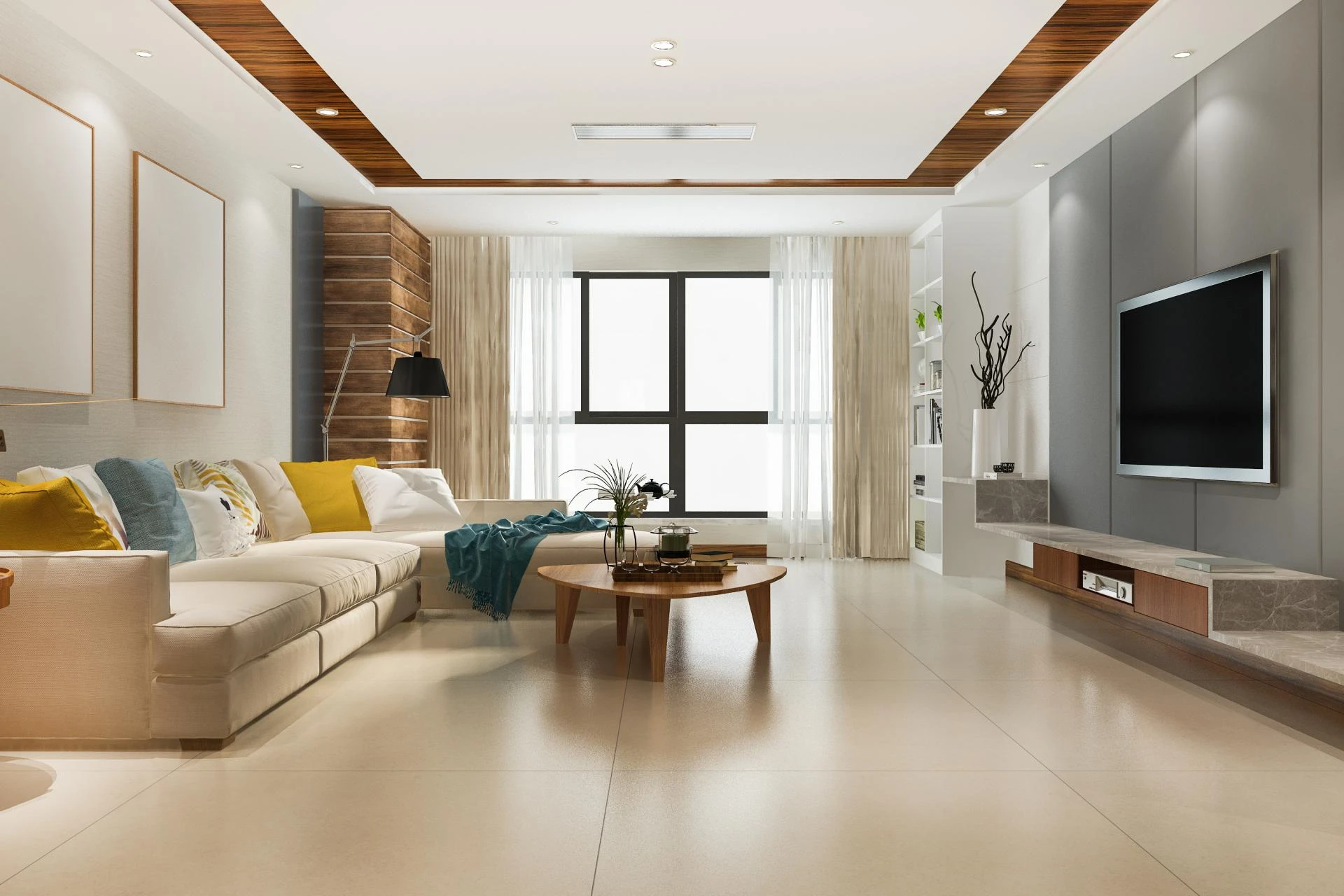
Shared spaces such as living rooms and dining areas benefit from thoughtful design that considers multiple needs. Flexible seating, durable surfaces, and adaptable layouts make these areas more welcoming.
Clear organization and defined zones help shared spaces remain functional for various activities. These considerations are often discussed in a Family Blog focused on creating harmonious home environments.
Designing shared spaces with comfort and adaptability in mind supports positive interactions and everyday ease.
Planning Gradual Improvements
Home improvement does not need to happen all at once. Gradual changes allow better planning and help maintain balance between effort and results.
Creating a simple improvement plan and prioritizing areas with the greatest impact makes the process manageable. Small updates over time often lead to lasting improvements without disruption.
A steady approach supports consistency and ensures that improvements align with real needs.
Conclusion: Building a Better Living Environment
Home improvement for better living is about creating spaces that support comfort, functionality, and daily well-being. Through thoughtful organization, balanced lighting, functional layouts, and sustainable choices, a home can become a supportive environment for everyday life.
Rather than focusing on major renovations, small and practical changes often have the greatest impact. These principles reflect the kind of guidance commonly shared in a Home Improvement Blog that values simplicity and everyday usability.
By aligning living spaces with daily routines and personal needs, home improvement becomes a meaningful step toward better living and long-term lifestyle satisfaction.