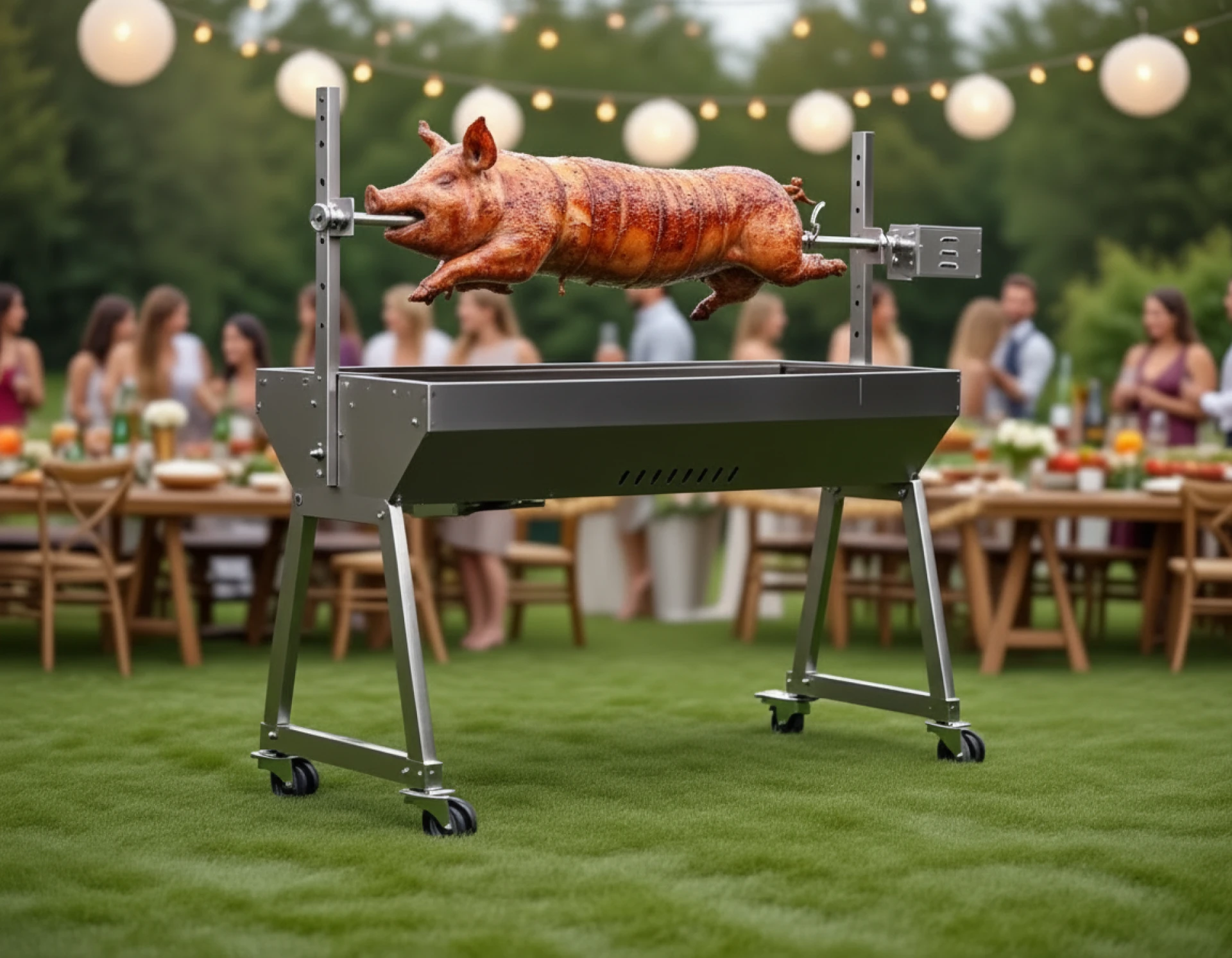
A beautifully roasted whole hog is one of the most impressive meals you can serve at any event. The golden crackling skin, the tender pull apart meat, and the rich smoky aroma create an experience that no other cooking method can match. But achieving those perfect results requires more than just lighting a fire and hoping for the best. You need to understand how your hog roast machine works, follow a clear process from start to finish, and prioritize safety at every stage.
Whether you are a first time user or someone looking to sharpen your skills, this guide gives you detailed step by step instructions and essential safety guidelines to help you roast like a professional every single time.
Why Following Proper Instructions Matters
A hog roasting machine is a powerful piece of cooking equipment. It involves open flames, extreme heat, heavy loads of meat, and mechanical moving parts. Skipping steps or ignoring safety practices can lead to undercooked meat, equipment damage, or even serious injuries.
When you follow a structured process, everything runs smoothly. The meat cooks evenly, the machine performs at its best, and everyone around the cooking area stays safe. So before you fire up your pig roasting machine, take the time to read through this entire guide carefully.
Step 1: Inspect Your Equipment Before Every Use
Every successful roast starts with a thorough equipment check. Never assume your hog roaster is ready to go just because it worked perfectly last time.
Here's what you should inspect before every cook:
- Check the frame and wheels. Make sure the structure is stable and all bolts are tight. Wobbly legs or loose wheels can cause the machine to tip during cooking.
- Examine the spit bar and clamps. Look for signs of bending, rust, or wear. A damaged spit bar can snap under the weight of a whole hog.
- Test the rotisserie motor. Turn it on and listen for unusual sounds. A grinding or struggling motor may fail during a long cook.
- Inspect the gas connections. If you use a gas powered pig roaster, check the hose, regulator, and fittings for cracks or damage. Apply soapy water to the connections and watch for bubbles that indicate a leak.
- Clean the burners. Blocked burners cause uneven heat distribution and can lead to dangerous flare ups.
Taking five to ten minutes for this inspection can save you hours of frustration and keep everyone safe.
Step 2: Choose a Safe Cooking Location
Where you place your spit roast machine matters just as much as how you use it. Picking the wrong spot can create fire hazards and make cooking difficult.
Follow these guidelines when choosing your location:
- Place the machine on a flat, level surface. Uneven ground causes the spit to rotate unevenly and puts stress on the motor.
- Keep the machine at least four to five feet away from any walls, fences, tents, or overhead structures.
- Never operate a hog roasting machine indoors or inside an enclosed space. Gas and charcoal models produce carbon monoxide, which is extremely dangerous in confined areas.
- Avoid setting up on wooden decks or dry grass. Hot grease dripping from the roast can ignite flammable surfaces.
- Make sure the area is sheltered from strong winds. Wind can cause temperature fluctuations and blow flames unpredictably.
Once you've found the perfect spot, lock the wheels or stabilize the frame so the machine stays firmly in place throughout the entire cook.
Step 3: Prepare the Hog Properly
Preparing the hog correctly is essential for both food safety and flavour. Rushing this step often leads to disappointing results.
Thawing
Always start with a fully thawed pig. A frozen or partially frozen hog will cook unevenly, leaving cold spots in the meat where harmful bacteria can survive. Thaw the hog in a refrigerator for 24 to 48 hours depending on its size. Never thaw at room temperature, as this encourages bacterial growth.
Scoring and Seasoning
Use a sharp knife to score the skin in a crosshatch pattern. These shallow cuts allow the fat to render out during cooking and help create that legendary crackling.
Season the hog generously inside and out. A simple combination of salt, black pepper, garlic, paprika, and olive oil works beautifully. You can also stuff the cavity with onions, lemons, fresh herbs, and whole garlic cloves for added depth of flavour.
Mounting on the Spit
Slide the spit bar through the centre of the hog and secure it tightly with the clamps or prongs. The pig must be balanced on the bar. If one side is heavier than the other, the motor will struggle, and the meat will cook unevenly. Take your time with this step and adjust until the hog rotates smoothly without wobbling.
Step 4: Light the Machine and Preheat
Before loading the hog onto the rotisserie hog roaster, preheat the machine for at least 15 to 20 minutes. Preheating ensures the cooking chamber reaches a consistent temperature and helps burn off any residue from previous cooks.
For Gas Models
Open the gas valve slowly and ignite the burners following the manufacturer's instructions. Start on a low to medium setting. Never lean directly over the burners when lighting them.
For Charcoal Models
Light the charcoal in a chimney starter and wait until the coals are fully ashed over before spreading them evenly inside the firebox. Never use petrol, lighter fluid, or other accelerants to start the fire. These chemicals produce toxic fumes and can cause dangerous flare ups.
Once the machine is preheated and the temperature is stable, carefully load the spit bar with the hog onto the machine. Make sure the bar is seated properly in the brackets before turning on the motor.
Step 5: Cook Low and Slow
The secret to a perfectly roasted hog is patience. Low and slow cooking allows the heat to penetrate deep into the meat, breaking down tough connective tissues and creating that melt in your mouth tenderness.
Temperature Control
Maintain a steady cooking temperature between 275°F and 325°F (135°C to 165°C). Avoid the temptation to crank up the heat to speed things up. High temperatures burn the outside while leaving the inside raw.
Cooking Time
As a general rule, allow about 1 hour of cooking time per 10 pounds of meat. A 50 pound hog will take approximately 5 hours, while an 80 pound hog may need up to 8 hours. Always use a meat thermometer to confirm doneness rather than relying on time alone.
Basting
Baste the hog every 30 to 45 minutes with a mixture of melted butter, apple cider vinegar, olive oil, or your favourite marinade. Basting keeps the meat moist and adds layers of flavour throughout the cooking process. The drip tray beneath the whole pig cooker will collect juices that you can also use for basting.
Internal Temperature
Insert a digital meat thermometer into the thickest part of the shoulder and the ham. The hog is safe to eat when the internal temperature reaches 160°F to 170°F (71°C to 77°C). Check multiple spots to make sure the entire animal has reached a safe temperature.
Step 6: Rest and Carve the Meat
Once the hog reaches the correct internal temperature, turn off the burners or remove the coals and let the meat rest for at least 20 to 30 minutes. Resting allows the juices to redistribute throughout the meat, resulting in a more flavourful and tender final product.
Use heavy duty heat resistant gloves to remove the spit bar carefully. Place the hog on a large cutting board or serving table and carve using a sharp knife. Start with the shoulders and hams, then move to the loin and ribs. Don't forget the crackling. Break it into pieces and serve it alongside the meat for your guests to enjoy.
Essential Safety Guidelines
Operating a hog roast machine comes with real responsibilities. Keep these safety guidelines in mind every time you cook:
- Never leave the machine unattended. A hog roast takes several hours, but you should always have someone monitoring the equipment, the temperature, and the surroundings.
- Keep children and pets away. Establish a clear safety zone of at least five feet around the outdoor roasting machine and make sure no one enters that area during cooking.
- Wear protective gear. Always use heat resistant gloves, long sleeves, and closed toe shoes when operating the machine.
- Have a fire extinguisher nearby. Grease fires can happen without warning. Keep a Class B fire extinguisher within arm's reach at all times. Never use water to put out a grease fire.
- Handle gas with care. Always turn off the gas supply at the bottle when you finish cooking. Store gas cylinders upright in a well ventilated area away from direct sunlight and heat sources.
- Dispose of coals safely. If you use a charcoal hog roasting unit, allow the ashes to cool completely before disposing of them in a metal container. Hot coals can remain dangerous for hours after cooking.
- Practice food safety. Keep raw meat refrigerated until you're ready to cook. Wash your hands and all utensils thoroughly before and after handling raw pork. Never place cooked meat on surfaces that held raw meat.
After the Cook: Cleaning and Storage
Once the celebration is over, take the time to clean your hog roasting equipment properly. Scrape the drip tray, wash the spit bar and clamps with warm soapy water, and wipe down the interior of the cooking chamber. Remove any grease or food residue from the burners and firebox.
Dry all parts thoroughly to prevent rust and store the machine in a dry, sheltered location. If you store it outdoors, cover it with a durable waterproof cover to protect it from rain, moisture, and UV damage.
Regular cleaning and proper storage extend the life of your pig roasting machine significantly and ensure it's always ready for your next event.
Final Thoughts
Using a hog roast machine is one of the most rewarding cooking experiences you can have. The combination of tradition, skill, and incredible flavour makes every roast a memorable occasion. But great results only come when you follow the right steps and take safety seriously.
From inspecting your equipment and choosing a safe location to mastering temperature control and practising proper food hygiene, every detail matters. Follow this guide closely, and you'll produce perfectly roasted, golden, juicy hogs that impress every single guest.