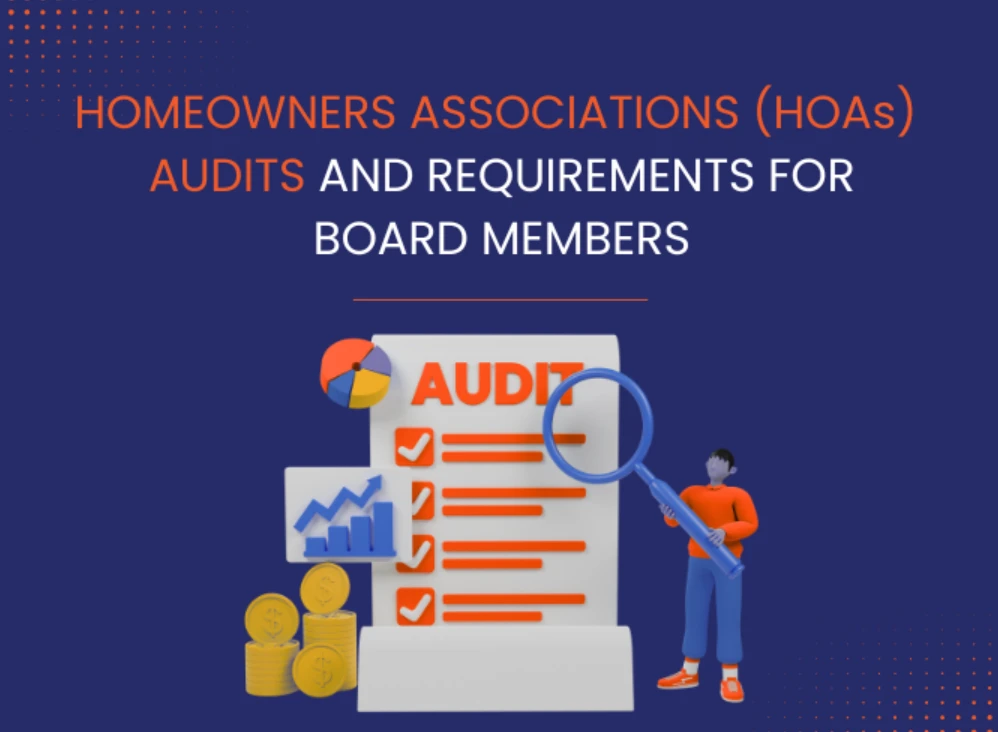
Homeowners associations (HOAs) play a critical role in managing communities, from maintaining common areas to overseeing finances and enforcing rules. One key responsibility that often gets overlooked is conducting regular audits to ensure transparency, accuracy, and compliance with financial regulations. If you’re responsible for managing or overseeing an HOA, having a clear HOA Audit Checklist is essential. A comprehensive checklist can help board members, accountants, and auditors navigate the process efficiently while maintaining the trust of homeowners.
Why an HOA Audit is Important
Audits are more than just a formality; they serve as a financial health check for your community association. By examining bank statements, accounting records, and other financial documents, audits help identify discrepancies, prevent fraud, and ensure that funds are being used responsibly. They also provide homeowners with confidence that the board is managing their fees effectively. Without a proper audit, an HOA risks financial mismanagement, legal issues, and a loss of credibility among residents.
Key Components of an HOA Audit Checklist
To make the audit process straightforward and effective, it’s important to break it down into specific steps. Below is a detailed HOA Audit Checklist that U.S. community associations can use as a guide:
1. Review of Financial Statements
The first step in any audit is reviewing your HOA’s financial statements. These typically include:
- Balance sheets
- Income statements
- Cash flow statements
- Statements of reserves
Ensure that all statements reflect accurate, up-to-date financial information. Discrepancies at this stage can indicate deeper issues that require further investigation.
2. Examination of Bank Accounts and Reconciliations
Bank statements should be reconciled with the HOA’s accounting records regularly. Your audit checklist should include:
- Reviewing bank statements for all accounts
- Verifying that deposits and withdrawals match records
- Ensuring that reserve funds are correctly allocated
- Confirming that no unusual transactions have occurred
This step helps prevent unauthorized spending and ensures that funds are being managed responsibly.
3. Review of Receivables and Delinquencies
HOAs often face challenges with unpaid dues. During an audit, it’s essential to:
- Check accounts receivable for overdue payments
- Verify that late fees and penalties are applied correctly
- Confirm that collection efforts are documented and compliant with local regulations
Tracking delinquencies accurately can significantly improve the HOA’s cash flow and reduce financial risk.
4. Assessment of Accounts Payable and Vendor Contracts
HOAs rely on vendors for maintenance, landscaping, and other services. Your audit checklist should include:
- Reviewing vendor contracts for compliance and accuracy
- Ensuring invoices match the services provided
- Checking for timely payments to avoid late fees or disputes
Proper documentation of vendor transactions protects the association from legal and financial complications.
5. Reserve Fund Review
Reserve funds are critical for long-term community maintenance projects such as roof replacements, road repairs, or pool upgrades. During the audit, make sure to:
- Verify that reserve funds are adequately funded according to your reserve study
- Confirm that withdrawals and transfers are authorized
- Ensure that investments comply with HOA policies and state regulations
A well-managed reserve fund ensures the community’s financial stability for years to come.
6. Compliance Check with Governing Documents and Regulations
HOAs must follow federal, state, and local laws, as well as their own governing documents. The audit checklist should cover:
- Reviewing bylaws and covenants to ensure financial actions align with rules
- Checking that board decisions are documented and transparent
- Ensuring compliance with tax filings and reporting requirements
This step minimizes the risk of legal disputes and demonstrates accountability to homeowners.
7. Internal Controls Evaluation
Strong internal controls prevent errors and fraud. During the audit, review:
- Segregation of duties for financial processes
- Approval protocols for expenditures
- Record-keeping practices and document retention policies
An effective internal control system gives the board confidence that funds are protected.
8. Board and Management Review
Finally, it’s essential to involve the board and management team in the audit process. Key points include:
- Interviewing board members and management about financial practices
- Confirming that meeting minutes reflect accurate financial discussions
- Verifying that any issues identified in previous audits have been resolved
Engaging the board ensures accountability and encourages proactive financial oversight.
Best Practices for a Successful HOA Audit
Beyond following a checklist, several best practices can make the audit process smoother:
- Start Early: Begin preparations well before the auditor arrives. Gather all documents, contracts, and statements to avoid delays.
- Hire a Qualified Auditor: Choose a certified public accountant (CPA) experienced with HOA finances. Their expertise can identify potential risks and suggest improvements.
- Document Everything: Keep detailed records of all financial transactions, board meetings, and decisions. Proper documentation is essential during audits.
- Communicate with Homeowners: Transparency is key. Share audit results with residents to build trust and encourage community engagement.
- Address Issues Promptly: If discrepancies or concerns arise, act quickly to resolve them. This shows homeowners that the board is proactive and responsible.
Common Challenges HOAs Face During Audits
Even with a checklist, HOAs may encounter challenges such as:
- Missing or incomplete records
- Delayed payments from homeowners
- Miscommunication between board members and management
- Inexperienced staff handling finances
Anticipating these challenges and addressing them proactively can save time and prevent stress during the audit.
Conclusion
A well-structured HOA Audit Checklist is essential for maintaining financial transparency, compliance, and trust within your community. By following a detailed audit process, HOAs can identify risks, streamline financial management, and demonstrate accountability to homeowners. Regular audits not only protect the association’s assets but also foster a sense of confidence and cooperation among residents.
Whether your HOA is large or small, investing the time to implement a comprehensive audit checklist ensures that your community remains financially healthy and well-managed for years to come. Start preparing today, and make audits a regular part of your association’s financial practices.