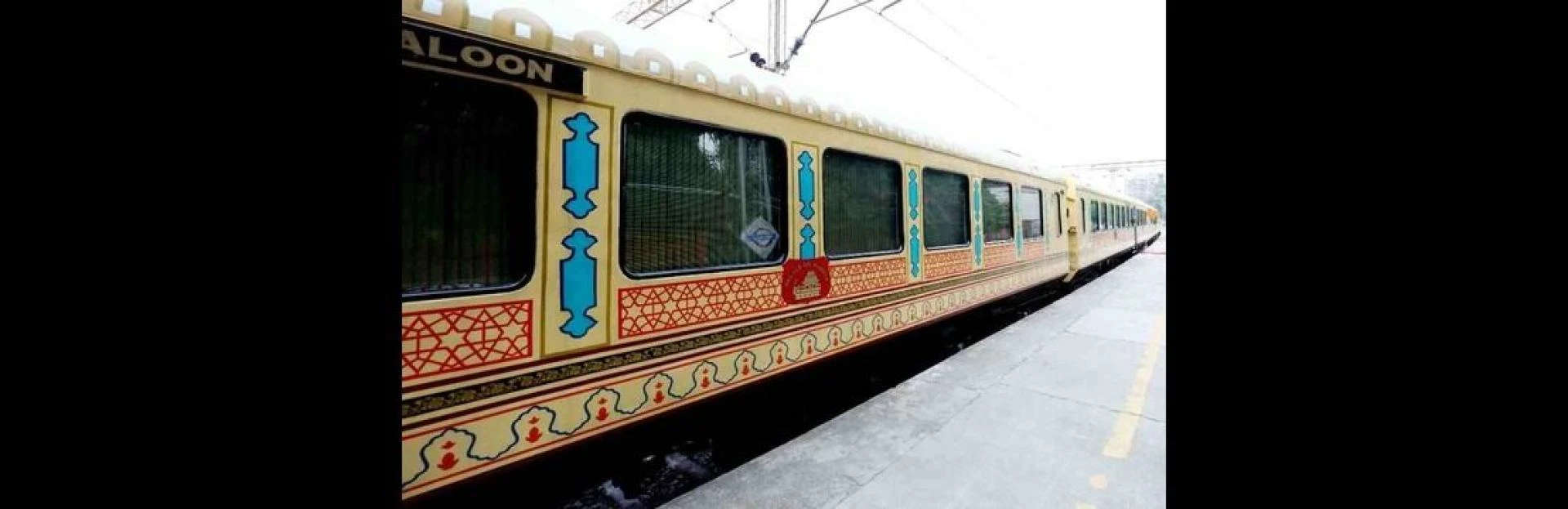
India Luxury Tours offer some of the finest heritage experiences in the world. Among them, one stands out for blending royal traditions with modern travel—the palace on wheels train. This blog walks you through the detailed history of this iconic train. It’s not just a mode of transport; it’s a moving legacy of India’s regal past.
Understanding where it began helps you appreciate what makes it so special today.
Royal Coaches: The Original Inspiration
Before trains became symbols of comfort, Indian royalty had their own versions of rail travel. Maharajas of princely states had private coaches made for personal use. These coaches were customized with lavish interiors, traditional designs, and private cabins. They reflected the lifestyle of the rulers.
Rajasthan, Hyderabad, and Baroda were among the key states where royal rail coaches were common. These carriages were not open to the public. They were stored after independence in 1947 and stayed unused for years.
Later, these old coaches inspired the creation of a train that would revive royal travel. That idea laid the groundwork for the palace on wheels project.
The Birth of the Palace on Wheels Train in 1982
The idea of turning old royal coaches into a luxury tourist train was proposed in the late 1970s. In 1982, Indian Railways and Rajasthan Tourism Development Corporation (RTDC) launched the palace on wheels train.
This was a major step in promoting luxury tourism across the country. The train was introduced to attract high-end travelers who wanted to explore Rajasthan with comfort and class.
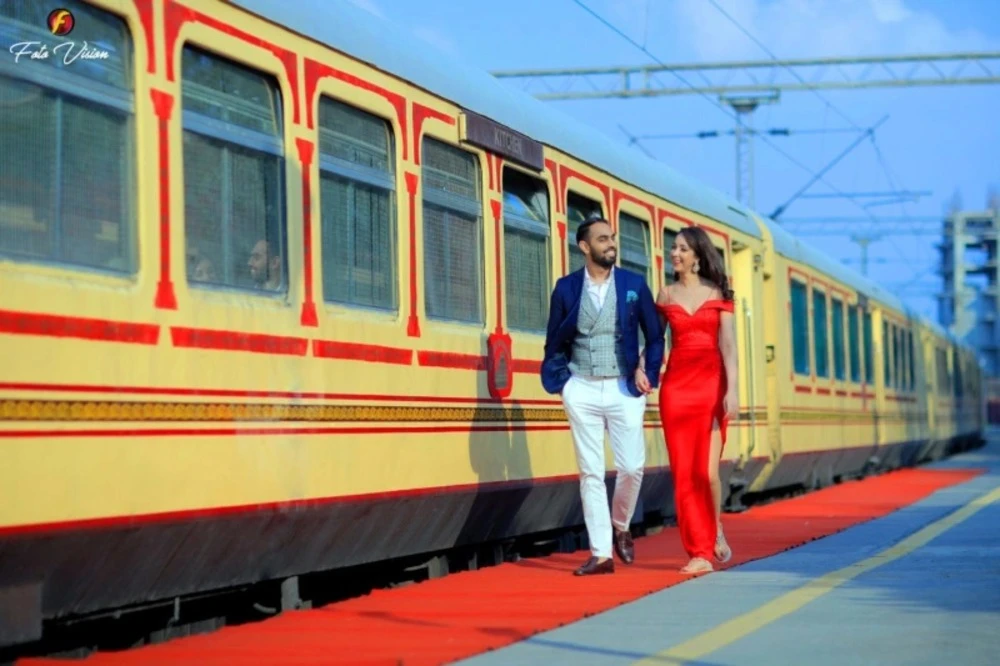
The original palace on wheels included refurbished royal coaches. Each one was connected to a princely state, and the décor reflected that. It had modern amenities, but the theme remained traditional.
This unique blend of history and luxury made it an instant success.
Upgrades and Temporary Shutdown
In the 1990s, the train underwent several changes. The old coaches, although beautiful, had limitations. The need for better infrastructure, upgraded safety features, and international-level comfort grew stronger.
Eventually, the old heritage coaches were retired. The palace on wheels train was temporarily halted to allow time for upgrades. Indian Railways built new coaches with modern technology while keeping the royal theme alive.
This change allowed the train to meet global standards. It helped attract international tourists, who expected comfort, privacy, and seamless services.
By the early 2000s, the upgraded version was back on track, better than before.
Redesigning Interiors: Tradition with Modern Touch
While the train’s core idea remained rooted in history, the interiors saw a full makeover. Designers took inspiration from forts, palaces, and regional art.
Every cabin was given a unique style. Carvings, mirror work, local paintings, and embroidered fabrics added a sense of tradition. At the same time, modern facilities like air conditioning, Wi-Fi, and en-suite bathrooms were added.
The balance of aesthetics and function was handled carefully. Travelers got a taste of royal India without giving up their comforts.
This made the palace on wheels not just a nostalgic experience, but also a convenient one.
Government Support and Tourism Growth
From the start, the palace on wheels train had strong backing from Indian Railways and RTDC. These bodies promoted it at travel fairs, tourism expos, and through international media.
Their aim was clear: to position the train as the face of India Luxury Tours.
This support helped the train reach global markets. Tourism campaigns highlighted Rajasthan’s forts, palaces, and colorful cities—all accessible through a luxury train.
In return, the train brought high-value tourists to Indian destinations. This model helped smaller cities get noticed and boosted the local economy.
Routes and Historical Significance
Originally, the palace on wheels train focused only on Rajasthan. Key cities like Jaipur, Udaipur, Jodhpur, and Jaisalmer were part of the journey. These cities had strong royal roots, making them perfect for the theme.
Later, routes were expanded to include Delhi, Agra, and Varanasi. This gave travelers a wider view of India’s cultural history.
Each stop was carefully planned. Palaces, forts, and old towns were selected to match the train’s legacy. The idea was not just sightseeing—but storytelling through travel.
The Role of the Palace on Wheels in Shaping Luxury Rail Travel
The success of the palace on wheels opened doors for more luxury trains in India. The model proved that tourists were ready to pay for premium heritage travel.
Soon after, other trains followed. The Deccan Odyssey and Maharaja Express adopted similar concepts. They offered different routes but were built on the same principle—royalty on rails.
Still, the palace on wheels train kept its charm. Being the first of its kind gave it a special place in history.
International Recognition and Awards
Over the years, the palace on wheels train received several global awards. It was featured in luxury travel magazines and documentaries. Travel writers praised its attention to detail, quality service, and cultural value.
The train has been ranked among the top luxury trains in the world multiple times. It has also been honored for promoting India’s heritage in an authentic and accessible way.
These recognitions added to its credibility and helped draw more travelers from across the globe.
Service Excellence and Onboard Experience
Service is one of the key reasons travelers choose the palace on wheels. Staff members are trained in hospitality and are available throughout the journey.
From greeting guests to serving multi-course meals, the crew ensures comfort at every step. Local guides, cultural shows, and curated excursions make the experience more engaging.
Food plays an important role too. Guests are served Indian and international cuisines in onboard restaurants. Every dish reflects care and attention to detail.
The combination of historical themes and service quality gives passengers a smooth and memorable trip.
Impact on Heritage Preservation
Beyond tourism, the train has helped preserve India’s royal legacy. The attention to detail in design and décor has kept traditional crafts alive.
Artisans who once worked on palace interiors now find work restoring and decorating train cabins. Textile workers, painters, and wood carvers benefit from this continued demand.
In this way, the palace on wheels train supports cultural continuity and provides livelihood to skilled artists.
A Living Chapter of Indian Rail History
The palace on wheels is more than a travel product. It represents a period when Indian royalty shaped the culture, architecture, and lifestyle of the country.
Today, that story continues on rails. The train becomes a bridge between the past and the present. It lets travelers live a part of India’s royal history without stepping into a museum.
Its cabins, dining rooms, and lounge cars are not just spaces—they are living parts of India’s legacy.
Final Thoughts
The palace on wheels train tells a story that few other travel experiences can match. It began as a set of forgotten royal coaches and grew into one of the finest examples of India Luxury Tours.