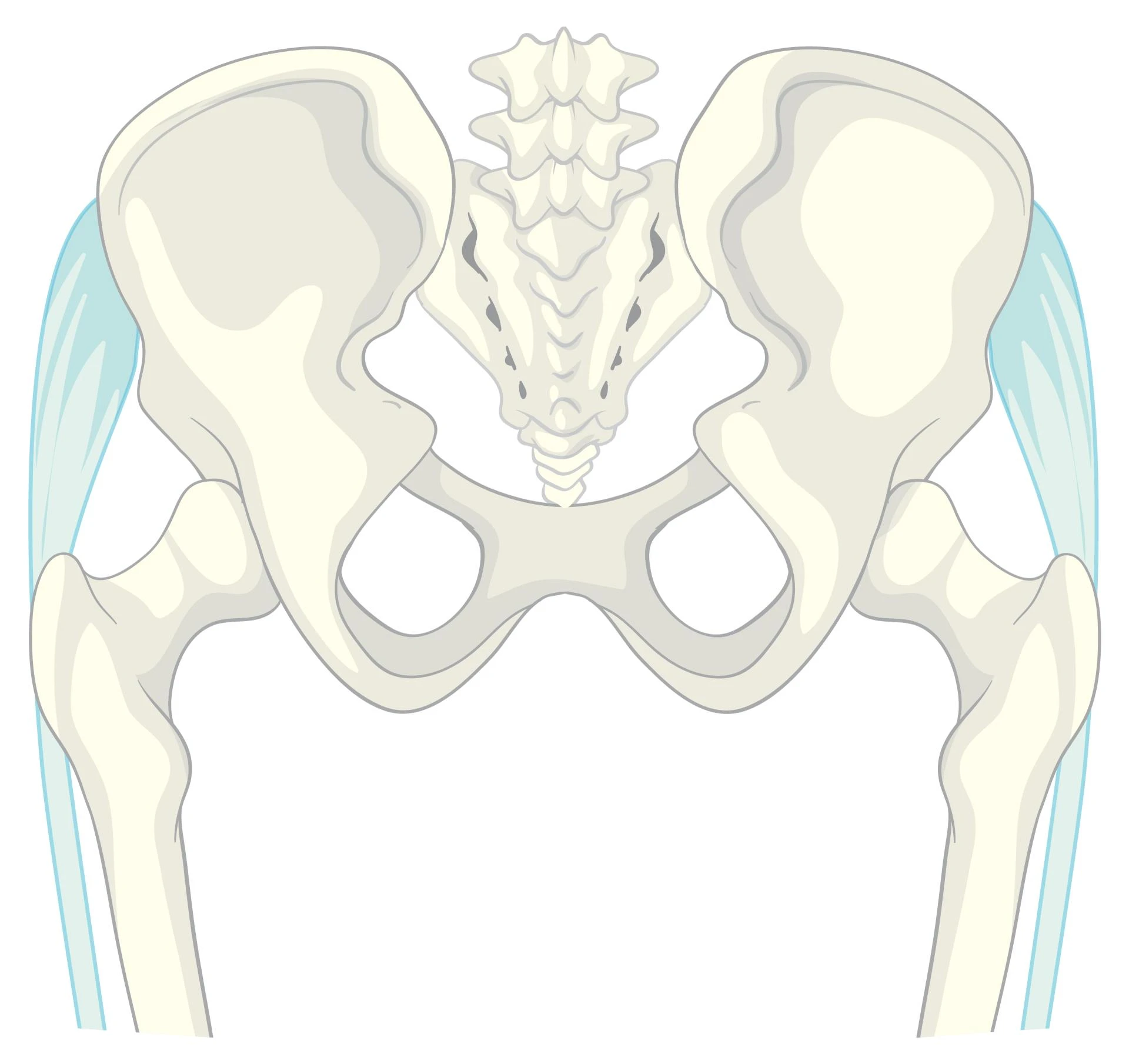
Hip pain can severely limit mobility, independence, and overall quality of life. When medications, physiotherapy, and lifestyle changes no longer provide relief, hip replacement surgery becomes a reliable solution. While many people focus only on pain relief, it’s equally important to understand the benefits, success rate, safety, recovery, costs, and possible complications before making a decision.
This comprehensive guide explains what is hip replacement surgery, its advantages, risks, long-term outcomes, and why choosing the Best Hospital for Hip Replacement Surgery and understanding Hip Replacement Surgery Cost in India are crucial for successful results.
What Is Hip Replacement Surgery?
What is hip replacement surgery?
It is a surgical procedure in which a damaged or worn-out hip joint is replaced with an artificial implant. The procedure restores smooth joint movement by replacing damaged cartilage and bone with prosthetic components.
Hip replacement surgery is commonly recommended for:
- Osteoarthritis
- Rheumatoid arthritis
- Hip fractures
- Avascular necrosis
- Severe joint deformities
Advances in implant materials and surgical techniques have significantly improved outcomes.
Types of Hip Replacement Surgery
Understanding the types of hip replacement helps patients choose the most suitable option.
Common Types
- Total Hip Replacement: Entire joint replaced; most common and durable
- Partial Hip Replacement: Only the femoral head replaced, often after fractures
- Cemented Hip Replacement: Implant fixed using bone cement
- Uncemented Hip Replacement: Implant allows natural bone growth
Each type influences recovery, longevity, and overall results.
Benefits of Hip Replacement Surgery
The benefits extend beyond pain relief.
Key Benefits
- Significant reduction in chronic hip pain
- Improved walking and joint movement
- Better posture and balance
- Enhanced sleep quality
- Increased independence
These benefits explain the consistently high hip replacement success rate worldwide.
Hip Replacement Surgery Success Rate
The hip replacement surgery success rate is among the highest in orthopedic procedures.
Success Rate Highlights
- 90–95% of patients report long-term pain relief
- Most implants last 15–20 years or longer
- Improved quality of life for the majority of patients
The hip replacement success rate depends on implant quality, surgical precision, patient health, and post-surgery rehabilitation.
Is Hip Replacement Surgery Safe?
A common concern is: is hip replacement surgery safe?
Yes, it is considered highly safe when performed at the best hospital for hip replacement surgery by experienced orthopedic surgeons. Advanced imaging, sterile operating environments, and enhanced recovery protocols have minimized risks significantly.
Potential Complications of Hip Replacement Surgery
While outcomes are excellent, no surgery is completely risk-free.
Early Complications
- Infection
- Blood clots
- Temporary nerve irritation
- Pain and swelling
Late Complications
- Implant loosening
- Joint dislocation
- Wear of artificial components
- Leg length difference
Most complications are rare and manageable with timely treatment.
Hip Replacement Surgery Time and Hospital Stay
The hip replacement surgery time is usually 1 to 2 hours.
Hospital Stay
- Typically 3–5 days
- Some patients may be discharged earlier with home physiotherapy
Modern techniques reduce recovery time and hospital stay.
Hip Replacement Surgery Recovery Time
Hip replacement surgery recovery time varies from patient to patient.
Recovery Phases
- First week: Assisted walking begins
- 4–6 weeks: Improved mobility and strength
- 3–6 months: Near-normal daily activity
Consistent rehabilitation ensures better long-term outcomes.
Importance of Hip Replacement Exercises
Hip replacement exercises play a crucial role in recovery.
Why Exercises Matter
- Strengthen surrounding muscles
- Improve flexibility
- Reduce stiffness
- Support implant longevity
Skipping exercises can negatively impact the final outcome.
Hip Replacement Surgery Cost in India
Hip Replacement Surgery Cost in India is significantly lower compared to many countries, while maintaining high medical standards.
Cost Influencing Factors
- Implant type and material
- Hospital infrastructure
- Surgeon expertise
- City and location
Overall, the hip replacement surgery cost remains affordable for patients seeking quality care.
Best Hospital for Hip Replacement Surgery in India
Choosing the best hospital for hip replacement surgery in India is critical for safety and long-term success.
What to Look For
- Experienced orthopedic surgeons
- Advanced surgical technology
- Dedicated rehabilitation teams
- Proven patient success rates
The right hospital improves outcomes and minimizes complications.
Long-Term Life After Hip Replacement Surgery
Most patients return to an active lifestyle after surgery.
Long-Term Benefits
- Pain-free movement
- Improved joint stability
- Ability to perform daily activities comfortably
Following medical advice and maintaining a healthy lifestyle ensures long-lasting results.
Final Thoughts
Hip replacement surgery offers life-changing benefits when conservative treatments fail. Understanding the benefits, hip replacement surgery success rate, recovery expectations, and potential complications helps patients make informed decisions.
By choosing the Best Hospital for Hip Replacement Surgery and being aware of Hip Replacement Surgery Cost in India, patients can achieve safe surgery, smooth recovery, and excellent long-term results.